 LOH OutfittersSouthern New Mexico
LOH OutfittersSouthern New Mexico
LOH OutfittersSouthern New Mexico
Hunters spend a great deal of time choosing a rifle and very little time setting one up. It shows in the field, every single season.
We watch a lot of shots taken. The ones that go badly are almost never caused by the rifle being insufficient for the animal. Modern cartridges in common hunting calibers are entirely adequate for elk and everything else in this state. The shots that go badly are caused by a scope mounted at the wrong height, a trigger the hunter never got used to, a sling that catches at the worst moment, ammunition that was never properly confirmed, a zero that shifted in transit, or a shooter who has only ever fired from a bench with sandbags.
Cartridge choice is the part everyone argues about online. It is also, by a wide margin, the part that matters least.
If the rifle does not fit you, nothing downstream works properly. Length of pull, comb height and scope height together determine whether your eye lands behind the scope naturally when you mount the rifle quickly, from an awkward position, on uneven ground, wearing more clothing than you practiced in.
Test it honestly. Close your eyes, shoulder the rifle from a field position, then open your eyes. If you have to hunt for the reticle, or lift your head, or crush your cheek down to find the image, the setup is costing you time and consistency at exactly the moment you have neither to spare.
Scope height is the most common culprit. Rings that are too high look fine on a bench, where you can build any head position you like, and become a real problem shooting prone off a pack on a slope.
Fixing fit is usually cheap. It is a set of rings, a comb riser, or a stock spacer. It is not glamorous and it is worth more than any optic upgrade.
Different loads shoot differently out of the same rifle, sometimes dramatically so. Once you find one your rifle genuinely likes, buy enough of that exact load, ideally from the same lot, to practice with all summer and hunt with in the fall. Then stop experimenting.
We ask hunters to arrive sighted in and to bring the same ammunition they practiced with. It sounds obvious written down. It is regularly the thing that goes wrong, usually because someone could not find their usual load before the trip and grabbed something else at the last minute.
Our hunt terms page covers what we ask of hunters before arrival, including sighting in from zero to three hundred yards with practice out to five hundred, and hunting with the same weapon and ammunition you practiced with.
Almost nobody shoots an animal off a bench. Most shots in New Mexico come off a pack, off sticks or a tripod, sitting, or prone on ground that is not remotely flat.
If every round you have fired this year was from a bench with front and rear bags, you have trained thoroughly for a situation that will not occur. Worse, you have built false confidence, because bench groups tell you what your rifle can do and nothing at all about what you can do.
Spend your practice sessions building and shooting from field positions instead. Learn how long it takes you to get stable from each one, and learn what your honest maximum range is from each. That number, not the rifle's ballistic capability, is what you should hunt to.
Not sure what distances and positions your hunt is likely to involve? Ask us before you plan your practice. It varies enormously between species and country, and there is no point drilling four hundred yard prone shots for a hunt that will most likely offer you a two hundred yard shot from a kneel in thick cover.
A handful of small things cause a disproportionate share of the problems we see:
None of these are dramatic. All of them are entirely avoidable in July, and all of them are unfixable in the ninety seconds you get in the field.
The same logic applies with different specifics. Muzzleloader hunters need to settle a load and shoot it enough to know their trajectory honestly, which is a shorter and steeper curve than most people expect. Archers need to shoot with broadheads rather than only field points, at realistic ranges, in the clothing they will actually wear, and to practice the cold first shot rather than judging themselves on their twentieth arrow of a session.
In every case the principle is identical: the setup you have rehearsed most is the setup that will perform.
The rifle you already own, set up properly and shot regularly from field positions, will comprehensively out-perform a better rifle you bought in August and have fired twenty times off a bench.
Confidence is the actual goal here. When an opportunity finally comes after four days of hard hunting, you want no part of your attention on your equipment. You do not want to be wondering whether your zero held, or hunting for the reticle, or thinking about the trigger. You want to be thinking about the animal, the wind, and the shot.
That state of mind is built in the off-season, deliberately, and it is available to anyone willing to do fairly boring work in the months beforehand.
Ready to plan your hunt? Book with LOH Outfitters or call (575) 315-6107.
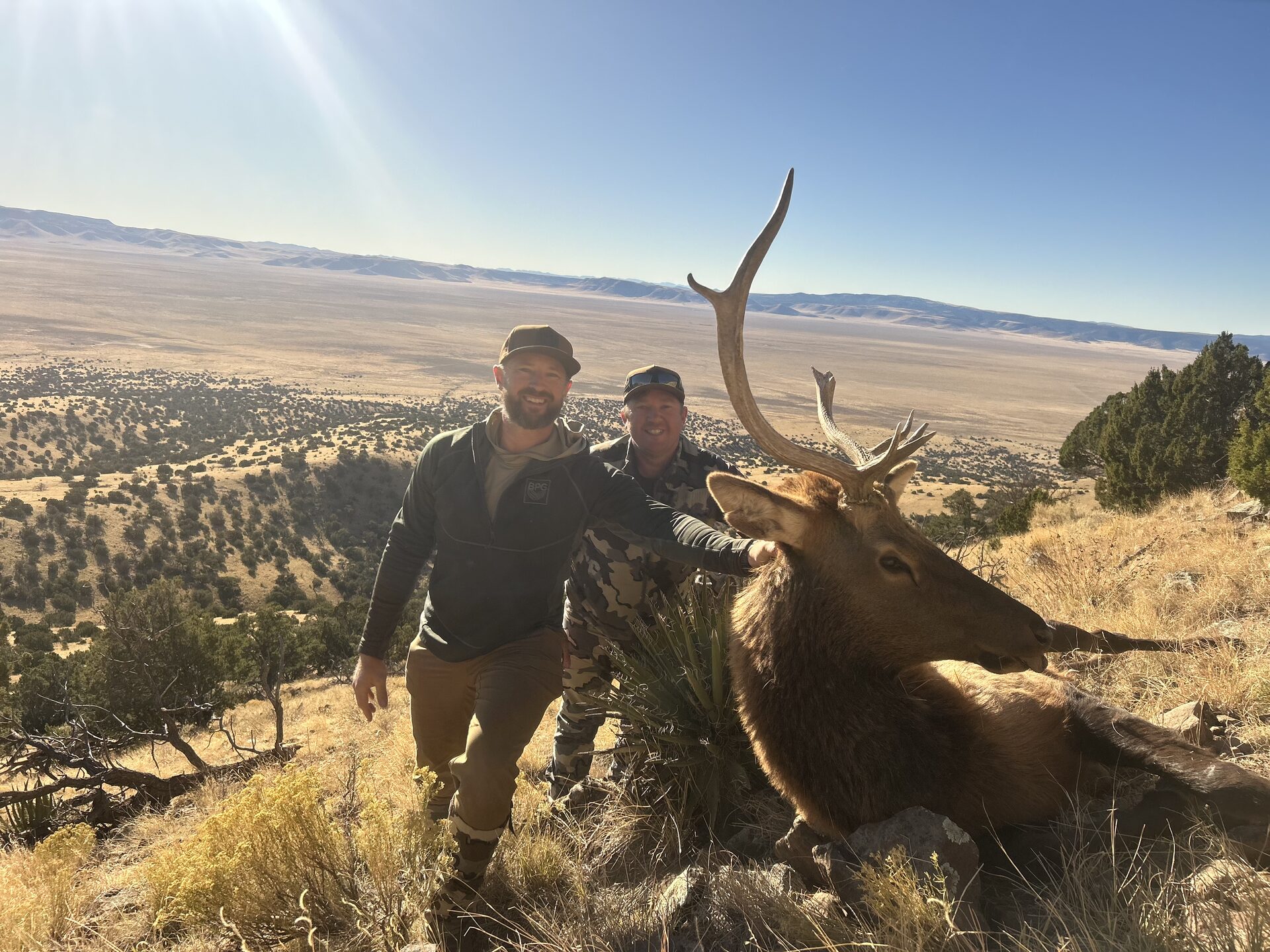
Every draw hunt code splits 84 percent to residents, 10 percent to the outfitter pool and 6 percent to unguided nonresidents. On a small hunt, that math matters.
Read More →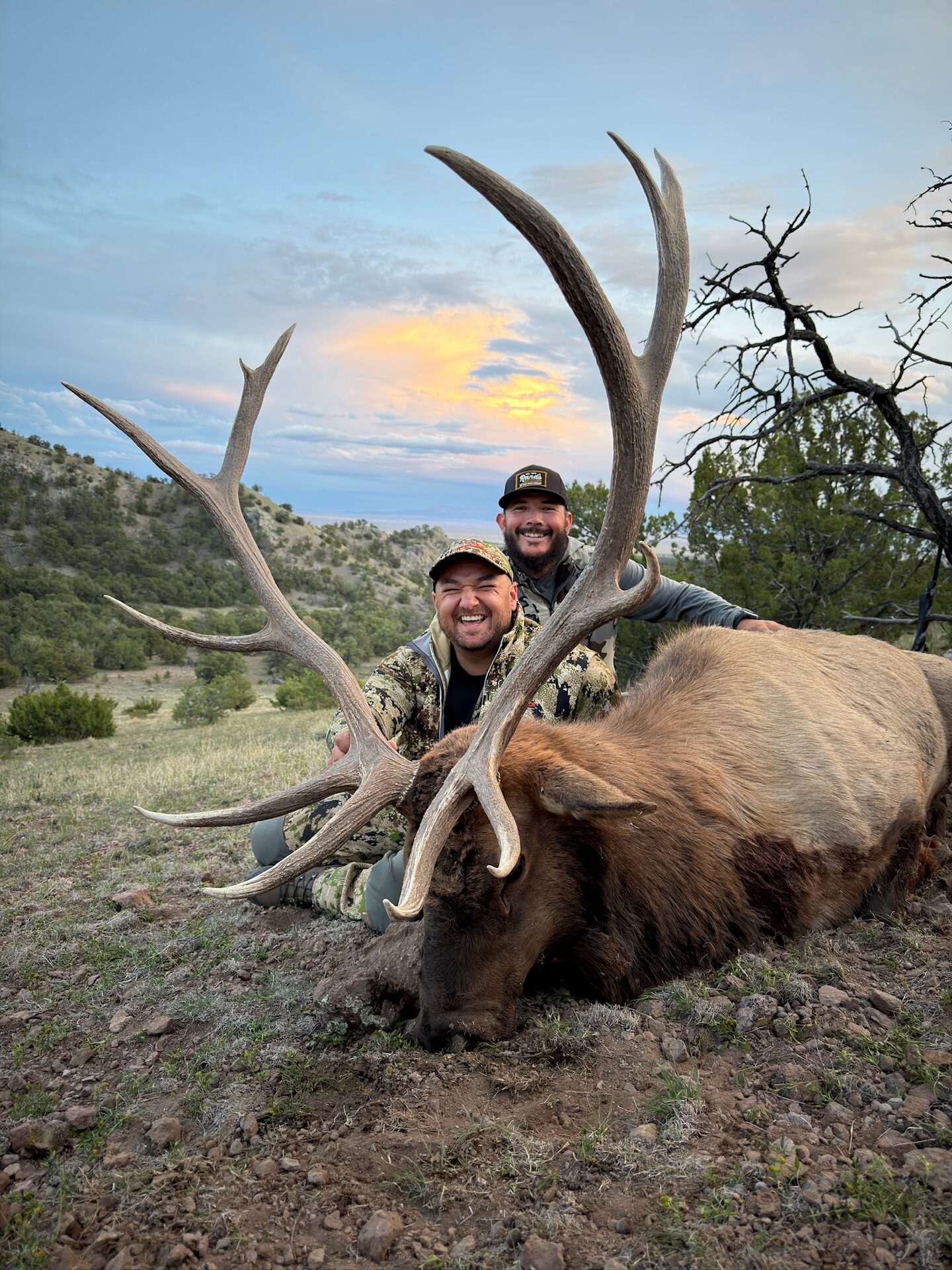
Shooting hours run to a half hour after sunset. That final stretch is some of the most productive time of the day, and most hunters are already walking out.
Read More →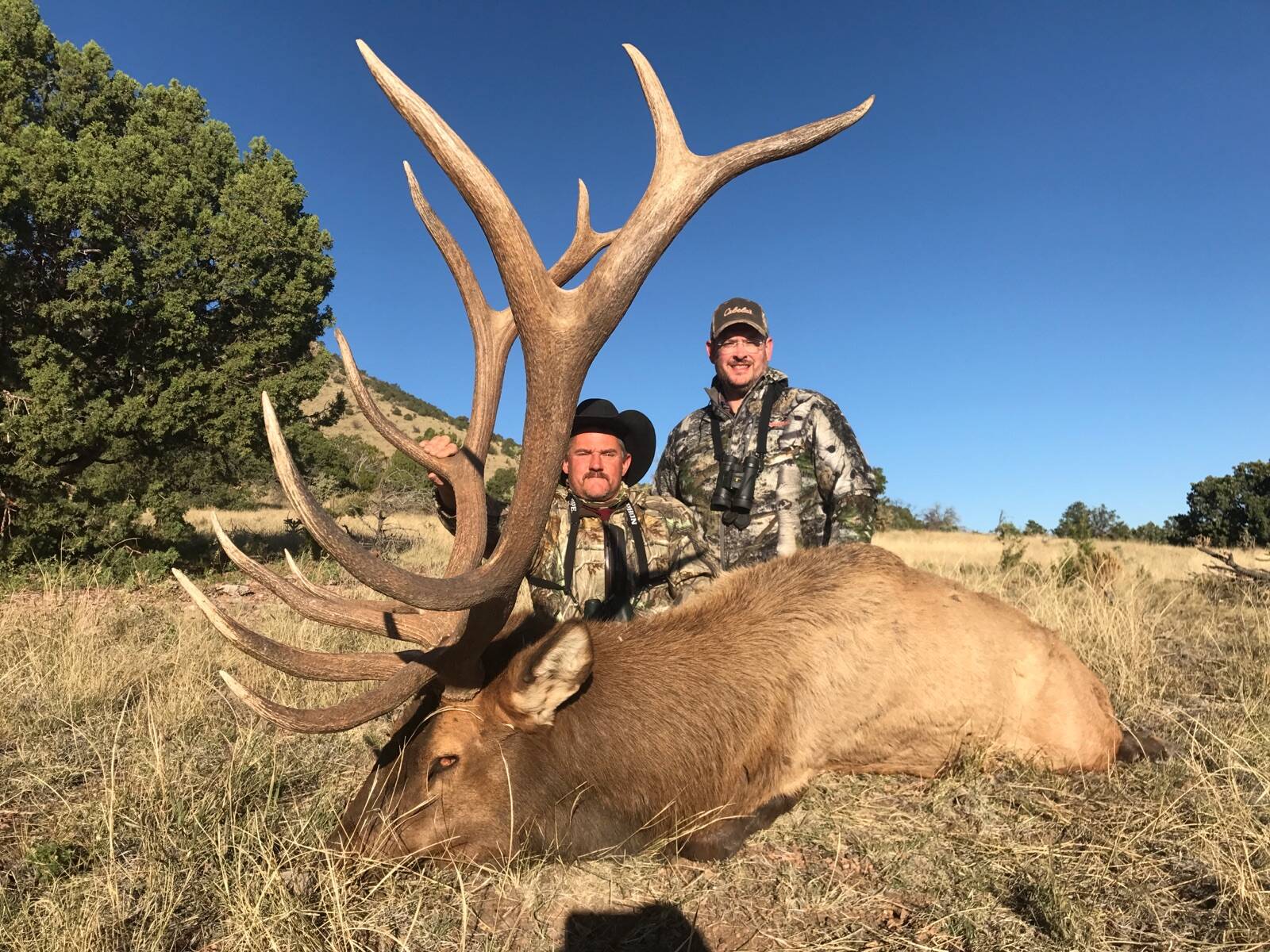
The shot is the part hunters rehearse for months. What happens in the two hours afterward is the part that determines whether you take home meat worth…
Read More →
Ready to Go?
Tags are limited and dates fill fast. Let's get your season on the calendar.
Book Your Hunt → or call (575) 315-6107