 LOH OutfittersSouthern New Mexico
LOH OutfittersSouthern New Mexico
LOH OutfittersSouthern New Mexico
Most hunters can list the animals they’ve taken.
Far fewer can clearly remember how most of those hunts actually felt.
Some hunts blur together over time - the same routine, the same decisions, the same outcomes. Others stay vivid for decades. Hunters remember where they were standing, what the air felt like, who was with them, and the exact moment everything came together.
The difference isn’t luck, and it isn’t just the animal.
It’s the experience.
Many hunts follow a familiar pattern.
You show up, hunt hard, make the best decisions you can, and hope opportunity presents itself. Sometimes it does. Sometimes it doesn’t.
Over time, those hunts can start to blend together - not because they weren’t enjoyable, but because they didn’t carry weight beyond the season.
When a hunt feels routine, the memory fades faster.
This doesn’t mean those hunts were bad. It means they weren’t designed to be meaningful.
Hunts that last a lifetime usually feel different before the first day in the field.
There is more intention behind them. More preparation. More thought put into where, when, and why the hunt is happening.
These hunts often involve:
That sense of importance changes how hunters approach every decision.
Easy experiences rarely leave a lasting impression.
Hunts that test patience, discipline, and judgment tend to stay with hunters longer because they require something in return.
Western trophy hunts - especially in places like New Mexico - often demand more:
When success finally comes under those conditions, it feels earned. That feeling is hard to forget.
It’s easy to assume that memorable hunts are defined by antler size or rarity.
In reality, many hunters remember the process more than the outcome.
They remember:
The animal becomes a symbol of the experience - not the sole reason it mattered.
As hunters gain experience, priorities often shift.
Instead of chasing volume or convenience, many begin to value quality, intention, and depth of experience.
This is often when hunters start asking different questions:
These questions naturally lead hunters toward more intentional, well-planned hunts.
Guided trophy hunts aren’t memorable because someone else does the work.
They’re memorable because the entire experience is built with purpose.
On a well-run guided hunt, every element supports the experience:
This structure allows hunters to be fully present - not distracted by logistics, uncertainty, or rushed decisions.
New Mexico trophy hunts often fall into the category of experiences that last.
Limited tags, challenging terrain, and strict management create an environment where opportunity is rare and meaningful.
Hunters who pursue elk, mule deer, pronghorn, or bighorn sheep in New Mexico understand that the hunt itself carries weight before it ever begins.
This sense of rarity changes how the experience is remembered.
Preparation doesn’t just increase odds - it increases meaning.
When hunters invest time preparing physically, mentally, and strategically, they become more connected to the outcome.
Even difficult days in the field feel purposeful.
This is one reason hunters who want a hunt to matter often talk with LOH Outfitters early - not to rush into booking, but to understand how preparation, structure, and expectations shape the entire experience.
Hunters often measure future experiences against a single standout hunt.
That hunt becomes a reference point - the one they compare others to.
These reference-point hunts usually share common traits:
Those qualities don’t happen by accident.
When hunters say a hunt was “worth it,” they’re rarely talking about cost.
They’re talking about:
That feeling is tied to intention, not convenience.
Many hunters delay pursuing a truly meaningful hunt, assuming the right time will eventually come.
What often changes instead is perspective.
Hunters who eventually take that step often realize they weren’t waiting for better conditions - they were waiting for permission.
The hunts they remember most are the ones they decided mattered.
One well-planned, intentional hunt can change how hunters approach everything that follows.
They become more selective. More patient. More focused on experience than outcome.
That shift is often what separates memorable hunts from forgettable ones.
Not every hunt needs to be monumental.
But most hunters eventually want at least one that is.
The hunts remembered for a lifetime are rarely the easiest or the most convenient. They’re the ones approached with intention, preparation, and respect for the opportunity.
Hunters who want to explore what that kind of experience looks like often start a conversation with LOH Outfitters to understand how meaningful hunts are built - long before the season ever starts.
Years from now, most hunts will blur together.
A few will stand out clearly.
Those are the hunts that weren’t rushed, weren’t accidental, and weren’t treated as just another season.
They’re remembered because they mattered.
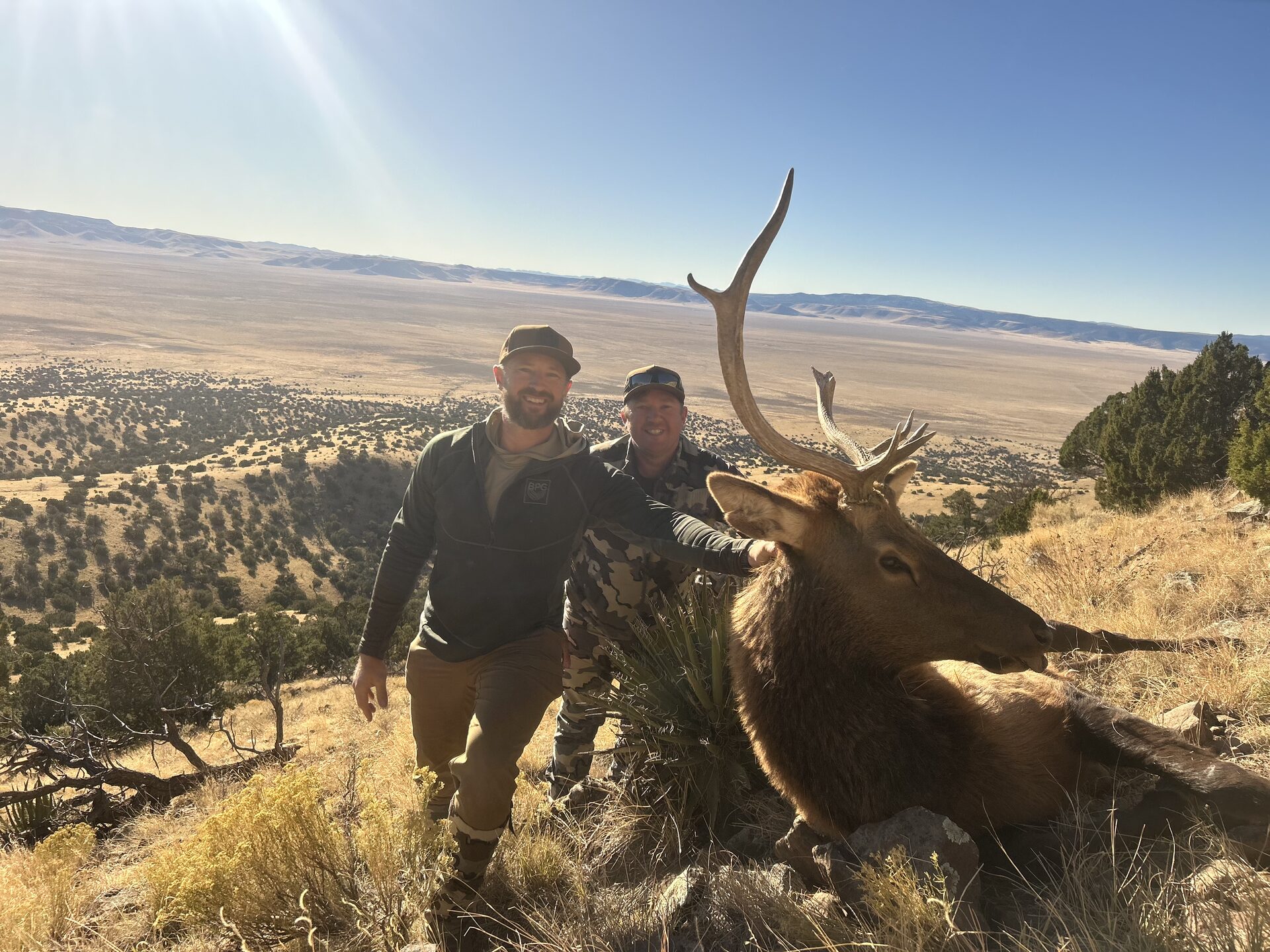
Every draw hunt code splits 84 percent to residents, 10 percent to the outfitter pool and 6 percent to unguided nonresidents. On a small hunt, that math matters.
Read More →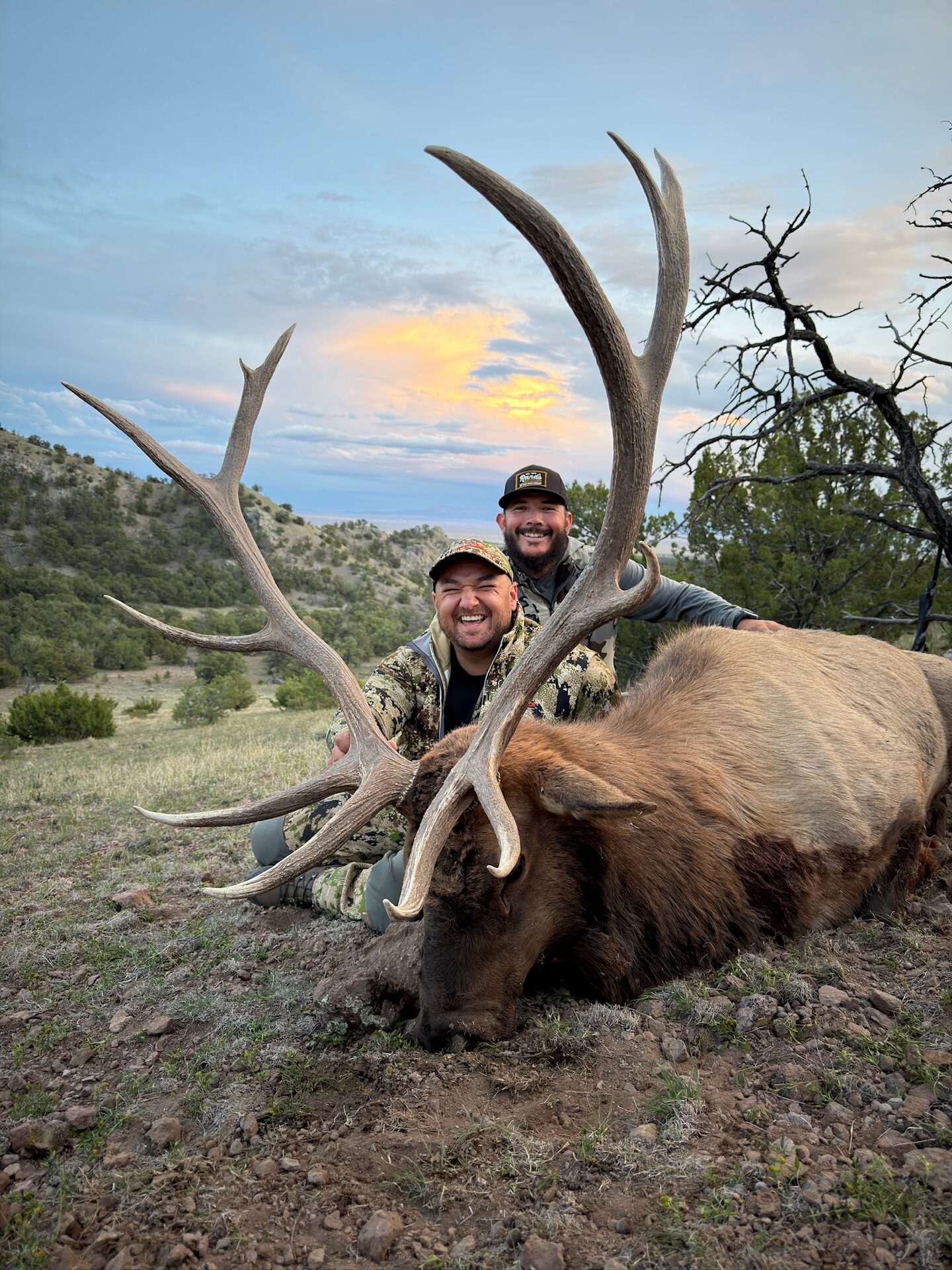
Shooting hours run to a half hour after sunset. That final stretch is some of the most productive time of the day, and most hunters are already walking out.
Read More →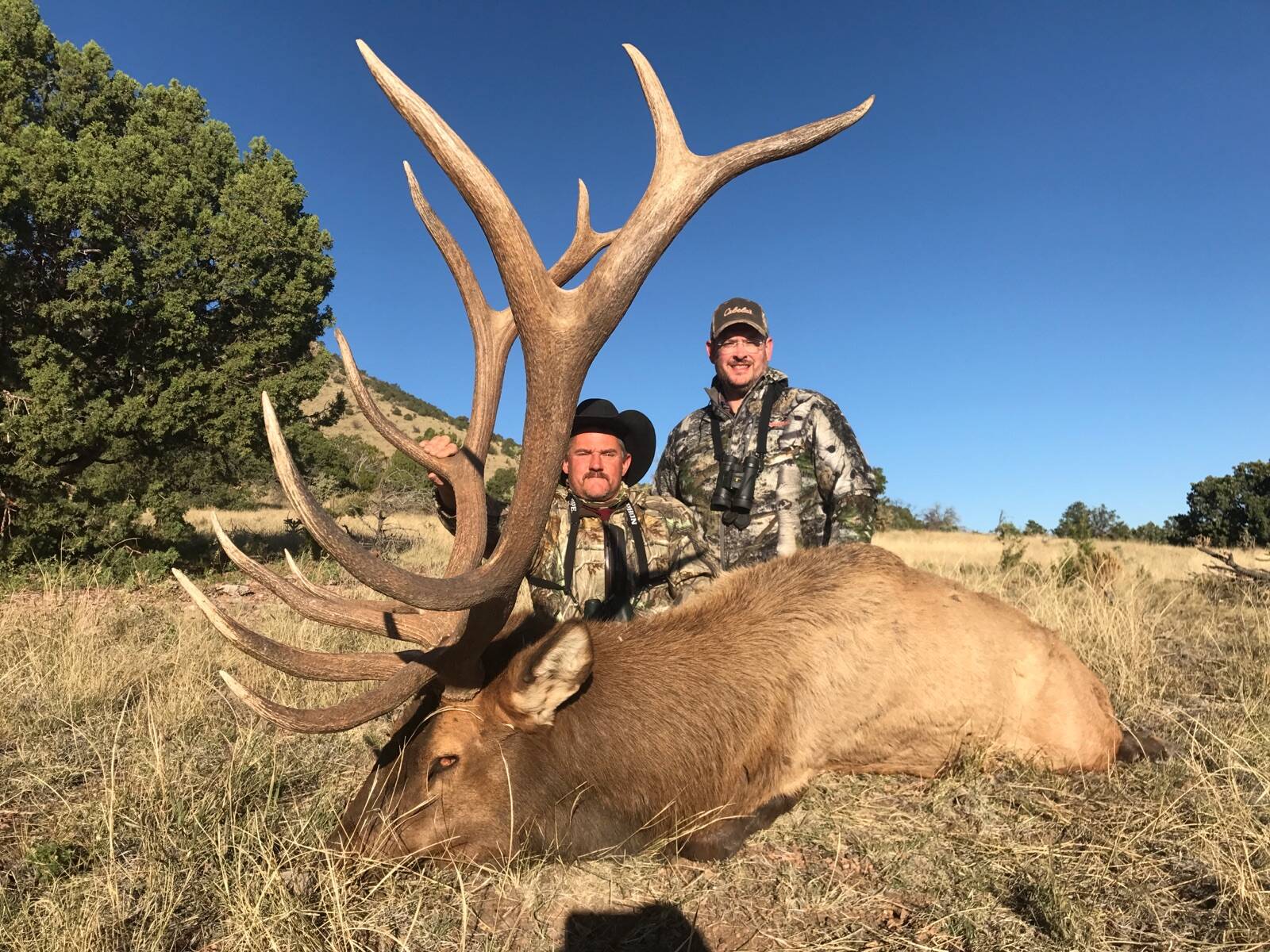
The shot is the part hunters rehearse for months. What happens in the two hours afterward is the part that determines whether you take home meat worth…
Read More →
Ready to Go?
Tags are limited and dates fill fast. Let's get your season on the calendar.
Book Your Hunt → or call (575) 315-6107