 LOH OutfittersSouthern New Mexico
LOH OutfittersSouthern New Mexico
LOH OutfittersSouthern New Mexico
One of the biggest differences between experienced guides and most hunters isn’t effort - it’s awareness.
Most hunters are willing to work hard. They’ll hike further, glass longer, and push themselves physically. But effort alone doesn’t always lead to success. What matters just as much is what you’re paying attention to while you’re doing that work.
At LOH Outfitters, guides are trained by experience - not theory. And one thing becomes clear very quickly: within the first hour of being in a hunting area, there are dozens of small details that tell a much bigger story.
Most hunters don’t see them. Not because they’re lazy - but because they don’t know what to look for.
If you want to understand how experienced guides approach a hunt from the very beginning, you can contact LOH Outfitters to start that conversation.
One of the most common misconceptions in hunting is that everything begins once you spot game. In reality, experienced guides are building a picture of the hunt long before that moment.
In the first hour, they’re already asking:
These aren’t abstract questions. They directly influence every decision that follows.
Most hunters check wind direction once and move on. Guides don’t. They watch how wind behaves in real time.
In mountainous terrain, wind doesn’t move in a straight line. It swirls, rises, drops, and shifts depending on time of day, terrain features, and temperature.
Within the first hour, experienced guides are already identifying:
This information determines where you can and cannot hunt effectively. Ignoring it leads to blown opportunities before they even develop.
Tracks, droppings, rubs - it’s easy to get excited about sign. But not all sign matters equally.
Guides don’t just look for sign. They evaluate whether it’s relevant right now.
In the first hour, they’re determining:
Many hunters spend days chasing sign that tells a story from yesterday - or last week. Guides focus on what’s happening today.
Animals rarely move randomly. Even when they aren’t visible, there are clues that reveal how they’re using the terrain.
Guides pick up on small details like:
These details often go unnoticed by hunters focused on covering ground instead of reading it.
Pressure changes everything. And it doesn’t always look obvious.
In the first hour, experienced guides are identifying signs of human activity:
Animals respond to pressure quickly. A spot that “looks perfect” on a map may already be compromised.
Guides adjust immediately instead of learning this lesson the hard way over several days.
Most hunters glass. Few do it effectively.
Guides use the first hour to determine how to glass - not just where. They evaluate:
Instead of randomly scanning, they build a repeatable process that increases the chance of spotting animals others miss.
One detail that often gets overlooked is how energy is used early in the hunt.
Many hunters burn themselves out in the first day by moving too much, climbing aggressively, or chasing low-probability opportunities.
Guides think differently. In the first hour, they’re already considering:
This approach keeps hunters sharp when it actually matters.
The reason most hunters don’t pick up on these details isn’t lack of effort - it’s lack of exposure.
These observations come from repetition. From seeing the same mistakes play out over and over. From understanding how small decisions compound over time.
Without that experience, it’s easy to focus on the obvious and miss what actually drives success.
If you want to improve your hunting results, the goal isn’t to work harder - it’s to see more.
Start by slowing down in the first hour. Ask better questions. Pay attention to how the environment is behaving instead of rushing to create action.
Better awareness leads to better decisions. Better decisions lead to better opportunities.
The early moments of a hunt are where experience shows up the fastest. Knowing what to look for - and what to ignore - can change the entire trajectory of a hunt.
At LOH Outfitters, that experience is applied from the very beginning. The goal isn’t just to hunt hard - it’s to hunt intelligently from the first hour forward.
If you want to approach your next hunt with that level of clarity, you can contact LOH Outfitters to start planning.
Most hunters spend the first day trying to make something happen. Experienced guides spend the first hour figuring out how it should happen.
That difference shapes everything that follows.
Because in hunting, success doesn’t usually come from doing more - it comes from noticing more.
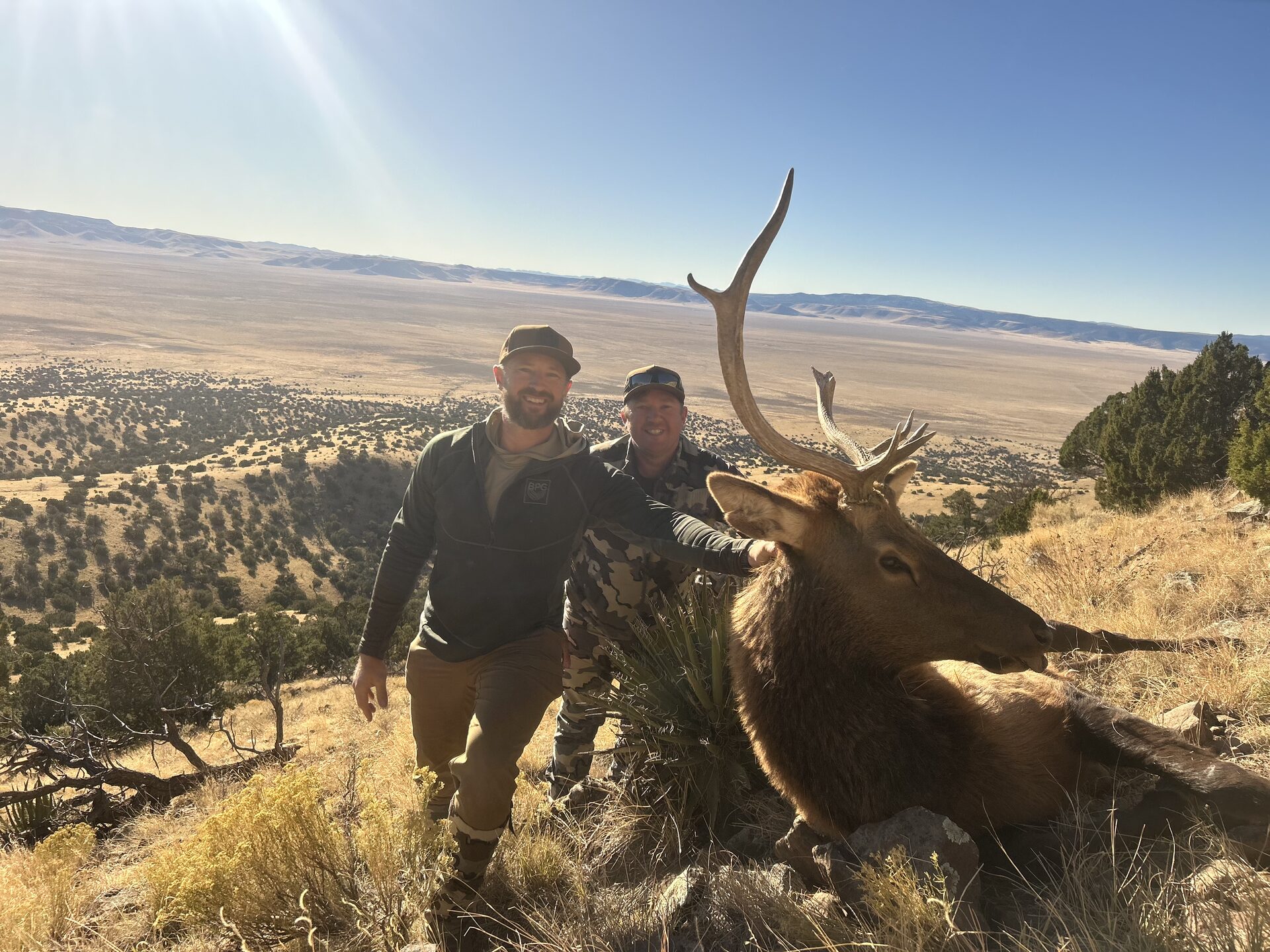
Every draw hunt code splits 84 percent to residents, 10 percent to the outfitter pool and 6 percent to unguided nonresidents. On a small hunt, that math matters.
Read More →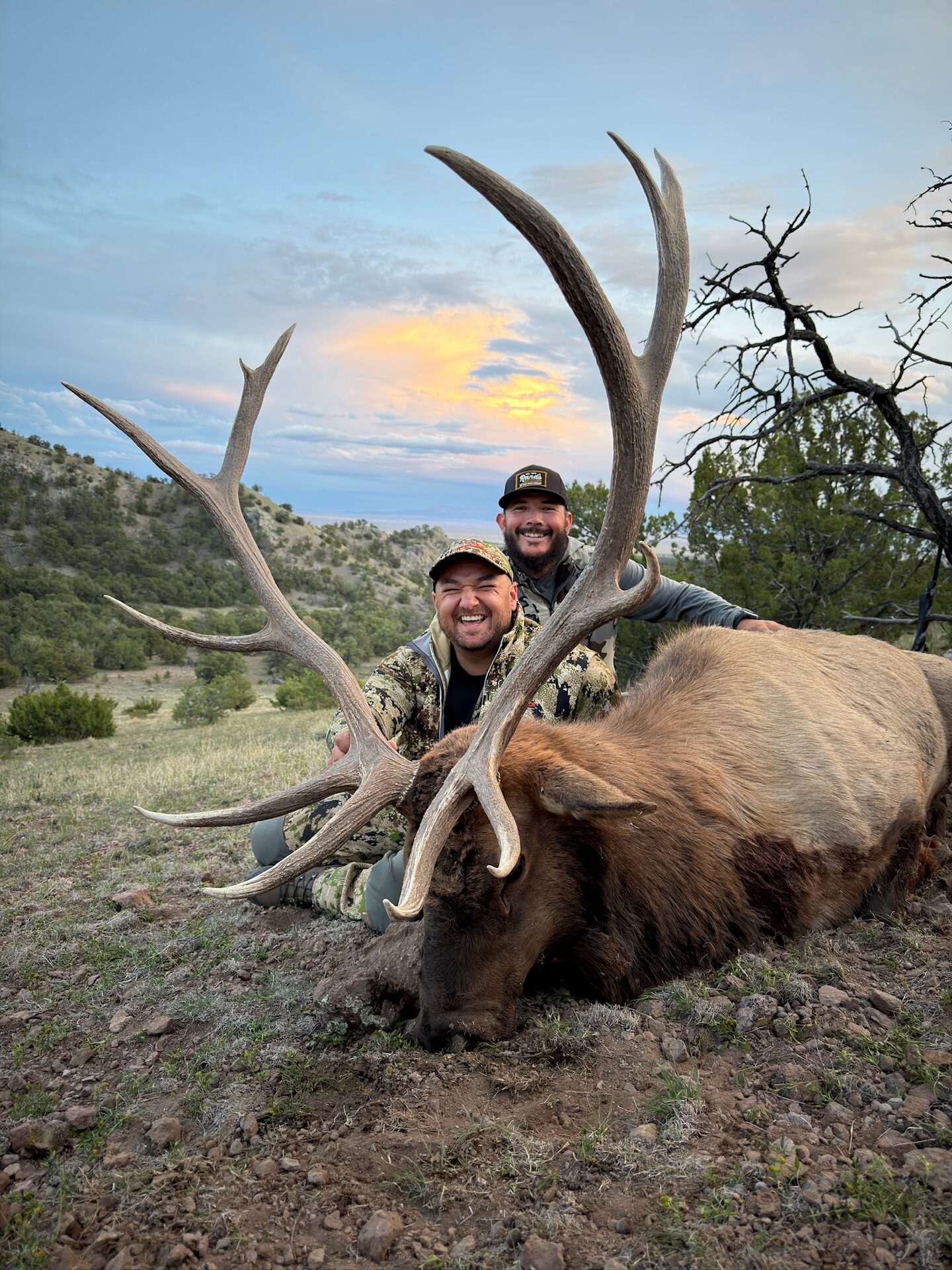
Shooting hours run to a half hour after sunset. That final stretch is some of the most productive time of the day, and most hunters are already walking out.
Read More →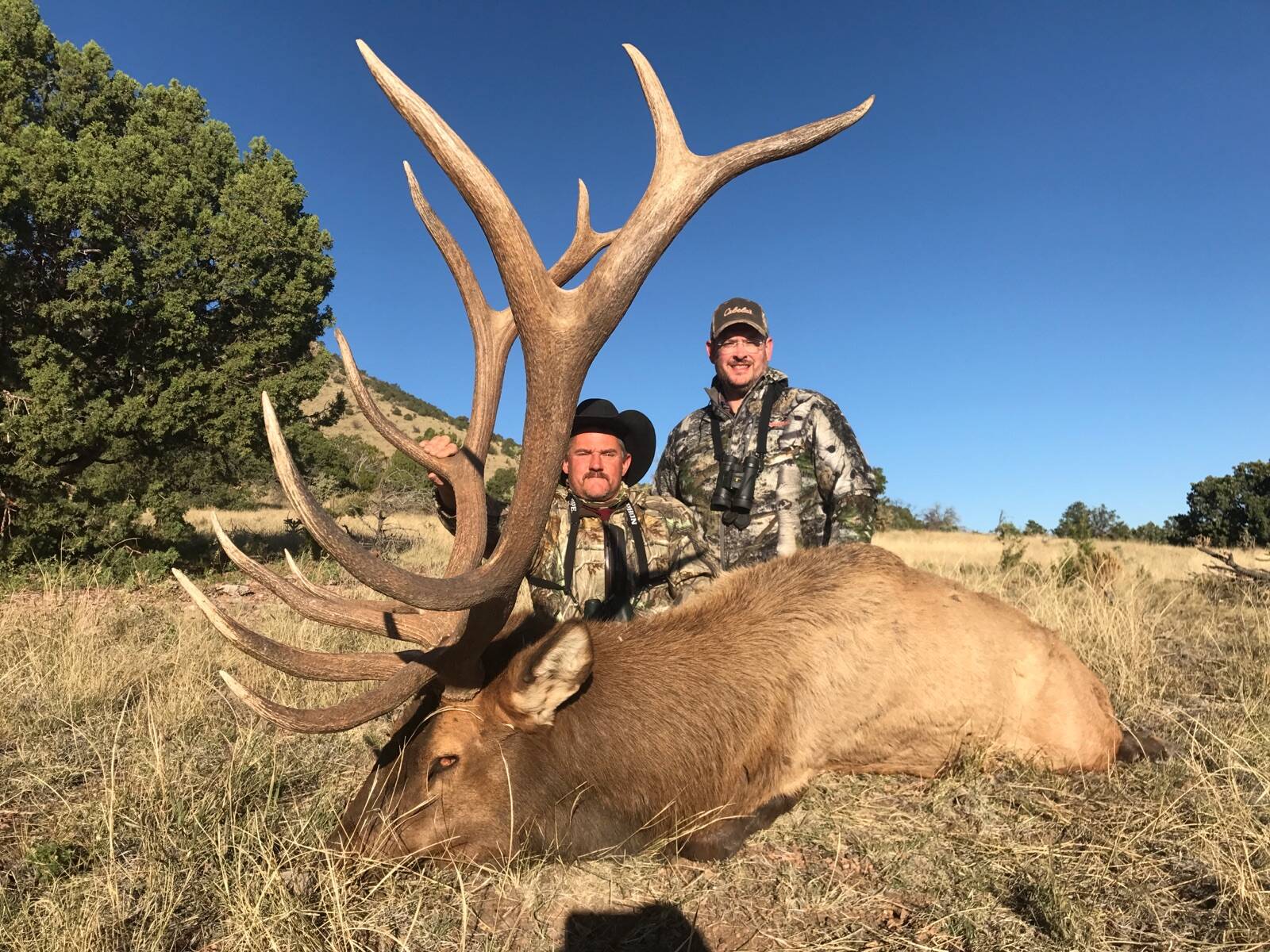
The shot is the part hunters rehearse for months. What happens in the two hours afterward is the part that determines whether you take home meat worth…
Read More →
Ready to Go?
Tags are limited and dates fill fast. Let's get your season on the calendar.
Book Your Hunt → or call (575) 315-6107