 LOH OutfittersSouthern New Mexico
LOH OutfittersSouthern New Mexico
LOH OutfittersSouthern New Mexico
Hunters preparing for a western hunt tend to pack for cold. It is what the photographs show: frost on the grass, breath in the air, heavy layers on a ridge at first light. It is the image the whole idea of elk hunting is built on.
Then they arrive in New Mexico in late August or early September and spend the week in eighty-degree afternoons, wondering why half their duffel is useless and why they are out of water by noon.
Early season here is a heat problem before it is a cold problem. Pack accordingly, and you will hunt better for the entire week.
An early-season day in our country can start near freezing at elevation and reach the eighties by afternoon. That spread, within a single day, is the entire packing challenge.
You are not choosing between hot-weather clothing and cold-weather clothing. You need to be able to move through both, repeatedly, without carrying a duffel bag on your back. The hunters who get this right are comfortable all day. The ones who get it wrong are either sweating through the climb or shivering through the morning glassing session, and both cost you focus.
The other thing worth understanding is that the temperature swing is driven by sun rather than air. In the shade at nine thousand feet it can be genuinely cool while the same spot in direct sun is uncomfortable. Your layering has to respond to that, not just to the forecast.
The useful early-season system is light, and built so that you can adjust it quickly without stopping for ten minutes.
The common mistake is bringing one heavy jacket instead of two light pieces. Two light pieces cover far more of the range, weigh less in total, and let you make small adjustments rather than being either fully on or fully off.
Our full hunting gear list breaks this down by conditions, including the specific hot-weather setup.
At elevation, in open country, with limited shade, sun exposure will genuinely degrade your hunt by day three if you ignore it. The air is thin and dry and the UV is far stronger than most visitors are used to.
Bring a brimmed hat, quality sunglasses, sunscreen and a neck gaiter. Reapply sunscreen at midday rather than only in the morning. Sunglasses matter more than people think, both for comfort and because squinting into glare for eight hours is exhausting and makes glassing miserable.
Hunters who get cooked spend the back half of the week tired, dehydrated and hunting badly. It is a slow degradation rather than a dramatic one, which is exactly why it goes unnoticed until it has already cost you.
More early-season hunts are quietly ruined by dehydration than by anything else, and it almost never announces itself.
You do not collapse. You get a mild headache, then you get slow, then you stop wanting to make the extra climb, then you start rationalising why the ridge you were going to check is probably not worth it. By the time you recognise it as dehydration you have already lost most of a day.
Carry more than you think you need. Start hydrating properly the day before you arrive, not the morning of your first hunt. Keep drinking on days that do not feel especially hot, because altitude and dry air pull water out of you through respiration far faster than you notice. Add electrolytes if you sweat heavily, since plain water alone can leave you flat.
Know how you are refilling as well. Ask your guide what water is available where you will be hunting and plan capacity around the honest answer rather than the optimistic one.
If you are successful in the heat, the clock starts immediately and it moves faster than most hunters expect.
Meat needs to come off the animal, get cooled, and get into shade quickly. Heat held inside a carcass is what spoils meat, not flies and not dirt, and a large animal holds a remarkable amount of it. Everything in the first hour is about getting that heat out.
Field preparation of game is included on our hunts and our guides are quick and careful about it. What helps enormously is if you understand the urgency and are ready to work rather than spending twenty minutes on photographs first. Take your pictures, they matter, but take them efficiently.
Note that meat processing and shipping are not included, and that is the part hunters most often fail to plan. Decide before your hunt which processor you are using and how the meat is getting home. Details are on our hunt terms page.
Questions about what to bring for your specific dates? Send us a message and we will tell you exactly what conditions to expect.
A few items punch above their weight in early season heat: a light pair of gloves for handling hot rock and cactus, a spare dry shirt for the evening, foot powder or a change of socks for midday, and a small towel. None of them weigh anything and all of them make the week better.
Also bring more moleskin or blister treatment than you think you need. Feet swell in heat, and boots that fit perfectly in cool weather at home can rub after six hours on a hot side-hill.
None of this means leaving cold-weather gear at home. A clear night at nine thousand feet gets genuinely cold, and a storm can drop the temperature twenty degrees in an hour and leave you sitting wet in the wind.
Bring the warm layer. Just do not build your entire kit around it. Check the forecast forty-eight hours before you travel so you can pack for the week you are actually getting rather than the week you imagined in January, and pack so that you can handle both ends of the range in a single day.
Ready to hunt? Book your New Mexico hunt or call (575) 315-6107.
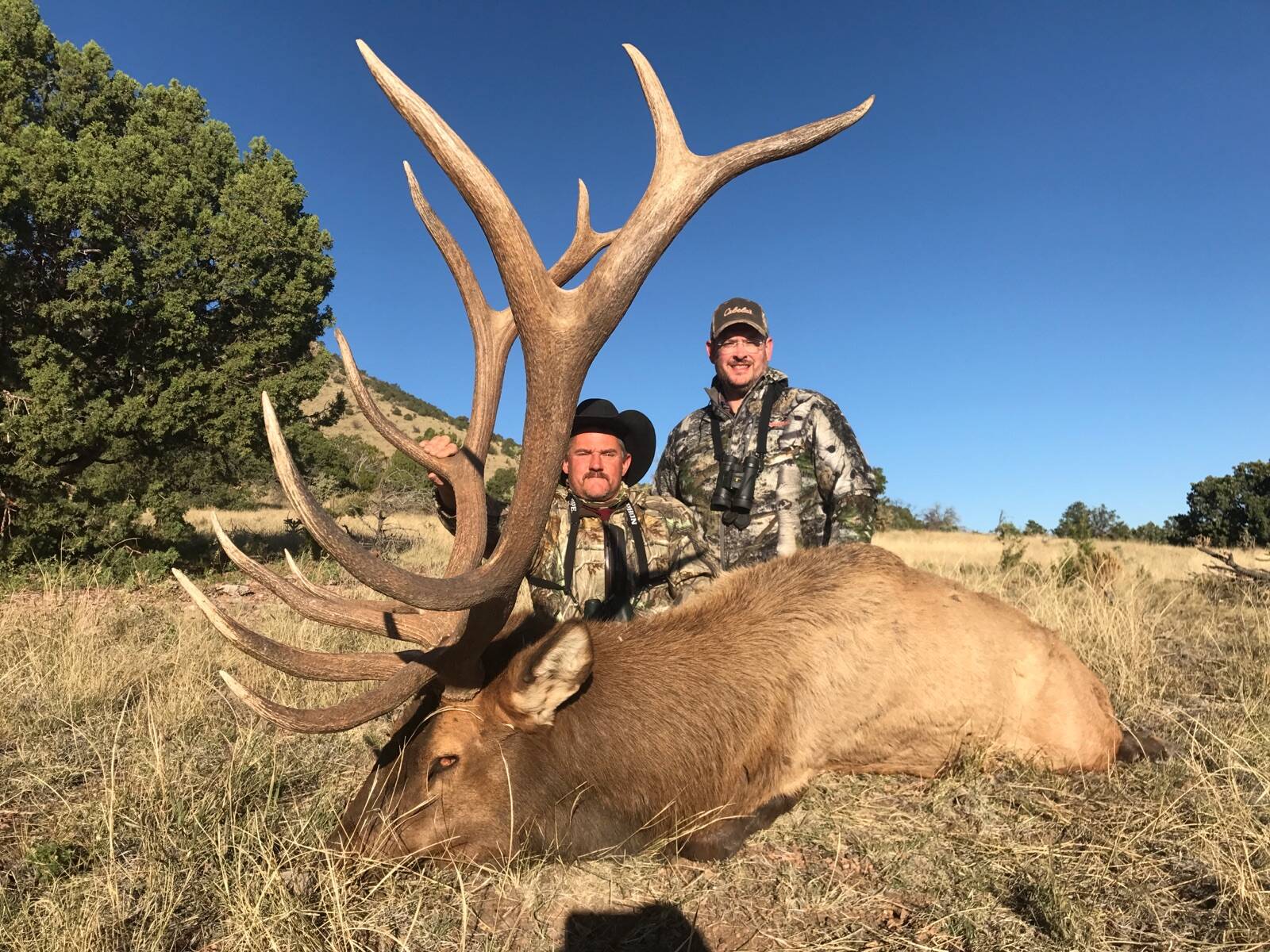
The shot is the part hunters rehearse for months. What happens in the two hours afterward is the part that determines whether you take home meat worth…
Read More →
Most hunters shoot enough. They just shoot the wrong way.
Read More →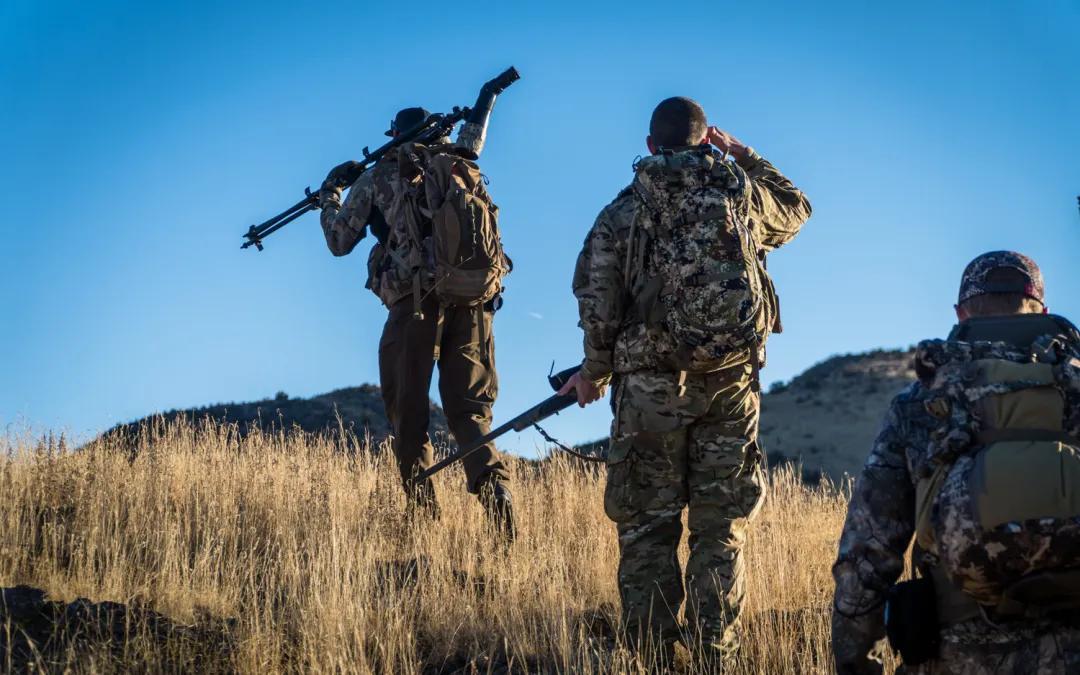
In open western country, the hunter who sees the most animals usually has the best week. Not the fastest hunter, not the fittest one, and certainly not the…
Read More →
Ready to Go?
Tags are limited and dates fill fast. Let's get your season on the calendar.
Book Your Hunt → or call (575) 315-6107