 LOH OutfittersSouthern New Mexico
LOH OutfittersSouthern New Mexico
LOH OutfittersSouthern New Mexico
For many hunters, a Western big game hunt represents the pinnacle of the pursuit. Elk screaming in the timber. Mule deer glassed from miles away. Endless public land and rugged terrain. It’s a dream that often takes years to plan - but for first-time Western hunters, the reality can feel very different from the expectation.
At LOH Outfitters, we guide many first-time Western hunters every season. Most arrive excited, prepared in their own way, and eager to learn. Almost all of them say the same thing afterward: “I wish I had known this before I got here.”
This article breaks down the lessons first-time Western hunters learn the hard way - so you don’t have to.
If you’re planning your first Western hunt and want to start with realistic expectations, visit our Contact Page to begin planning with experienced guides.
One of the first realizations first-time Western hunters have is just how vast the landscape really is. Hunting in the West is not about covering small properties or sitting on known travel corridors. It’s about reading massive pieces of country and understanding how animals use them.
Distances that look short on a map often take hours to cover. Elevation gain is constant. Visibility works both ways - animals can see you just as well as you can see them.
Western hunting teaches quickly that efficiency matters more than speed.
Many first-time Western hunters underestimate how physically demanding these hunts can be. Even hunters who consider themselves in good shape often discover that hiking steep terrain at elevation is a different challenge altogether.
Common surprises include:
Preparation isn’t about being an elite athlete - it’s about being durable. Hunters who arrive physically ready stay sharper longer and make better decisions when opportunity appears.
Western hunting is not a flat-range experience. Shots often come from awkward positions, steep angles, uneven footing, and elevated heart rates. First-time hunters are often surprised by how different shooting feels in real hunting conditions.
Practicing only from a standing position on level ground does not prepare you for reality.
Experienced Western hunters train for:
Confidence in the field comes from realistic practice long before the hunt begins.
Many first-time Western hunters expect constant action. The reality is often much quieter. Long periods of glassing, waiting, hiking, and repositioning are normal.
This mental grind surprises people.
Successful Western hunters learn to:
The West rewards persistence. Often, the best opportunities come after hours - or days - of effort with little visible reward.
First-time Western hunters sometimes arrive with brand-new gear that hasn’t been tested. Boots cause blisters. Packs don’t fit properly. Layering systems don’t match the conditions.
In Western hunting, discomfort becomes distraction - and distraction costs opportunity.
Experienced hunters test gear months in advance. They know how it fits, how it performs, and how to adjust it when conditions change.
Familiar gear allows hunters to focus on the hunt - not on what’s rubbing, slipping, or failing.
Perhaps the biggest lesson first-time Western hunters learn is how much wind matters. In mountainous terrain, thermals rise and fall throughout the day, often changing direction multiple times.
Animals live by their nose. One bad wind shift can end a stalk instantly.
Learning to read thermals, adjust plans, and wait for the right conditions is a core Western hunting skill - and one that takes time to develop.
Some first-time hunters worry that guided hunts make things too easy. The reality is the opposite. Guided hunts remove guesswork, not effort.
At LOH Outfitters, guides help first-time Western hunters:
Instead of wasting energy on mistakes that take years to learn, hunters spend their time hunting intelligently.
Weather changes. Plans shift. Animals move. Western hunting rarely follows a script.
First-time hunters often arrive with rigid expectations. Experienced hunters stay adaptable. They understand that flexibility is one of the most valuable tools they carry.
The ability to adjust calmly separates frustration from success.
While filling a tag is always the goal, first-time Western hunters often leave with something more valuable: perspective.
The scale of the land, the challenge of the pursuit, and the demand for discipline change how many hunters approach hunting moving forward.
Those who embrace the learning curve often return year after year - better prepared and more confident each time.
If you’re planning your first Western hunt, preparation and guidance can make the difference between frustration and fulfillment.
At LOH Outfitters, we specialize in helping first-time Western hunters understand what to expect, how to prepare, and how to hunt effectively in New Mexico’s challenging terrain.
If you want your first Western hunt to be challenging, rewarding, and built the right way from the start, we’re ready to help.
Contact LOH Outfitters to begin planning your first Western hunt with clarity, confidence, and realistic expectations.
Every first-time Western hunter goes through a learning curve. The difference is whether you fight it or embrace it.
Those who arrive prepared, open-minded, and willing to learn often leave with more than a memory - they leave with a foundation that carries into every hunt that follows.
The West will challenge you. If you let it, it will also make you a better hunter.
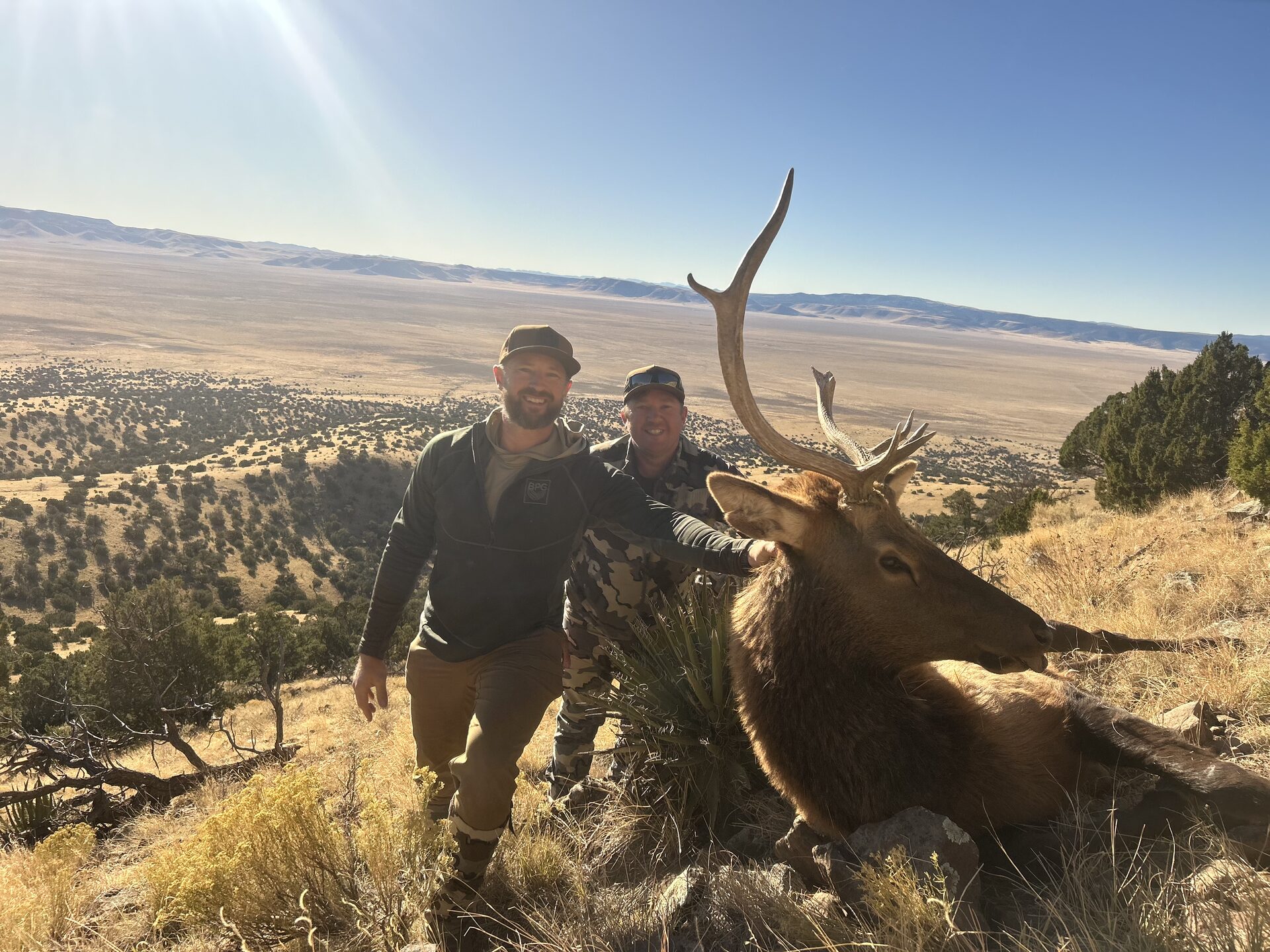
Every draw hunt code splits 84 percent to residents, 10 percent to the outfitter pool and 6 percent to unguided nonresidents. On a small hunt, that math matters.
Read More →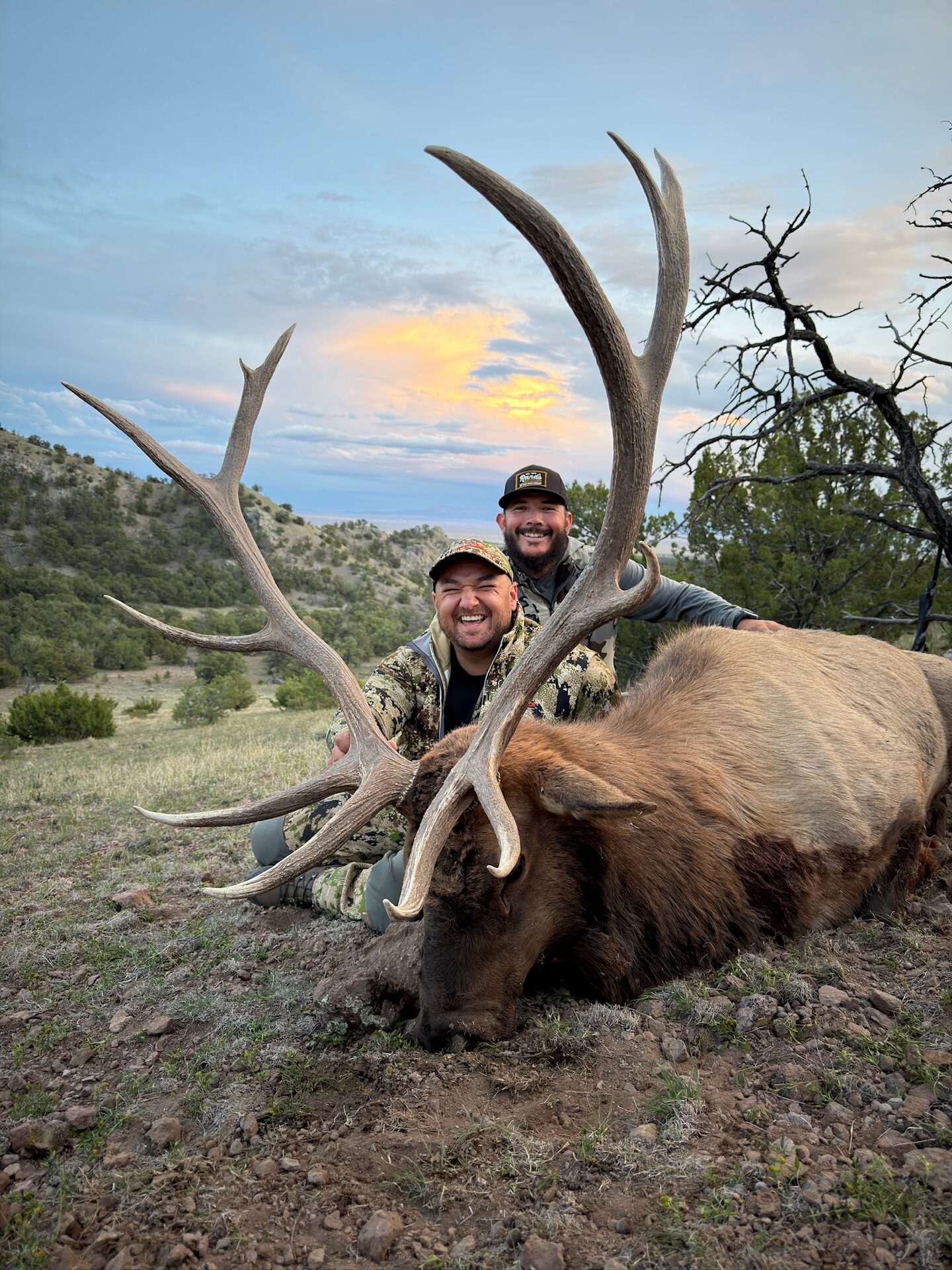
Shooting hours run to a half hour after sunset. That final stretch is some of the most productive time of the day, and most hunters are already walking out.
Read More →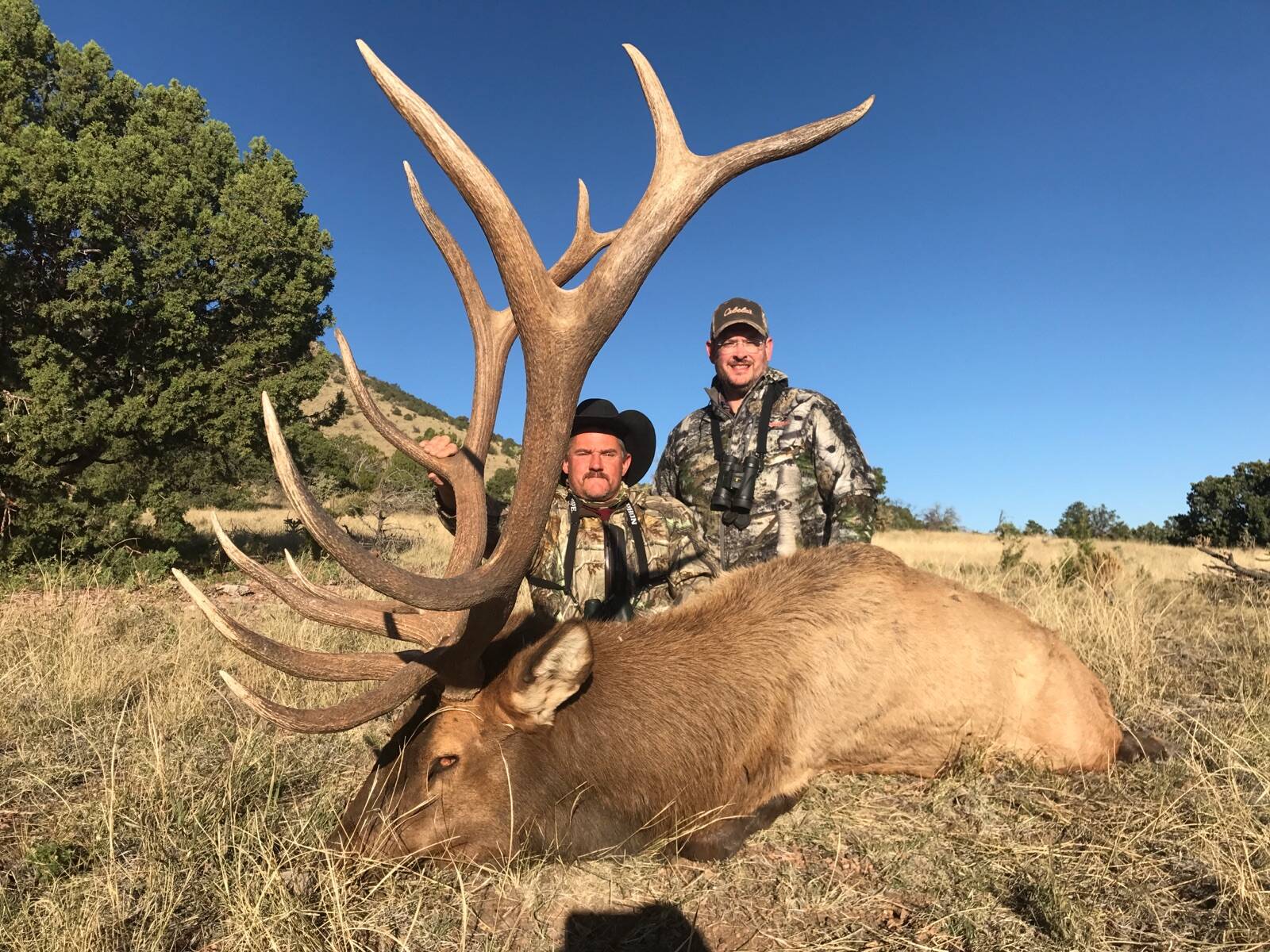
The shot is the part hunters rehearse for months. What happens in the two hours afterward is the part that determines whether you take home meat worth…
Read More →
Ready to Go?
Tags are limited and dates fill fast. Let's get your season on the calendar.
Book Your Hunt → or call (575) 315-6107