 LOH OutfittersSouthern New Mexico
LOH OutfittersSouthern New Mexico
LOH OutfittersSouthern New Mexico
Spring is the most honest time of year to look at hunting country. The grass is short, sign from last fall is still readable, and nothing is distorted by the pressure and movement that come with an open season.
Most hunters skip it entirely. Part of that is practical, since spring is busy and the season feels distant. But part of it is a misunderstanding about what scouting is for. Hunters tend to think scouting means finding the specific animal they are going to kill in September. It does not, and treating it that way is why so many people come away thinking it was a wasted weekend.
Spring scouting is about learning how a piece of country works. It is about building a mental model of a mountain so that when conditions change in the fall, and they always change, you already understand what your options are.
Here is what is actually worth looking for.
In New Mexico, water organizes everything. Tanks, seeps, springs and drainages dictate where animals live and how they move, and in a dry year they dictate it absolutely.
In spring, note which sources are genuinely reliable and which are seasonal. A tank that is full in May and bone dry in August is not a September plan, and knowing the difference in advance is worth more than any amount of glassing later. Look at what feeds each source. A tank filled by runoff behaves very differently from a spring that runs regardless of the year.
Also note what is around the water, not just the water itself. Where is the cover, where is the approach, and where would you actually sit if you needed to watch it without being winded. That is the part you cannot work out quickly in the dark on the second morning of a hunt.
Hunters often dismiss sign that is months old. That is a mistake, and it throws away the most relevant information available to you.
Fresh spring sign tells you where animals are right now, in spring. Old fall sign tells you where they were during the season, which is the only period you actually care about. Learn to read both, and value them differently.
The goal is not to mark a pin on a specific rub. It is to understand the pattern those rubs describe.
The single most useful thing you can learn in the off-season is where other people go.
Roads, trailheads, camping spots, and simply the places that are easy to reach all shape where animals will not be once a season opens. Country that looks unremarkable on a map but sits behind something difficult, a steep climb, a long walk, an awkward access point, will consistently hold more than the spectacular basin that everyone can drive to.
This is the difference between finding a good unit and finding a good spot inside a unit. Plenty of hunters do the first and almost none do the second.
Spring is also when you can see how much traffic an area actually gets. Old fire rings, tire tracks, litter and worn trailheads tell you what October is going to look like there.
If you want a straight answer about what a particular New Mexico unit really offers, ask us directly. We hunt this country every season and we will tell you honestly what to expect rather than what sounds good.
Animals in New Mexico move with feed, water and temperature, and those movements are substantial. Where elk are in May is often thousands of feet in elevation away from where they will be in September, and somewhere different again in November.
When you scout in spring, pay attention to the elevation bands. Note where the feed greens up first, where the snow holds longest, how the country transitions from one habitat type to another, and which slopes hold shade through the day. North-facing slopes stay cooler and hold animals in heat. South-facing slopes green up first and hold them in cold.
You are building a model of how the mountain behaves across a year, not marking a location.
A productive scouting day looks a lot like a hunting day, minus the urgency.
Get high early and glass. Spring animals are visible and unpressured, and watching how they use the country in the morning teaches you more than walking through it. Then walk the country you glassed, and check whether your read from a distance matched what is actually on the ground. That calibration is the real skill you are building, and it transfers to every hunt you ever do.
Take notes. Not mental notes, written ones, with photographs. You will not remember which of four drainages had the good tank when you come back in five months.
It is worth being clear about the limits, because overselling scouting sets hunters up to be disappointed.
Spring scouting will not tell you where a specific bull will be on the third morning of your hunt. Weather, hunting pressure, rut timing and pure chance will move animals in ways nobody can predict five months out. Anyone who tells you otherwise is selling something.
What it does is shorten your decision time in the field. When a plan falls apart at daylight, and plans fall apart constantly, the hunter who understands the country picks the next option in minutes. The hunter who does not understand it stands there debating and burns the morning. Over a five day hunt, that difference compounds into a genuinely different week.
This is a large part of what you are actually paying for on a guided hunt, and it is worth being explicit about it.
Our guides have years of accumulated seasons in this country. That includes all the spots that looked promising and did not produce, which is knowledge you cannot get from a map and can only buy with time. They know which tanks hold in a dry year, which drainages take pressure early, and where animals go when the country gets hunted.
You can build that knowledge yourself over a decade of hunting the same units, and plenty of people enjoy doing exactly that. Or you can borrow it for a week.
Either way, understanding the country is what separates hunters who get opportunities from hunters who get stories about the weather.
Book your New Mexico hunt or call (575) 315-6107 to talk through the options.
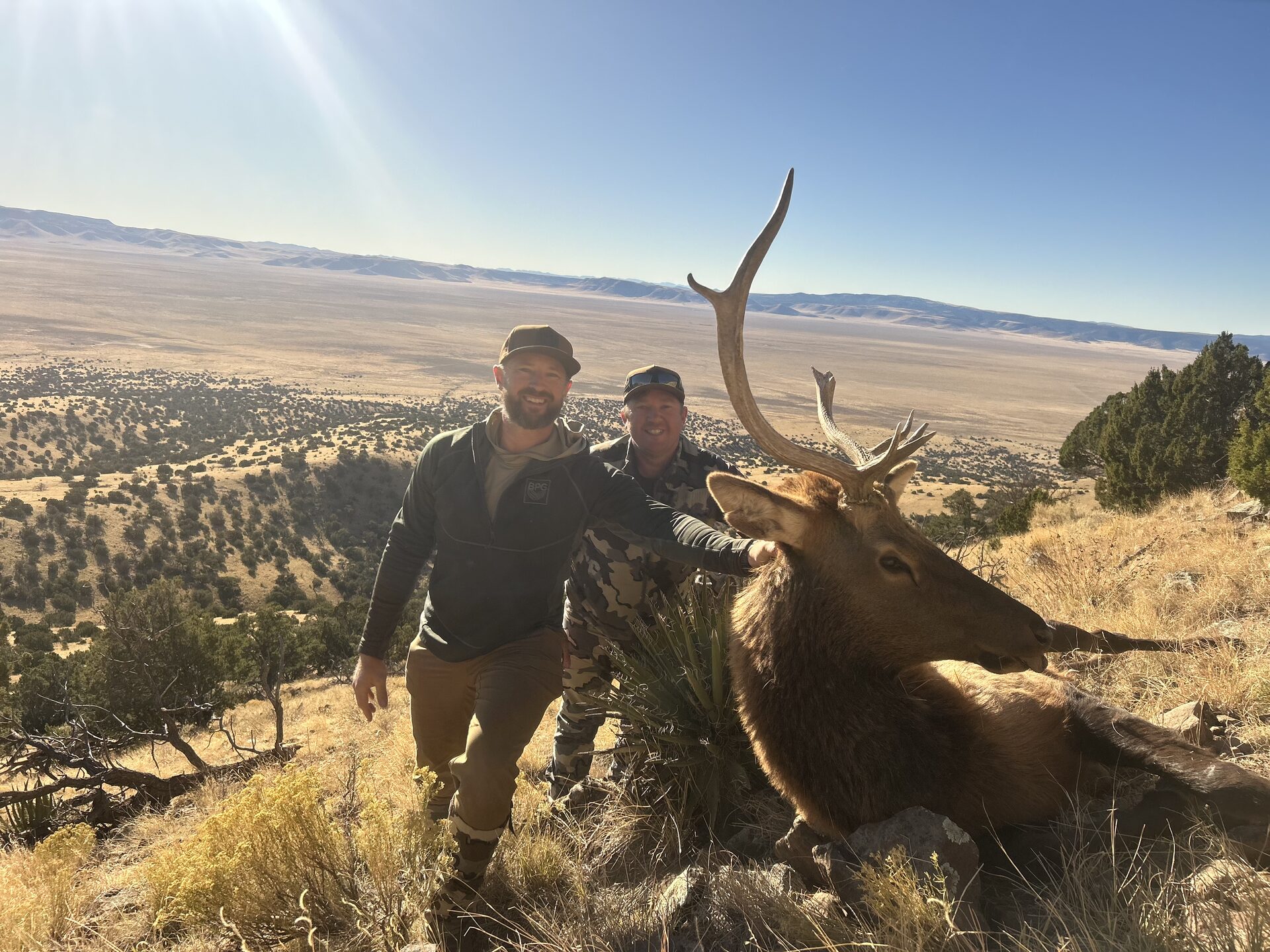
Every draw hunt code splits 84 percent to residents, 10 percent to the outfitter pool and 6 percent to unguided nonresidents. On a small hunt, that math matters.
Read More →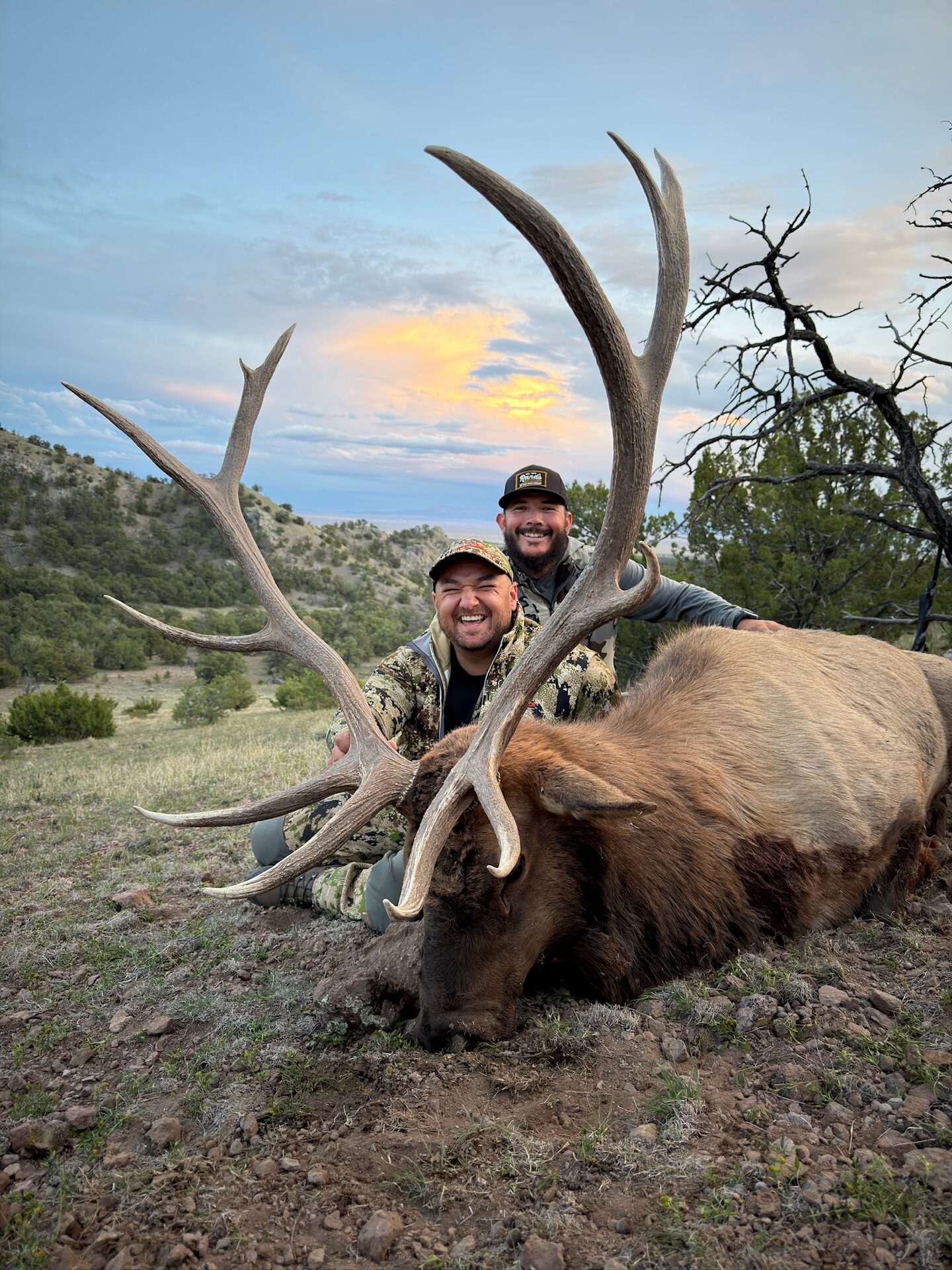
Shooting hours run to a half hour after sunset. That final stretch is some of the most productive time of the day, and most hunters are already walking out.
Read More →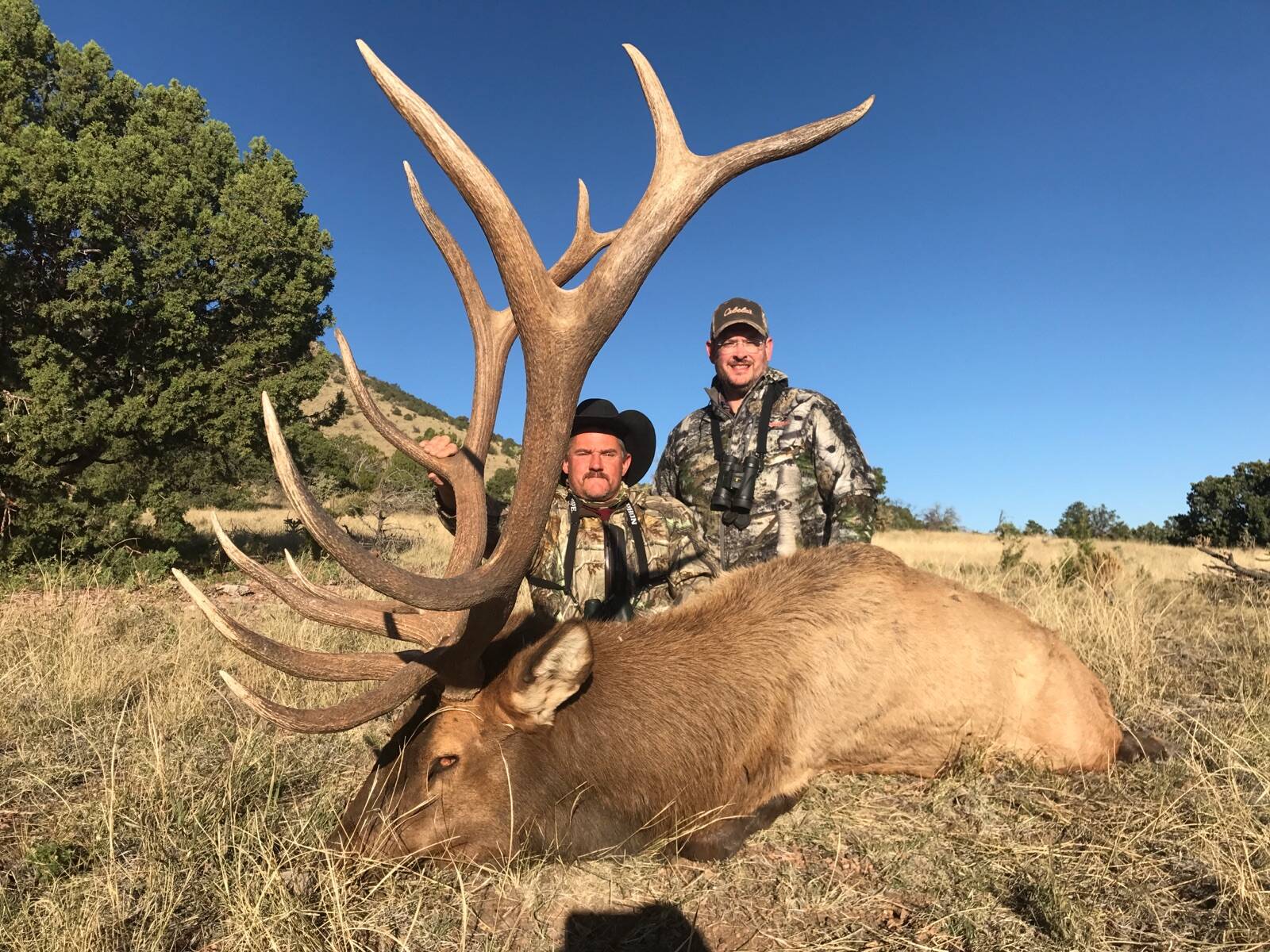
The shot is the part hunters rehearse for months. What happens in the two hours afterward is the part that determines whether you take home meat worth…
Read More →
Ready to Go?
Tags are limited and dates fill fast. Let's get your season on the calendar.
Book Your Hunt → or call (575) 315-6107