 LOH OutfittersSouthern New Mexico
If you have been applying in western states for a while, you are used to a particular kind of math. You put in, you do not draw, you bank a point, and you tell yourself the tag is coming in six or eight years.
New Mexico does not work that way at all, and hunters who do not understand the difference either waste years or miss opportunities they could have had.
The department states it plainly: New Mexico does not grant preference to applicants who were unsuccessful in previous drawings.
There are no preference points. There are no bonus points. There is nothing to accumulate, nothing to buy, and nothing to protect.
Here is how the draw actually runs. Every application is assigned a random sequence number. The computer works through applications in that order, examining each one in its entirety, trying your first choice, then your second, then your third, subject to the residency quotas. If all three are filled by the time it reaches you, you get nothing and it moves to the next application.
That is the whole system. Your odds this year are the same as a hunter who has applied for twenty consecutive years.
The contrast is stark, and it is why so many hunters misread New Mexico.
In a point state, a first-time applicant essentially cannot draw a premium tag. In New Mexico, a first-time applicant can draw the best elk unit in the state on their first try. It happens every year.
The absence of points changes the strategy completely.
Apply every year without exception. In a point state, skipping a year costs you a point. In New Mexico, skipping a year costs you a full chance and nothing else is lost. But the reverse is also true: there is no reward for patience, so the only way to draw is to be in the pool.
Stop waiting for the "right" year. There isn't one. Hunters in point states learn to hold out until their points mature. That instinct is useless here and costs you seasons.
Put real thought into your three choices. Since the computer works through your choices in order, your first choice can be a dream hunt while your second and third are realistic. There is no penalty for aiming high on the first choice.
Understand your pool. Residents get a minimum of 84 percent of licenses, the outfitter pool gets 10 percent, and unguided nonresidents get 6 percent. On a small hunt code, 6 percent rounds to almost nothing. We broke that down in The Outfitter Pool.
Use the fourth choice on deer and elk. Those species allow a fourth choice, which is a quadrant of the state rather than a hunt code, awarded in a separate second drawing after all applications are examined. It uses the same sporting-arm type as your first choice.
Choosing codes well is most of the game here. Talk to us before you apply and we will help you build an application that reflects how the draw actually works.
A random draw feels unfair when you have gone five years without a tag. It is worth remembering the other side.
It means there is no barrier to entry. A hunter who has never applied anywhere can decide in February to hunt New Mexico and have a genuine chance. It means a young hunter is not twenty years behind. It means nobody has locked up the good tags by starting earlier than you did.
It also means you should apply this year rather than next. There is nothing to build toward, and the only application that can possibly draw is the one you submit.
Want help getting into the draw properly, including applying under our outfitter number? Contact the team or call (575) 315-6107.
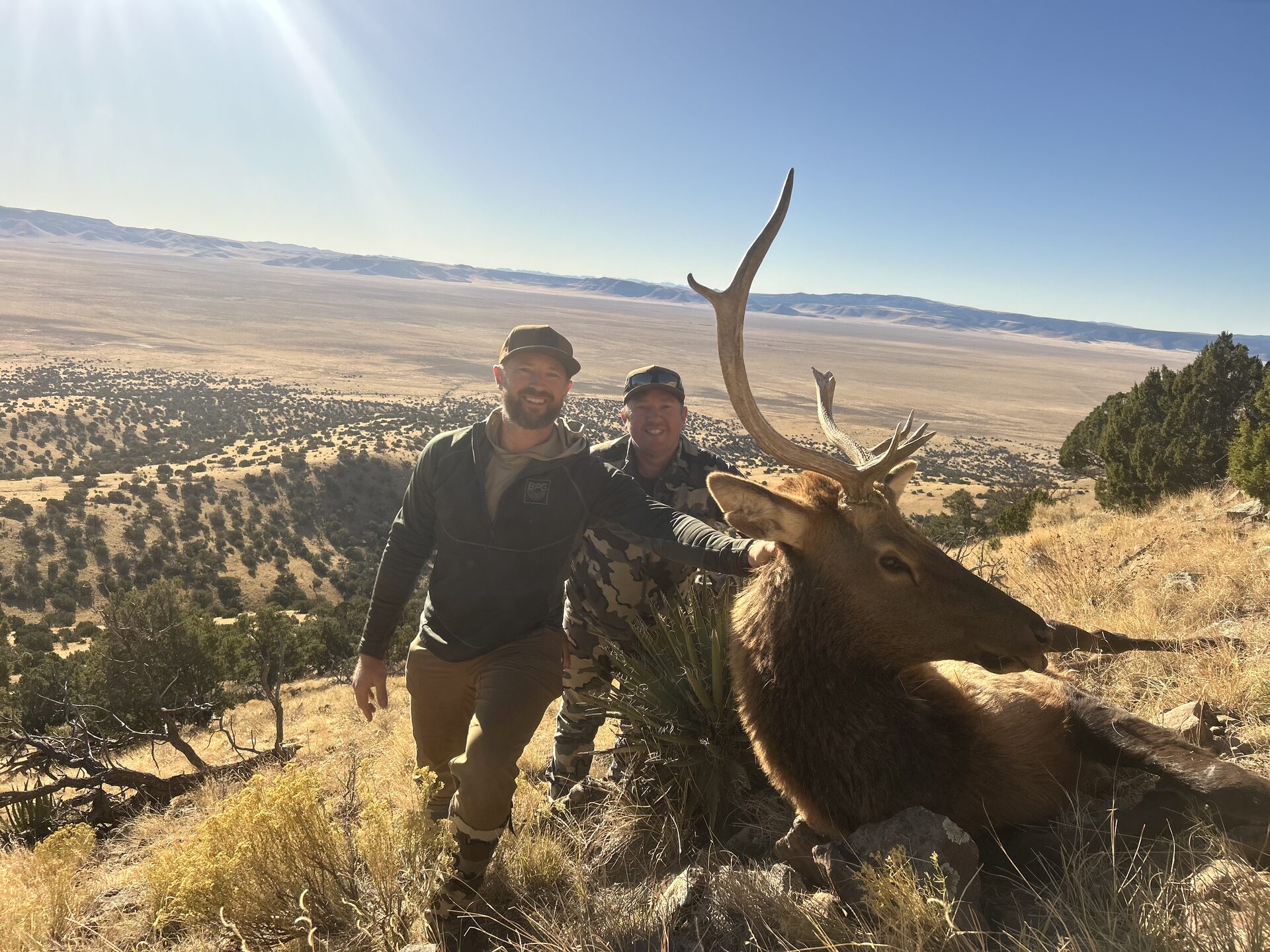
Every draw hunt code splits 84 percent to residents, 10 percent to the outfitter pool and 6 percent to unguided nonresidents. On a small hunt, that math matters.
Read More →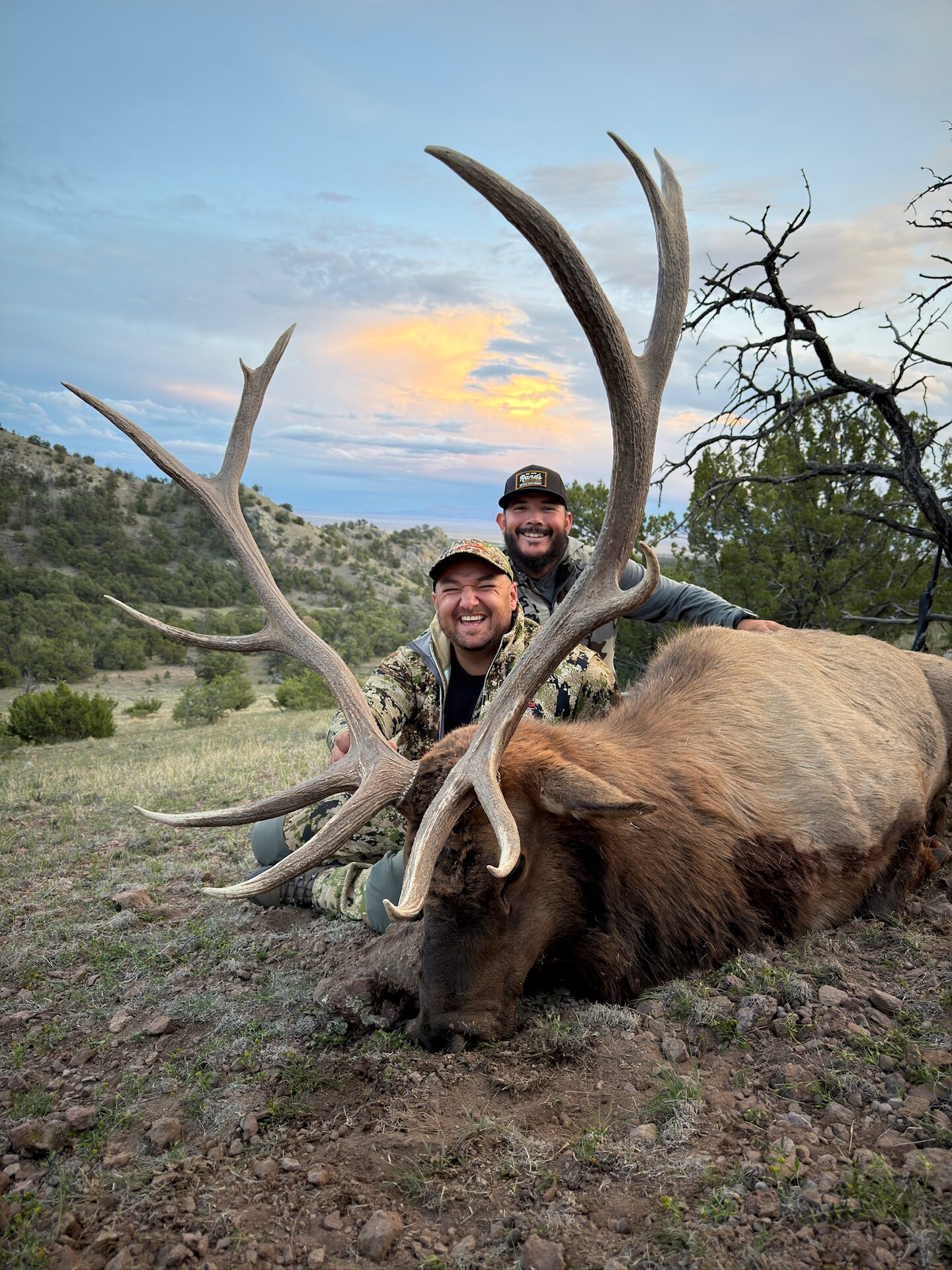
Shooting hours run to a half hour after sunset. That final stretch is some of the most productive time of the day, and most hunters are already walking out.
Read More →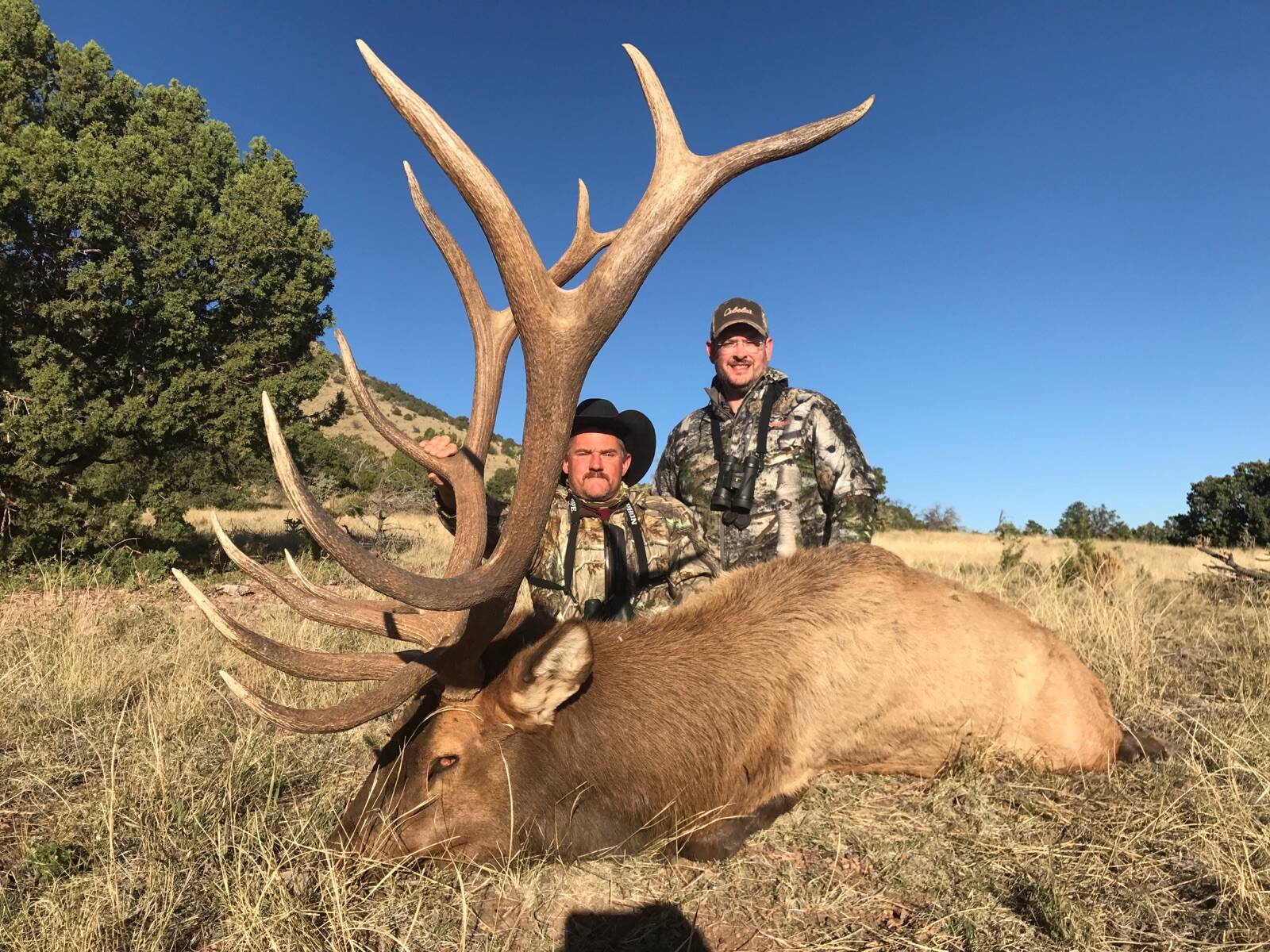
The shot is the part hunters rehearse for months. What happens in the two hours afterward is the part that determines whether you take home meat worth…
Read More →
Ready to Go?
Tags are limited and dates fill fast. Let's get your season on the calendar.
Book Your Hunt → or call (575) 315-6107