 LOH OutfittersSouthern New Mexico
There is a rule on the books in New Mexico that changes how a lot of hunters have been scouting for the last decade. Cellular, Wi-Fi and satellite trail cameras may not be used for hunting or scouting big game remotely.
If your scouting plan was built around getting photos pushed to your phone from three hundred miles away, that plan needs rebuilding.
The prohibition is on transmitting cameras used to hunt or scout big game remotely. The point is the remote transmission, not the camera itself.
Because the specifics matter and enforcement is real, confirm the current wording in the New Mexico Department of Wildlife's Hunting Rules and Information before you deploy anything. We are not going to paraphrase a regulation into a loophole for you. If you are hunting with us and you are unsure whether something is legal, ask and we will find out together.
The argument behind rules like this one, which several western states have adopted, is fair chase. When a hunter can sit at home and receive a photograph of a bull at a tank, then drive out knowing exactly where he was an hour ago, the animal has lost something the rules were built to protect.
There is also a crowding argument. Transmitting cameras concentrate hunters on the handful of water sources and trails that produce images, which puts heavy pressure on exactly the spots animals most need.
You do not have to agree with the reasoning to follow the rule.
Here is the thing worth saying: our guides were finding elk in these units long before cell cameras existed, and the methods still work better than most hunters expect.
This is where an honest point is worth making about guided hunts. Country that produced last year does not automatically produce this year. Summer moisture shifts where animals hold, which tanks are reliable, how green the feed came in and how far animals have to travel.
A guide who has hunted the same units for years is not relying on a snapshot. They are relying on a pattern built over many seasons, updated by boots on the ground in the weeks before your hunt. That is a fundamentally different kind of information than a photograph.
We cover the broader approach in Spring Scouting in New Mexico, and it applies just as much in the fall.
If you would rather have people who already know the country do this part, that is precisely what a guided hunt buys you. See our guided hunts.
Take the rule seriously, because the penalty for getting it wrong is far worse than the advantage a camera would have given you. Then rebuild your scouting around the things that have always worked: optics, maps, water, feed and time in the country.
Hunters who scout that way tend to understand the terrain better than hunters who scouted by notification, and it shows on the third morning when the plan has to change.
Planning a New Mexico hunt and want help reading the country? Contact the team or call (575) 315-6107.
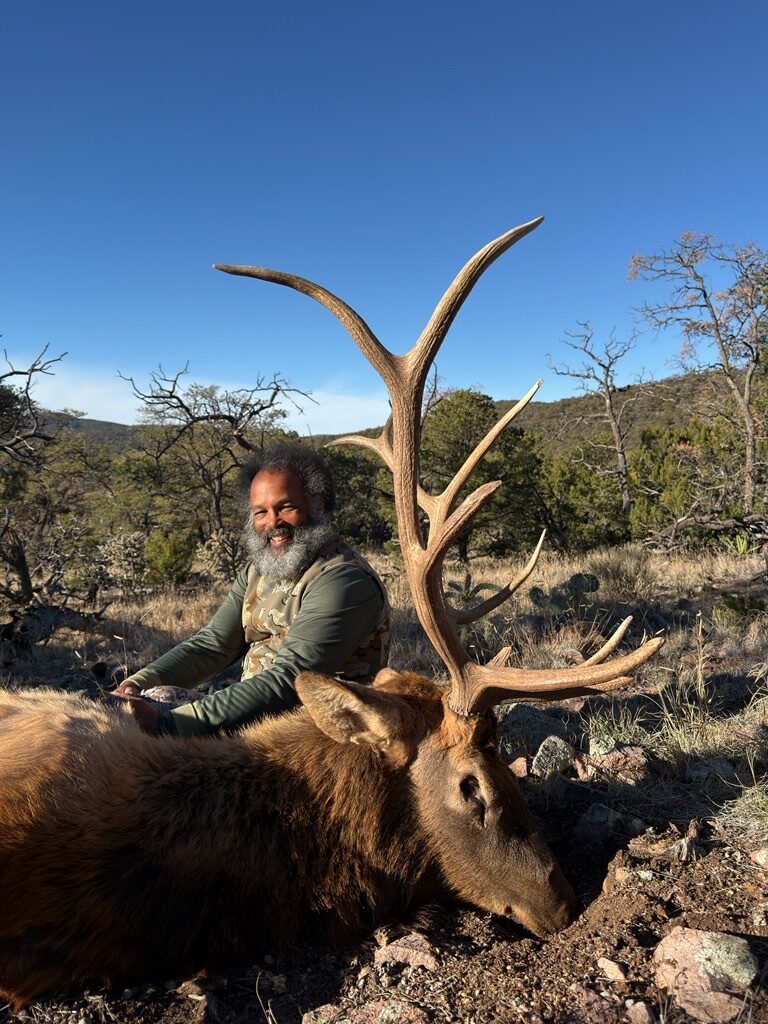
No points to bank, no queue to wait in. A first-time applicant can draw the best unit in the state, and a twenty-year applicant has exactly the same odds.
Read More →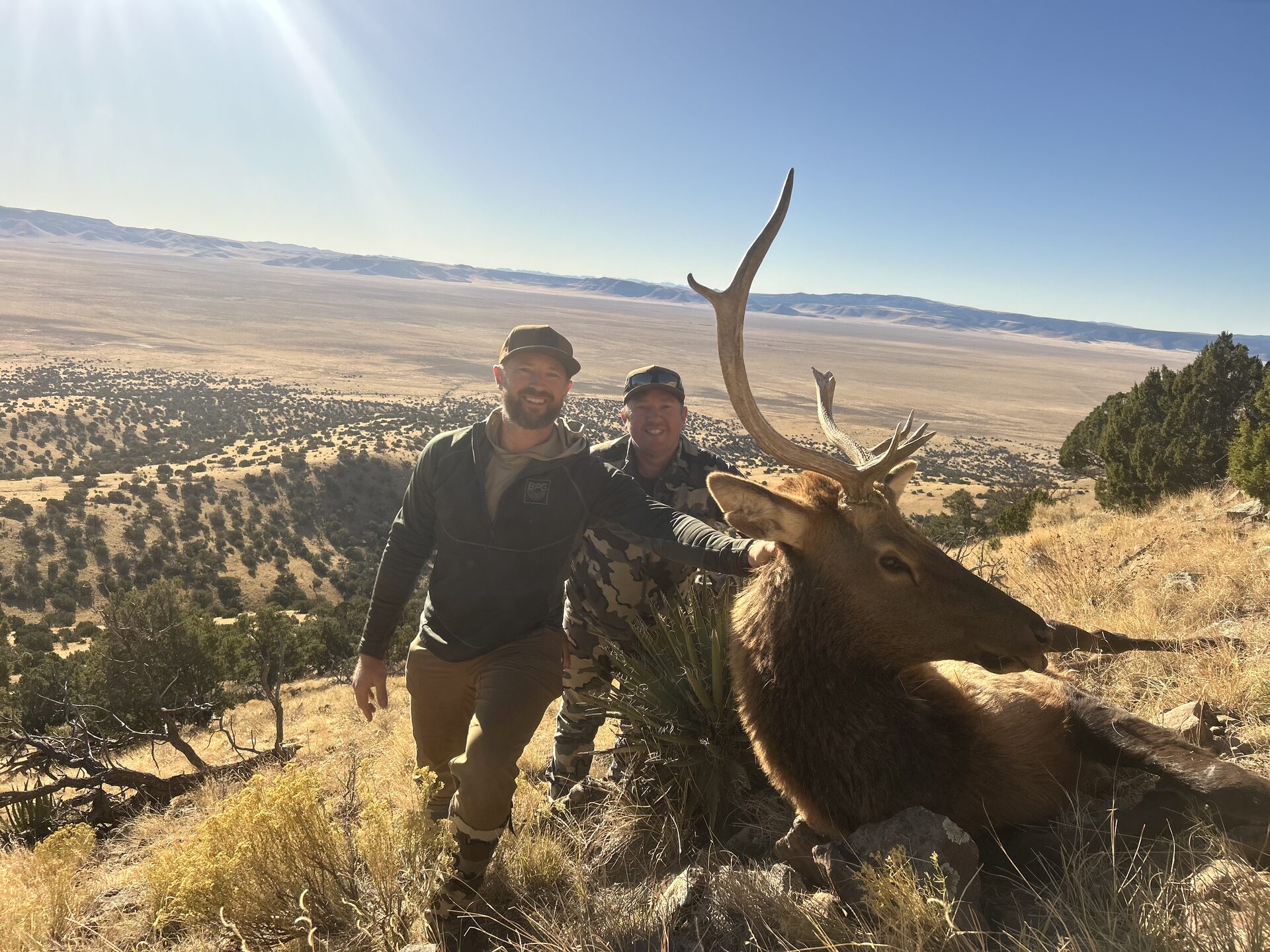
Every draw hunt code splits 84 percent to residents, 10 percent to the outfitter pool and 6 percent to unguided nonresidents. On a small hunt, that math matters.
Read More →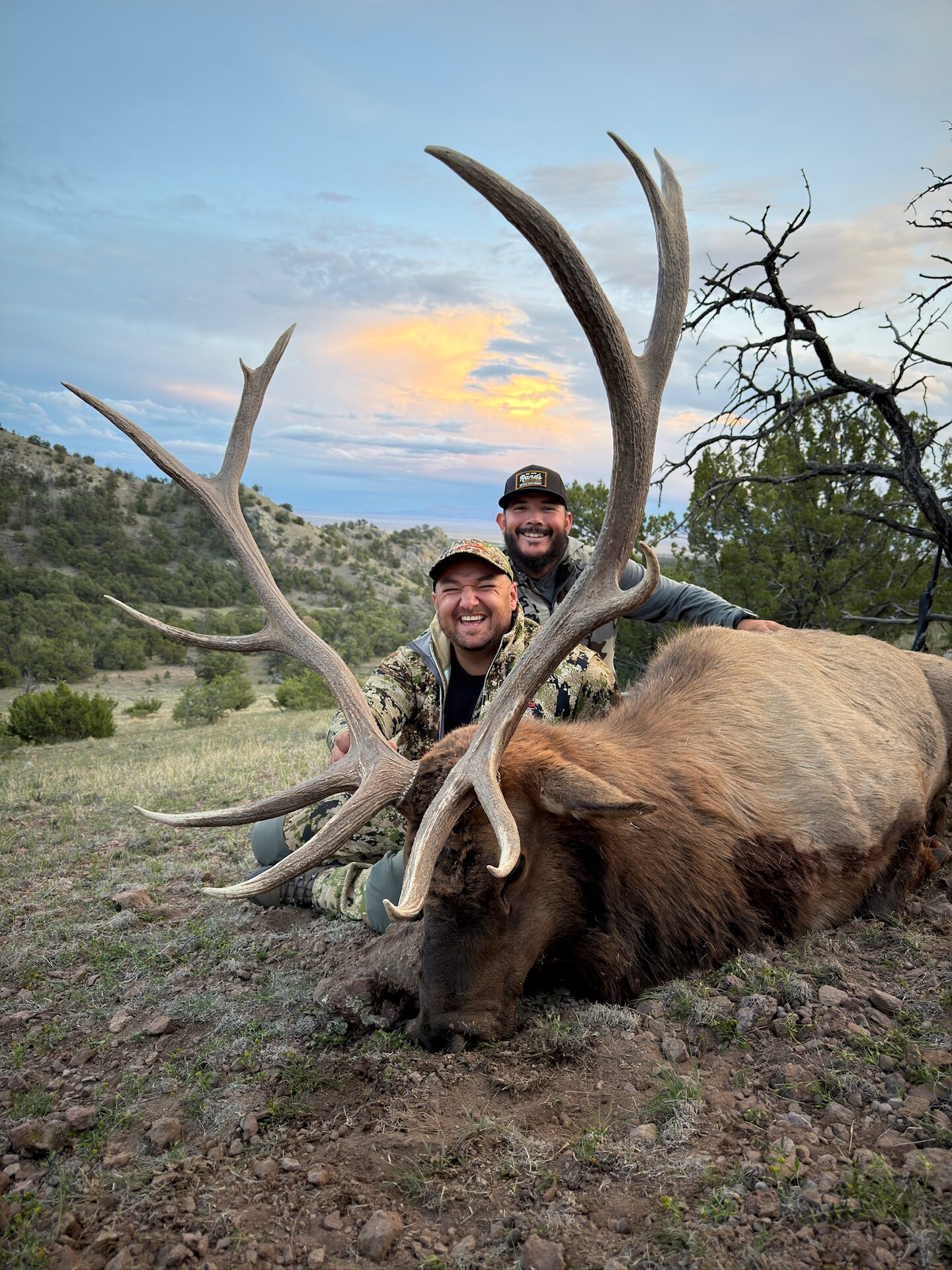
Shooting hours run to a half hour after sunset. That final stretch is some of the most productive time of the day, and most hunters are already walking out.
Read More →
Ready to Go?
Tags are limited and dates fill fast. Let's get your season on the calendar.
Book Your Hunt → or call (575) 315-6107