 LOH OutfittersSouthern New Mexico
LOH OutfittersSouthern New Mexico
LOH OutfittersSouthern New Mexico
Planning your first archery elk hunt out West - particularly in New Mexico - is an exciting decision. But success in the field starts long before the season opens. From properly setting up your bow to understanding broadhead performance on elk, there’s a lot that goes into making the most of your opportunity in elk country.
At LOH Outfitters, we guide bowhunters through some of the most challenging and rewarding elk terrain in the West. This guide breaks down key equipment considerations and archery preparation tips so you can show up confident, capable, and ready to make your shot count.
The most important part of your setup is simple: your bow must fit you properly.
Modern compound bows from any top brand allow for adjustments in both draw length and weight. There’s no excuse for showing up with a poorly fitted rig.
Single pins have grown in popularity - especially out West where shots may vary widely in distance. These sights offer:
Pro Tip: Find the “sweet spot” on your dial. For many archers, a setting like 33 yards will allow hits from 20 to 45 yards by simply adjusting holdover or under. This helps minimize movement when a bull is closing fast.
Downside? You may not have time to dial when seconds count.
Multi-pin sights are more forgiving when:
Common setups include 3- to 5-pin configurations, often starting at 20 yards and increasing in 10-yard increments. The trade-off is a busier sight picture and the risk of choosing the wrong pin under pressure.
Whichever you choose, practice extensively with your sight system so that it becomes second nature.
Arrow choice is more than brand or price - it comes down to spine, length, and durability.
Work with a local pro shop or your outfitter to fine-tune your arrow setup well in advance.
This is where opinions vary - but the key is understanding how each performs on a large-bodied animal like an elk.
If you're hunting elk, a well-placed fixed blade often provides better performance through thick hide and bone - but choose the head that you’re most confident shooting accurately.
Elk are big - kill zones average 18 to 22 inches - but shot placement is still critical. We recommend:
High lung hits are often the most lethal, offering wide margin for error and quick recoveries.
Gear and knowledge are only part of the equation. Your preparation matters most when you’re under pressure, heart pounding, with a screaming bull at 30 yards.
Simulating real hunting conditions in your practice sessions is the fastest way to build confidence and control under pressure.
Your Western bowhunt for elk is likely to be one of the most exciting and challenging hunts of your life. Don’t let gear issues, poor fit, or limited preparation rob you of your opportunity.
At LOH Outfitters, we’re here to help you prepare every step of the way - from gear selection to scouting to shot execution. If you're ready to take on the thrill of a New Mexico archery elk hunt, let us help you make it a hunt you’ll never forget.
Contact us today to plan your bowhunt, talk gear, or secure your spot for the upcoming season.
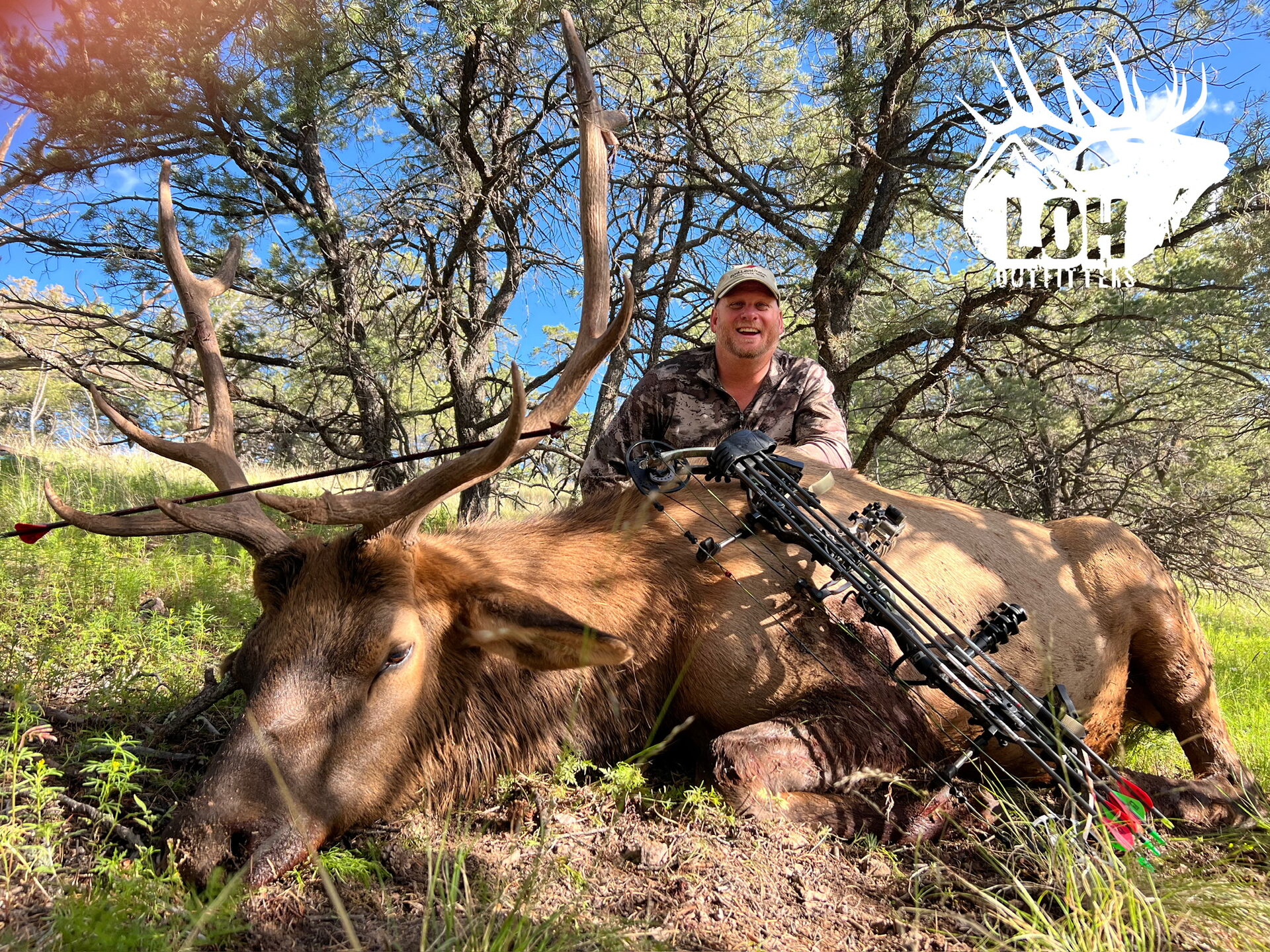
More elk hunt codes run this block than any other in the season. The rut is over, the country is crowded, and here is how to hunt it well anyway.
Read More →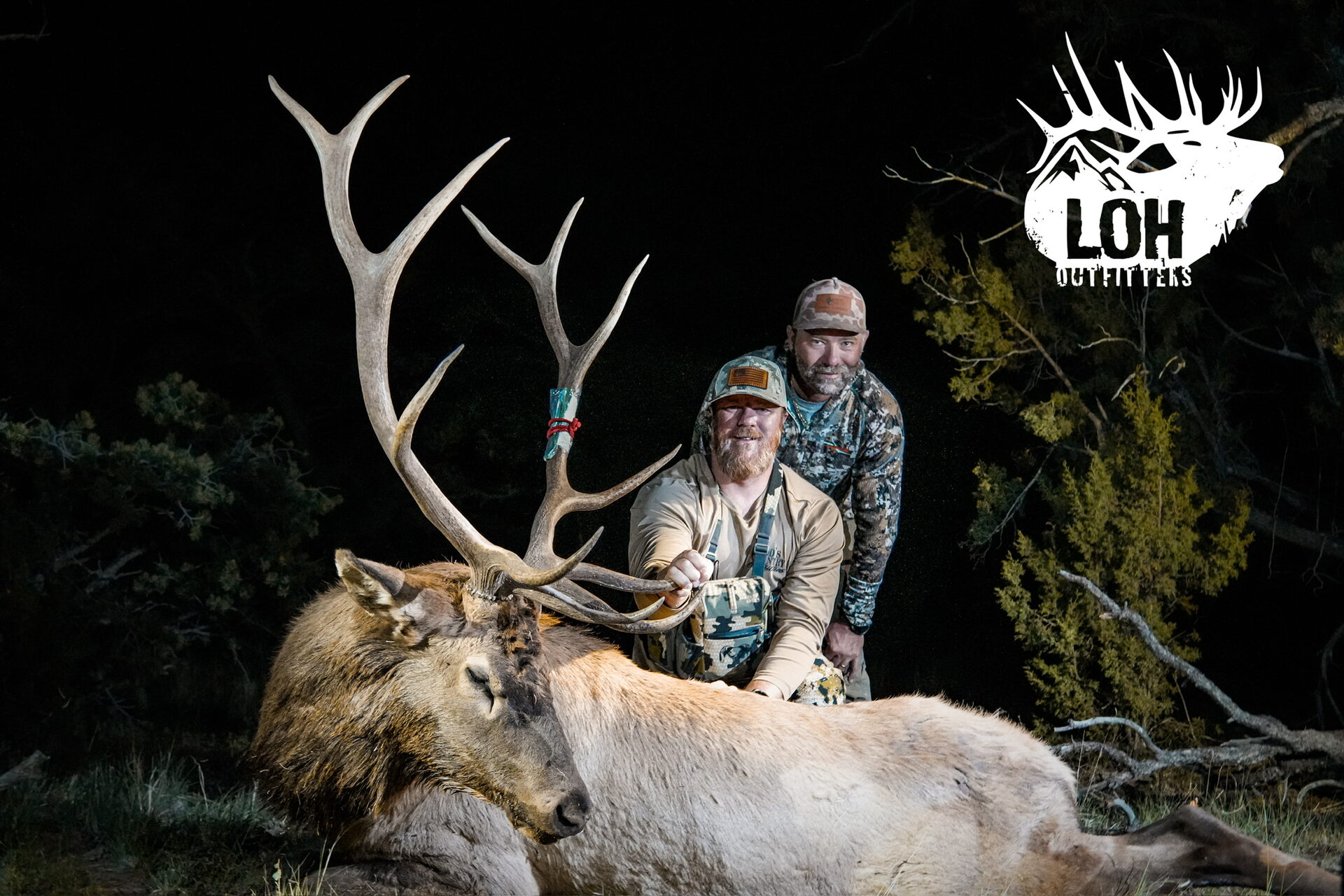
Some of the best elk country in New Mexico has no rifle season at all. That restriction is exactly why those units still produce the bulls they do.
Read More →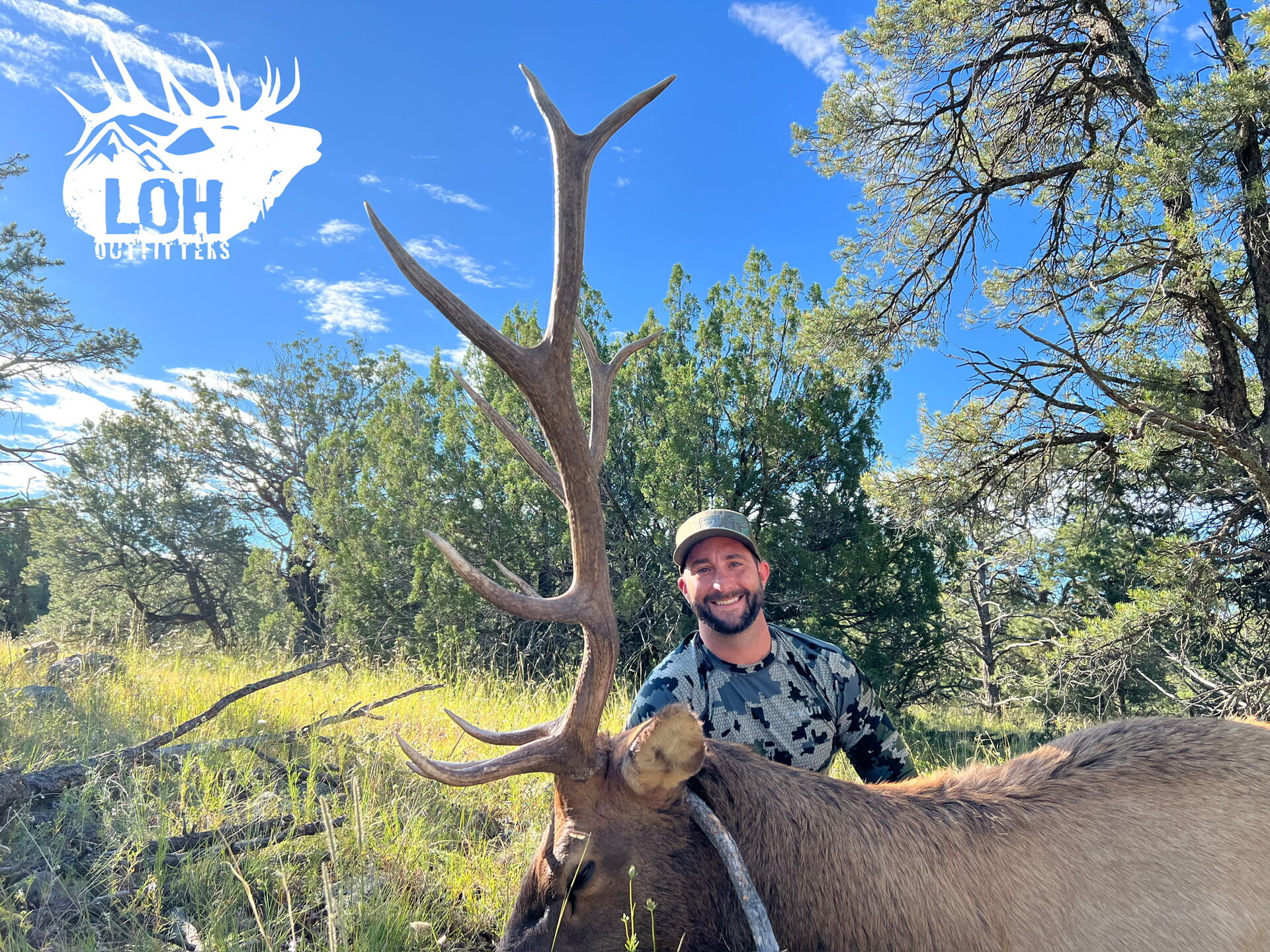
Five days, fixed dates, tied to a unit and a weapon. It catches out-of-state hunters off guard, and it is a big part of why the hunting here stays good.
Read More →
Ready to Go?
Tags are limited and dates fill fast. Let's get your season on the calendar.
Book Your Hunt → or call (575) 315-6107