 LOH OutfittersSouthern New Mexico
LOH OutfittersSouthern New Mexico
LOH OutfittersSouthern New Mexico
New Mexico splits its September archery elk hunting into two separate seasons: September 1 through 14, and September 15 through 24. Your license is good for one of them. Not both, and not the days in between.
Hunters treat that as a scheduling detail. It is not. Those two windows are different hunts, in different stages of the rut, and the second one asks different things of you than the first.
Across the state, roughly 44 draw hunt codes run the first archery season and another 44 run the second. Each code is tied to a specific unit, weapon and bag limit. In the units we guide most heavily, both windows exist. Unit 17, for example, runs archery September 1 through 14 and again September 15 through 24.
That structure matters when you are choosing which to apply for, because the country is not doing the same thing in both.
Early September is pre-rut and early rut. Bulls are vocal but not always committed. They will answer a bugle and then drift, still holding a loose pattern around feed and water rather than chasing cows.
The advantage is predictability. Animals are still on a summer routine. If you have found a wallow or a tank they are using, they are likely to keep using it. Glassing and ambushing water works.
The disadvantage is that calling is less effective than people want it to be. A bull with no reason to fight is not going to walk into a challenge bugle.
The second season usually catches the rut further along, and the difference shows up in three ways.
The trade is straightforward. The first season rewards patience and a good plan. The second rewards reacting to what is in front of you that morning.
If you are still deciding which window suits how you like to hunt, that is exactly the sort of thing we work through with clients before an application goes in. Take a look at our guided New Mexico elk hunts or give us a call and we will talk through it.
Whichever season you draw, a few rules apply to both.
Legal shooting hours in New Mexico run from one half hour before sunrise to one half hour after sunset. That is longer than many hunters assume, and the last twenty minutes of it account for a meaningful share of the opportunities we see every year. Do not pack up early.
Thermals still run the show. Air pulls downhill in the cool and uphill as the slopes heat, and no amount of good calling survives a bull getting your scent. We wrote about how to plan approaches around that cycle in Playing the Thermals.
And September in New Mexico is still hot. Archery season nights run from the mid 30s to around 60, and days from 50 to 80. Layer for a cold, dark walk in and shed before you sweat.
If you want the highest odds of a bull responding to a call, the second season is generally the one to want. If you would rather hunt a pattern you can scout and trust, the first season suits you better.
If you are hunting the second season this year, come in expecting to adapt. The bull you located Tuesday evening may be two drainages away by Thursday, and the hunters who do well are the ones who accept that and go find him rather than sitting on a plan that has expired.
Want help deciding which archery season fits your unit and your style? Contact the team or call (575) 315-6107, and if you already know what you want, you can book your hunt directly.
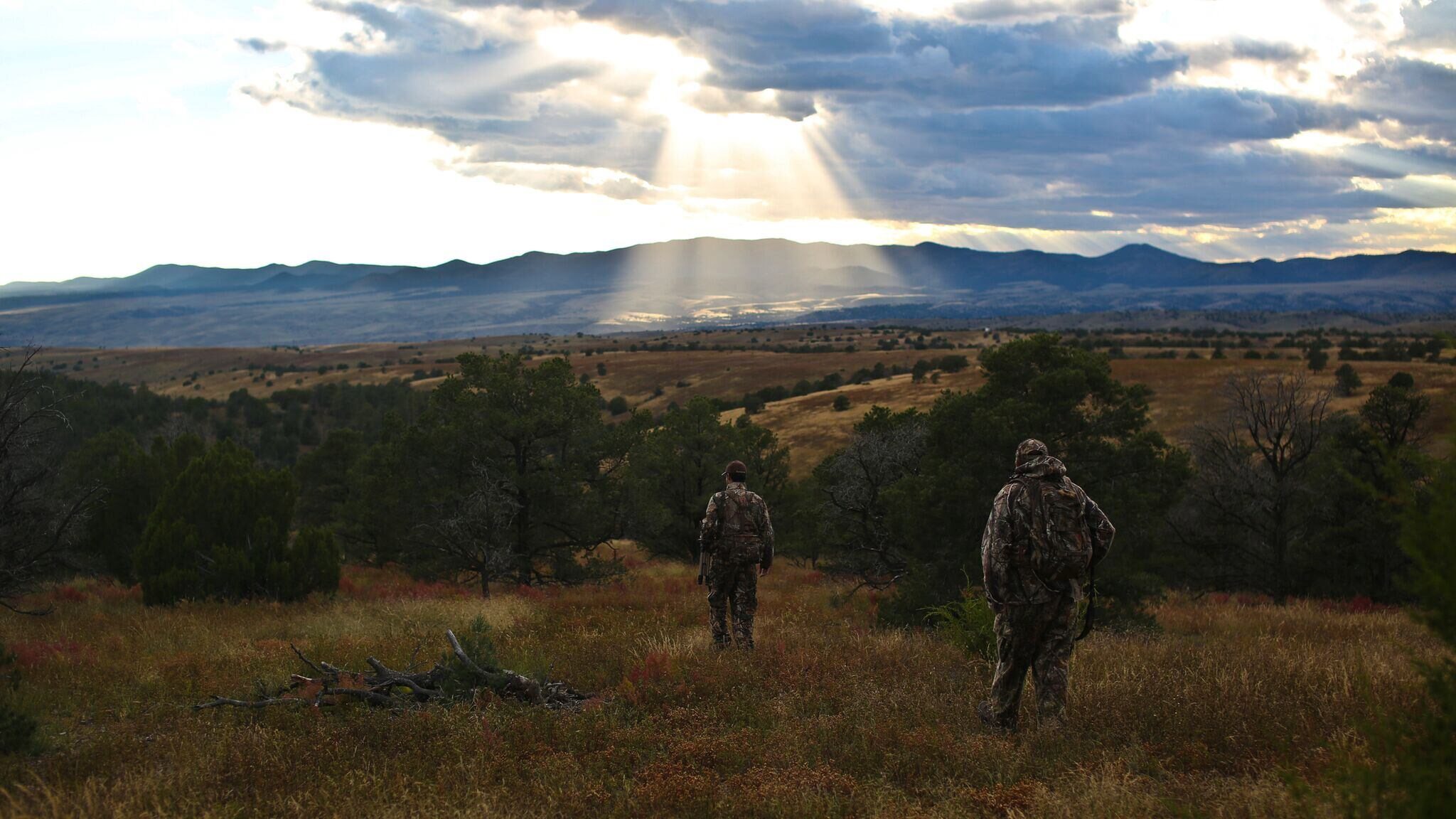
An elk will forgive a lot, but not your scent. In southern New Mexico's steep canyons, reading the daily thermals is the single most critical factor in staying undetected.
Read More →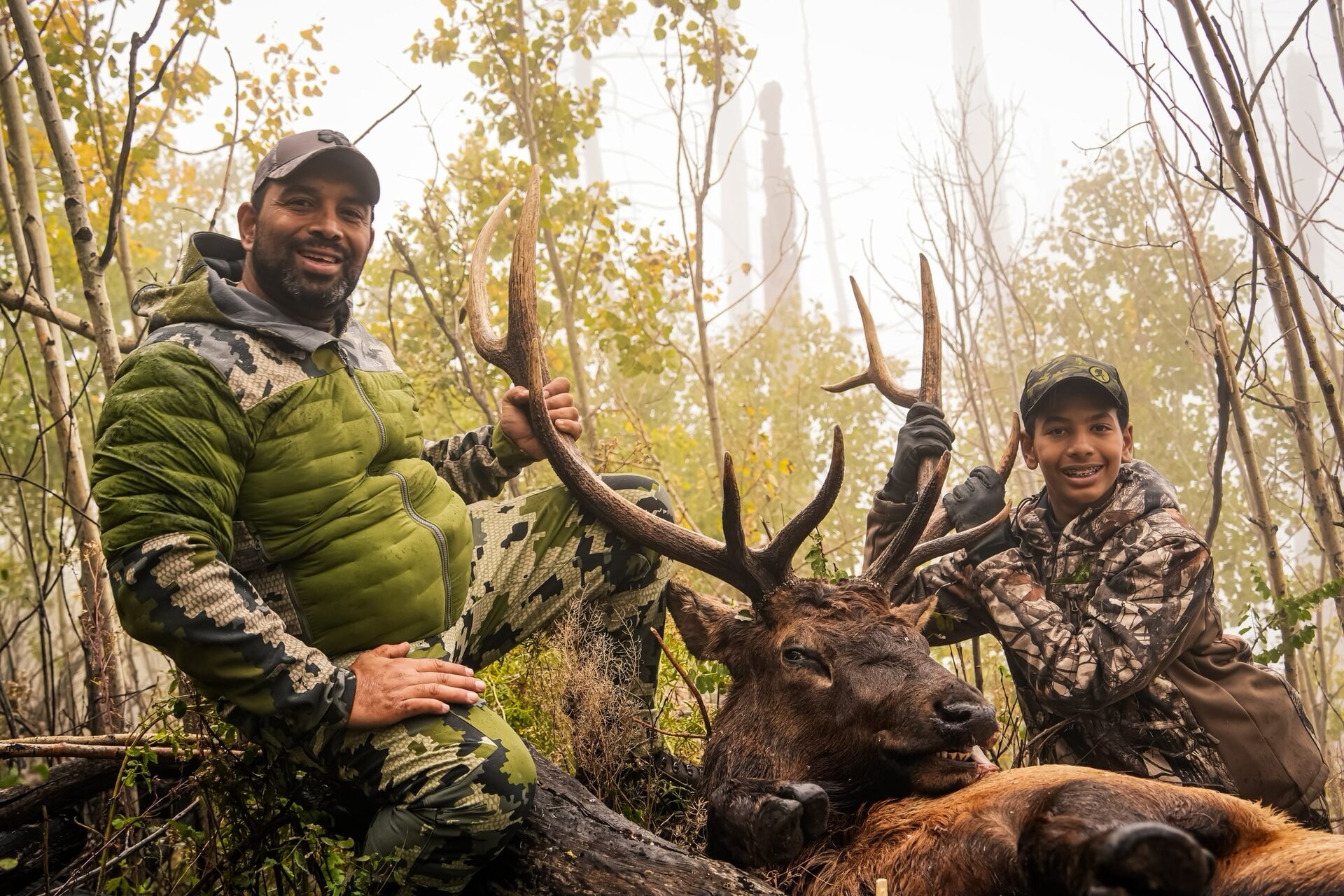
Scopes and red dots are prohibited on muzzleloaders for 2026-2027. In units like 13, 15 and 17, where muzzleloader is the gun season, that changes everything.
Read More →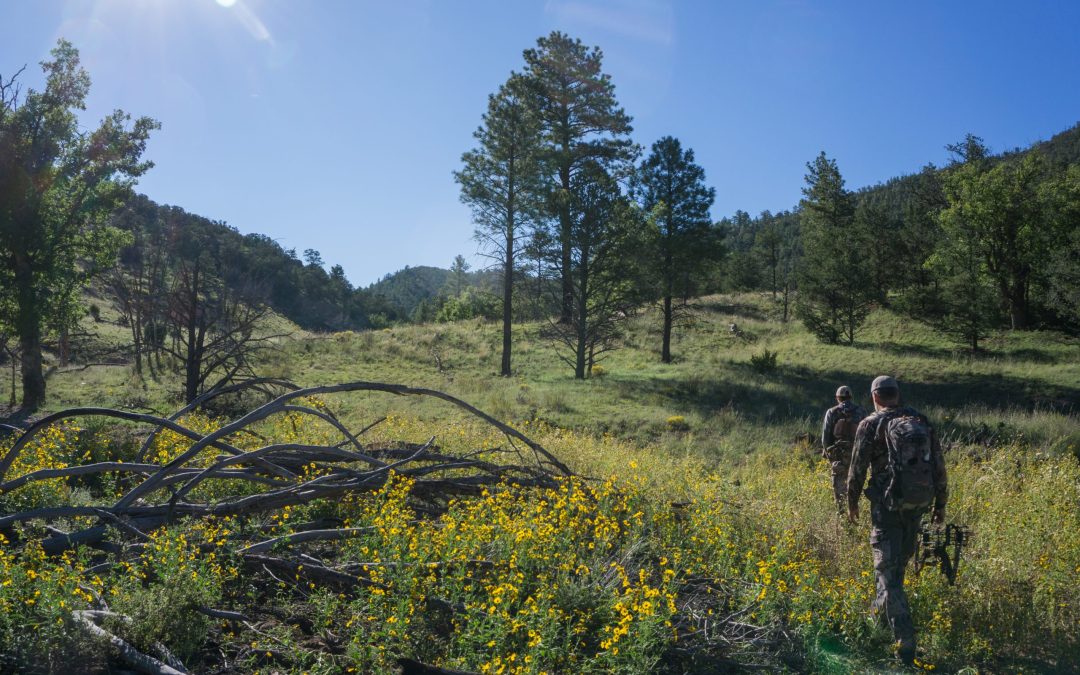
The waiting is over. Camps are set, hunters are arriving, and the country is finally doing what we have spent all summer talking about.
Read More →
Ready to Go?
Tags are limited and dates fill fast. Let's get your season on the calendar.
Book Your Hunt → or call (575) 315-6107