 LOH OutfittersSouthern New Mexico
LOH OutfittersSouthern New Mexico
LOH OutfittersSouthern New Mexico
Most hunters spend months preparing for a hunt. They train, buy gear, shoot regularly, and study maps. But when they finally arrive in elk country or mule deer terrain, they make critical mistakes in the first day that quietly impact the rest of the week.
At LOH Outfitters, we’ve seen it over and over. The difference between a productive hunt and a frustrating one often comes down to how those first 24 hours are handled.
If you want to approach your next hunt the right way from the start, you can contact LOH Outfitters to talk through expectations and strategy before you arrive.
The most common mistake hunters make in the first 24 hours is trying to make something happen immediately.
You’ve been thinking about this hunt for months. You finally arrive. The pressure is on. And instead of observing, learning, and settling in, many hunters push too hard, too fast.
This leads to:
Experienced hunters understand that the first day is not about forcing an outcome - it’s about gathering information.
When you arrive in a new unit or hunting area, everything you do has an impact. Noise, scent, movement - animals notice it.
Many hunters jump straight into aggressive hunting without allowing the area to settle or understanding how animals are currently using the terrain.
Veteran hunters approach the first 24 hours differently. They spend more time:
Slowing down early often leads to better decisions later.
Everyone knows wind matters. But in the first 24 hours, excitement overrides discipline more often than hunters want to admit.
It’s easy to justify a questionable approach when you’ve just spotted your first elk or buck of the trip. But one bad wind decision early can shift animal behavior for days.
Experienced hunters treat wind as the first priority - not the last consideration.
They are willing to walk away from opportunities if conditions aren’t right, especially early in the hunt.
Many hunters arrive with general ideas but no structured approach. They know where they want to go, but not how they want to hunt it.
The first 24 hours expose this quickly.
Without a plan, hunters tend to:
A real plan doesn’t mean rigidity - it means direction. It allows you to adapt without losing purpose.
The emotional side of hunting is strongest at the beginning. Expectations are high. Energy is high. Every encounter feels urgent.
This is when hunters are most likely to:
Experienced hunters stay even. They don’t let a slow start shake them, and they don’t let early excitement push them into mistakes.
The best hunters treat the first 24 hours as a foundation - not a finish line.
They focus on:
Instead of trying to win the hunt immediately, they position themselves to win it over time.
The way you hunt the first day affects everything that follows.
If you push too hard, you can:
If you approach it correctly, you gain:
It’s not about being passive - it’s about being deliberate.
The first 24 hours are where experience shows the most. Knowing when to push, when to sit back, and how to read the situation in real time is not something most hunters learn quickly.
That’s one of the biggest advantages of hunting with a team that understands the area and the animals.
At LOH Outfitters, the first day is never treated as a guessing game. It’s approached with structure, observation, and a plan built from experience.
If you want to approach your next hunt with that level of clarity, you can contact LOH Outfitters and start preparing the right way.
Most hunters think success comes down to a single moment - a shot, a stalk, a decision. But those moments are built on everything that happens before them.
The first 24 hours set the tone.
Rush them, and you spend the rest of the hunt trying to recover.
Handle them correctly, and you build momentum that carries through the entire week.
Slow down. Pay attention. Let the hunt come to you.
Because in most cases, the hunters who win aren’t the ones who move first - they’re the ones who move right.
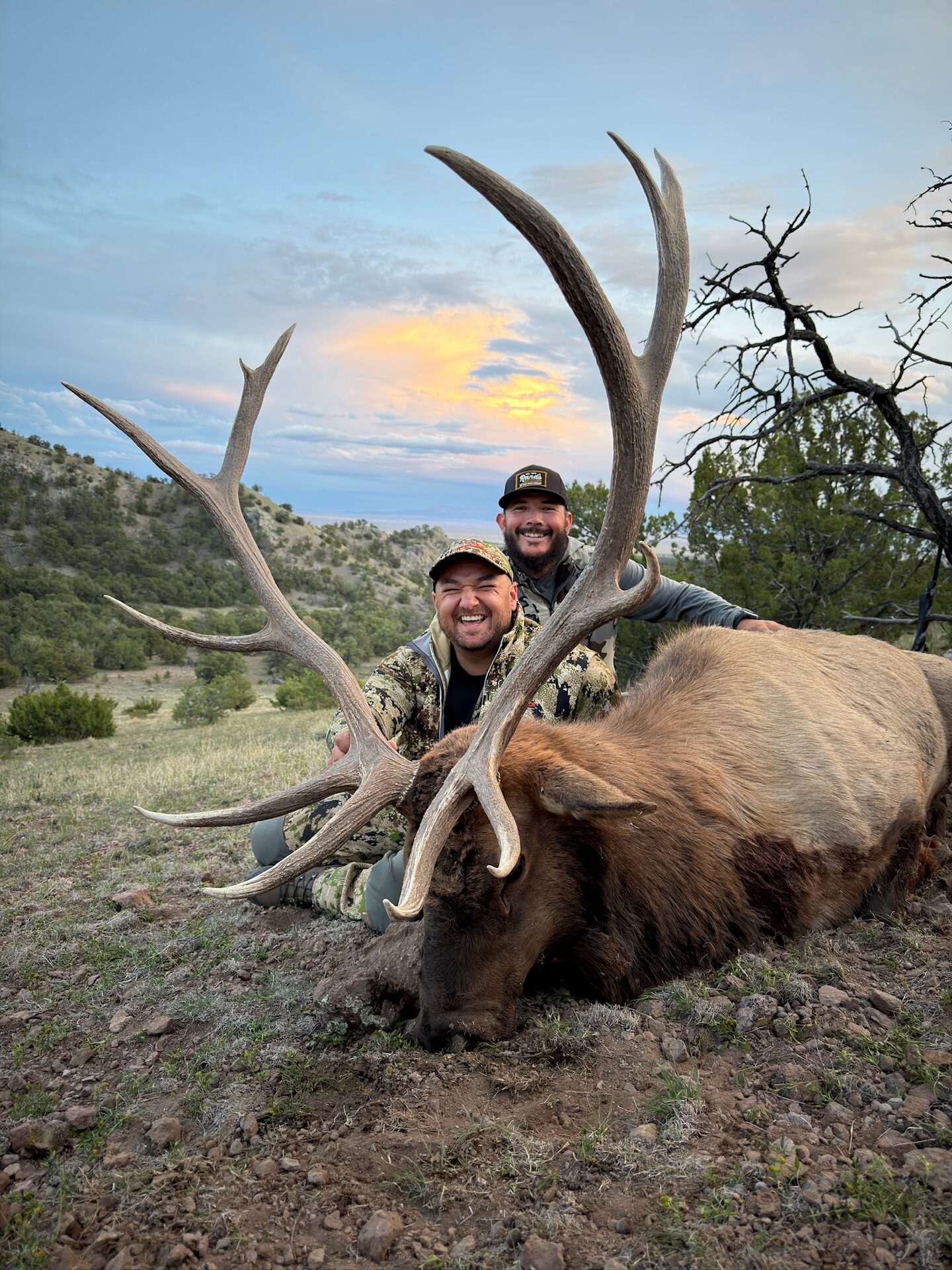
Shooting hours run to a half hour after sunset. That final stretch is some of the most productive time of the day, and most hunters are already walking out.
Read More →
The shot is the part hunters rehearse for months. What happens in the two hours afterward is the part that determines whether you take home meat worth…
Read More →
Hunters preparing for a western hunt tend to pack for cold. It is what the photographs show: frost on the grass, breath in the air, heavy layers on a ridge…
Read More →
Ready to Go?
Tags are limited and dates fill fast. Let's get your season on the calendar.
Book Your Hunt → or call (575) 315-6107