 LOH OutfittersSouthern New Mexico
LOH OutfittersSouthern New Mexico
LOH OutfittersSouthern New Mexico
Booking a guided elk hunt is a major commitment. Time. Money. Travel. Training. For many hunters, especially those planning a New Mexico elk hunt, it may be a once-in-a-lifetime experience.
But too often, hunters focus on the excitement of the season and overlook the planning details that determine whether the experience meets expectations.
Most disappointments on guided elk hunts do not come from lack of effort in the field. They come from mistakes made months earlier - during the booking process.
Here are the biggest mistakes hunters make when booking a guided elk hunt - and how to avoid them.
Social media shows highlight reels. Big bulls. Smiling hunters. Perfect lighting.
What it does not show is:
Booking based solely on trophy photos without understanding the broader picture leads to unrealistic expectations. Ask about consistency, not just the biggest bull taken.
One of the most common misunderstandings involves land type.
Public land guided hunts may involve:
Private land hunts may involve:
If you do not understand which type of hunt you are booking, your expectations may not match reality.
Western elk hunting is physically demanding. Elevation, steep country, and long days are standard.
Many hunters overestimate their readiness. They assume a guided hunt means limited exertion.
It does not.
Ask direct questions about:
Then train accordingly. Physical preparation is your responsibility, not the outfitter’s.
Draw deadlines come early. Landowner authorizations have limited availability. Prime rifle and archery windows fill quickly.
Hunters who begin planning in late summer often find themselves with fewer options and compressed preparation time.
Serious elk hunters begin conversations in late winter or early spring.
Not all guided hunts are structured the same.
Before booking, clarify:
Understanding structure prevents misunderstandings once you arrive.
Every outfitter structures packages differently.
Important questions include:
Clarity eliminates frustration.
Many first-time elk hunters expect nonstop bugling during peak rut.
The reality is more complex. Weather, pressure, and timing affect vocal activity dramatically. Some days are active. Others require patience and strategic positioning.
If you expect a scripted experience, you will be disappointed. Elk behavior is dynamic.
Archery, muzzleloader, and rifle seasons each carry different advantages and challenges.
Archery hunts may offer closer encounters during the rut but require discipline and calling strategy. Rifle hunts may involve longer shots and strategic glassing.
Choosing a season without understanding how it fits your strengths is a common mistake.
Every unit has a typical age structure and harvest profile.
Ask about:
An honest conversation upfront is better than frustration later.
Western elk hunting is not a stand hunt. It is not a short walk from a truck to a tree. It requires adaptability, movement, and mental resilience.
Hunters who approach elk season with whitetail expectations often struggle with pacing, patience, and terrain.
Prepare for a different style of hunting entirely.
The solution is simple: ask better questions and start earlier.
A guided elk hunt should provide clarity, structure, and realistic preparation - not surprises.
If you are considering a guided New Mexico elk hunt and want to understand unit options, public versus private access, season timing, and physical expectations, start the conversation months before opening day.
Contact LOH Outfitters to discuss your goals, timeline, and what a properly planned elk hunt looks like.
The biggest mistakes happen before the season begins. The best hunts are built long before you ever hear a bull bugle.
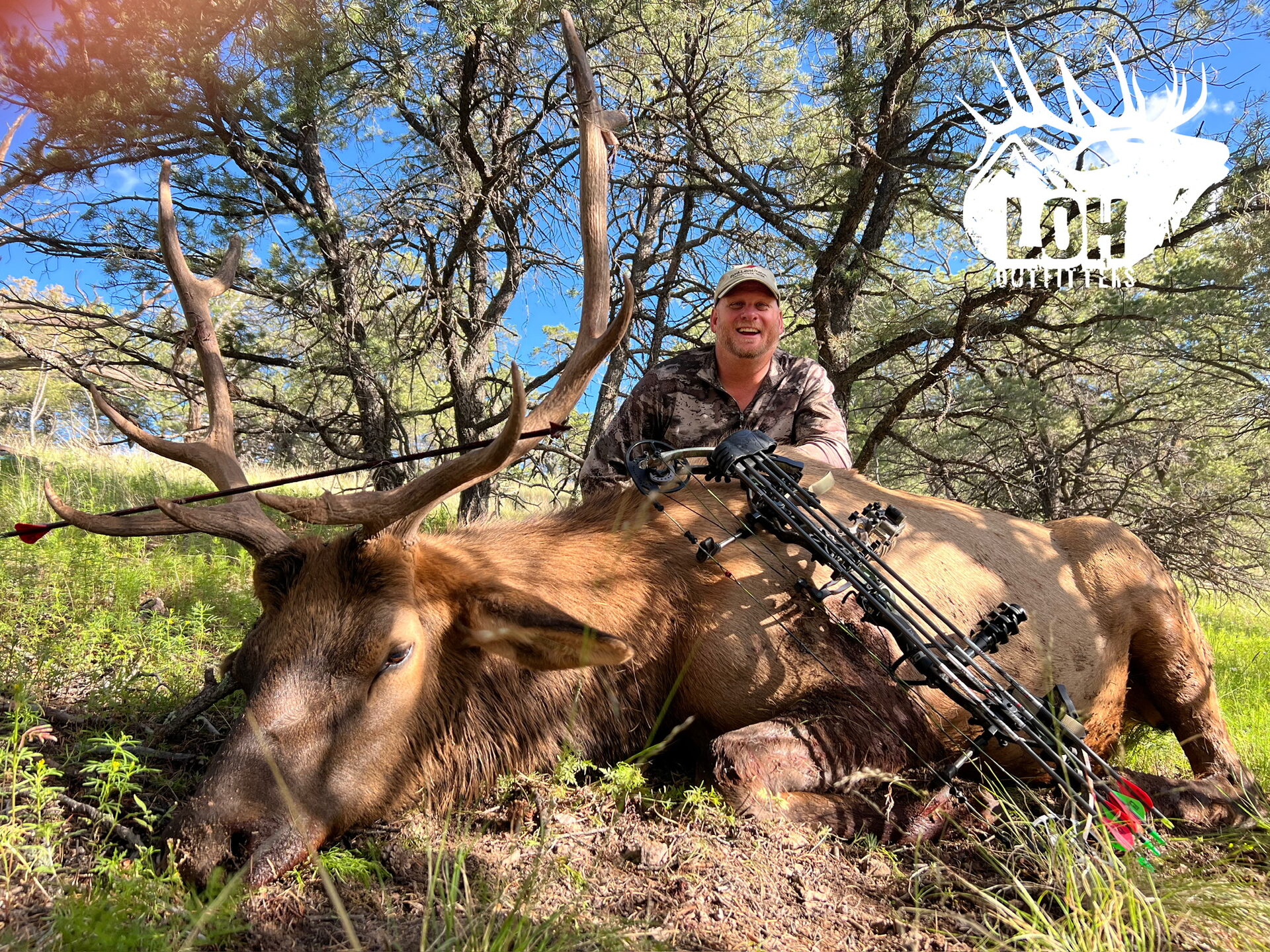
More elk hunt codes run this block than any other in the season. The rut is over, the country is crowded, and here is how to hunt it well anyway.
Read More →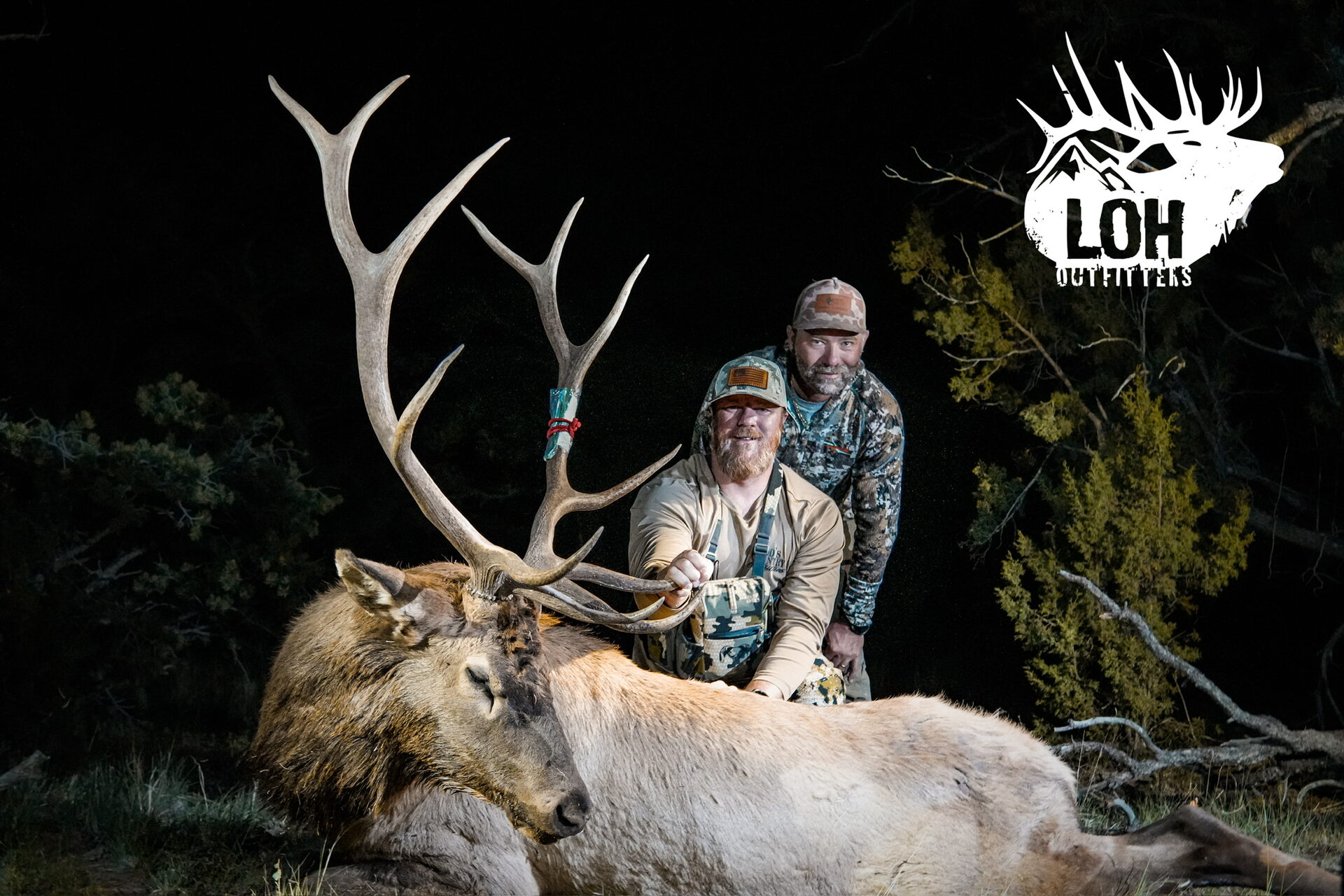
Some of the best elk country in New Mexico has no rifle season at all. That restriction is exactly why those units still produce the bulls they do.
Read More →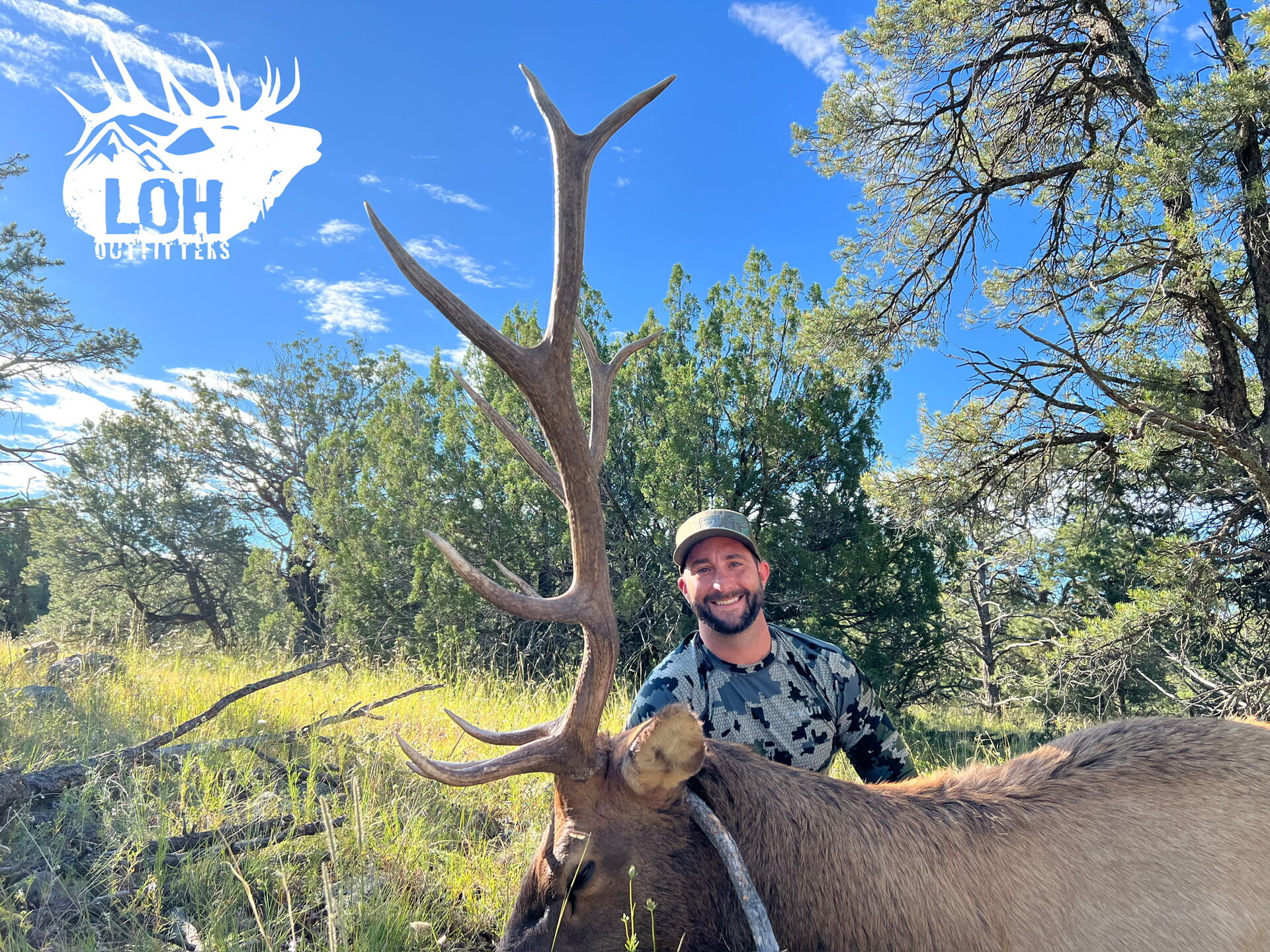
Five days, fixed dates, tied to a unit and a weapon. It catches out-of-state hunters off guard, and it is a big part of why the hunting here stays good.
Read More →
Ready to Go?
Tags are limited and dates fill fast. Let's get your season on the calendar.
Book Your Hunt → or call (575) 315-6107