 LOH OutfittersSouthern New Mexico
LOH OutfittersSouthern New Mexico
LOH OutfittersSouthern New Mexico
July is the month elk season stops being an abstraction. Ninety days is close enough that anything still undone is now a genuine problem, and far enough out that all of it is still comfortably fixable.
This is the checkpoint. Work through it properly now and August becomes calm, which matters more than it sounds, because a calm August means you travel rested instead of arriving already behind.
If you started training in spring, this is the point where you shift from building a base to adding weight and vertical.
Your target is being able to climb steadily under a loaded pack, several days in a row, without needing a full recovery day in between. That back-to-back capacity is what a hunt actually demands, and it is different from being able to do one hard day.
Add hills, add pack weight gradually, and start practicing descents deliberately if you have not been. Descending under load is what wrecks quads and knees, and it is the part almost nobody trains until it hurts them in the field.
If you have not started at all, start today. Ninety days is genuinely enough time to change your hunt, but only if you begin immediately and stay consistent. Three sessions a week from here will put you somewhere very different by September.
Whatever you are hunting with should now be finalized. From this point forward your only job is repetition and confidence.
The hunters who struggle in September are almost always the ones still tinkering in August. New rifle, new arrows, new rest, new broadheads. Every change resets your confidence and there is no longer time to rebuild it.
If your boots are new, they need to be well broken in by now, meaning real miles on real terrain rather than walks around the neighbourhood. If they are old, look honestly at the soles and the midsole and decide whether they will survive a hard week.
Walk in them in the socks you will actually hunt in. Sort out your sock system now, and if you are prone to hot spots, work out which combination prevents them while there is still time to change it.
Feet end more elk hunts than any other single factor, and it is entirely preventable in July.
Confirm travel, confirm your dates, and confirm your licensing is fully handled. If any part of the New Mexico Game & Fish process is still outstanding, our license and tag walkthrough takes you through it step by step, including printing the forms you must physically bring with you.
Also worth closing out now: that your balance is scheduled, that you know exactly where and when you are meeting us, and that you have read the directions to Magdalena. Cell service thins out west of Socorro, and sorting your route in advance saves a genuinely stressful arrival.
Anything unclear? Message us now rather than in September. July questions are easy to answer thoughtfully. September questions are urgent, and by then we are in the field with limited signal.
Actually lay it out on the floor. Not a mental inventory, not a list, the real thing spread out where you can see it.
You will find the headlamp with dead batteries, the rain shell you lent someone last winter, the pack strap that failed on the last trip and never got fixed, and the base layer that has a hole in it. Finding those in July costs you an online order. Finding them in camp costs you part of a hunt.
Test the things that need testing. Turn on the headlamp and the GPS. Check that your water filter or bottles are clean. Make sure your pack is actually adjusted to you rather than to whoever handled it last.
Our gear list covers layering for New Mexico's genuine range of conditions, which can run from hot afternoons to freezing mornings within the same week and occasionally the same day.
This is the part hunters consistently leave until it is a problem.
Decide now how meat is getting home. Which processor, whether you are shipping or driving, what coolers or freezer space you need, and what it will take to keep it cold. Field preparation of game is included on our hunts, but meat processing and shipping are not, and the details are on our hunt terms page.
If you intend to mount the animal, decide that now and tell us before the hunt. It changes how the animal is handled from the very first cut, and in warm weather a cape can be ruined quickly. It is far easier to plan for than to fix.
Start thinking realistically about what the hunt will ask of you. Long days, early mornings, sustained physical work, and stretches where absolutely nothing happens.
Hunters who arrive expecting constant action get discouraged on day two when it turns out that elk hunting involves a great deal of looking at empty country. Hunters who arrive expecting to work, and prepared to keep their heads up through the slow parts, are the ones still hunting well on day five when it finally comes together.
Most seasons come down to a handful of minutes. Those minutes arrive without warning, and frequently on the day you were most tempted to ease off.
Everything on this list is straightforward, and none of it requires talent, luck or a great deal of money. It requires doing unremarkable things on a schedule while the season is still far enough away that it does not feel urgent.
That is the whole trick, and it is why the hunters who use July well tend to be the ones who look composed in September.
Still need to lock in dates for this season? Book your New Mexico elk hunt or call (575) 315-6107.
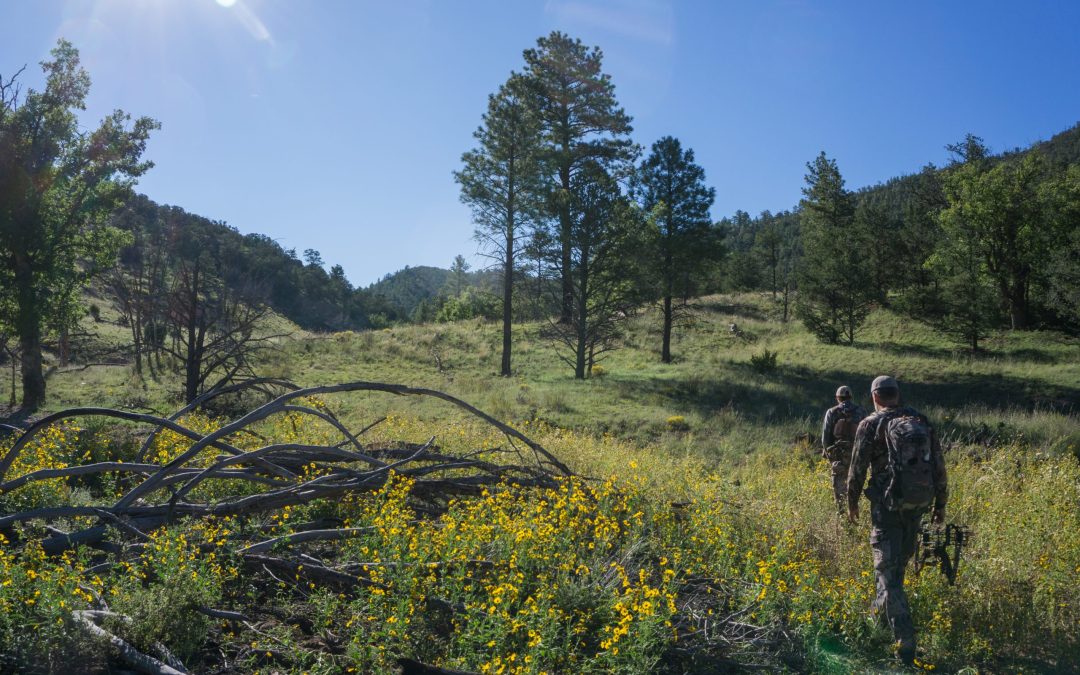
The waiting is over. Camps are set, hunters are arriving, and the country is finally doing what we have spent all summer talking about.
Read More →
Everyone wants to hunt the rut. Bulls screaming, coming to a call, making mistakes they would never make in October. It is the elk hunting that fills videos…
Read More →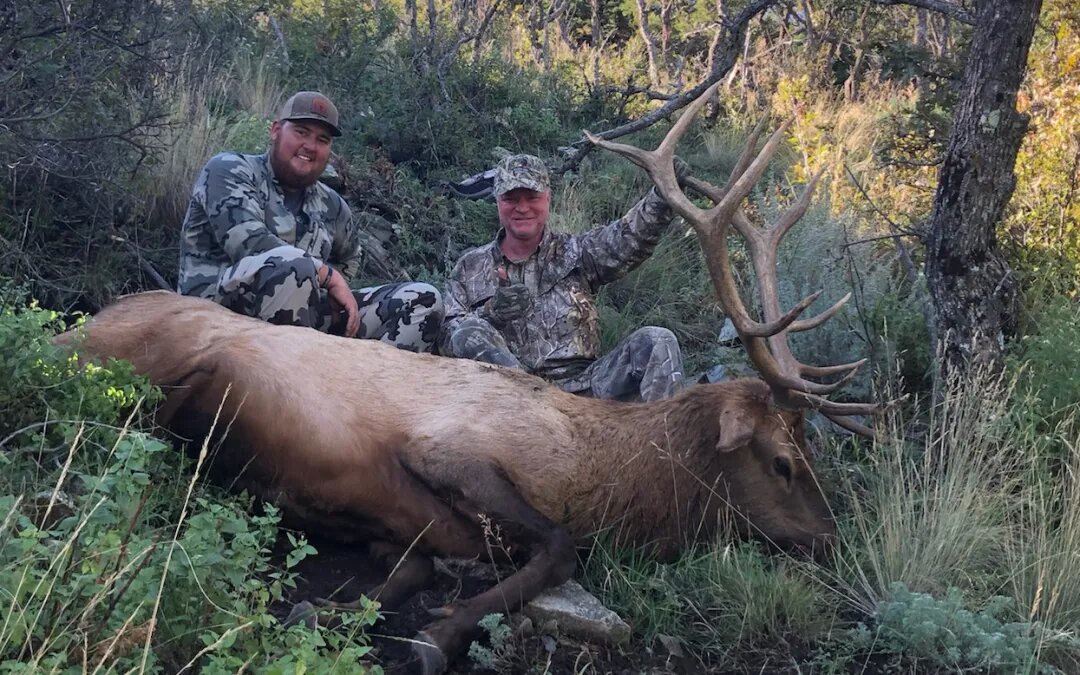
Draw results land, your name is on a tag, and the season suddenly feels real. Then most hunters do nothing for two months.
Read More →
Ready to Go?
Tags are limited and dates fill fast. Let's get your season on the calendar.
Book Your Hunt → or call (575) 315-6107