 LOH OutfittersSouthern New Mexico
LOH OutfittersSouthern New Mexico
LOH OutfittersSouthern New Mexico
Everyone wants to hunt the rut. Bulls screaming, coming to a call, making mistakes they would never make in October. It is the elk hunting that fills videos and it is what most people picture when they book a September hunt.
But the days before that, the pre-rut, are their own hunt with their own rules. Hunters who show up expecting September twentieth behaviour in late August tend to spend a frustrating week calling to bulls that will not answer and wondering what is wrong with the country.
Nothing is wrong. The elk are simply not there yet, and hunting them as though they are is the fastest way to push them out of the drainage.
In the pre-rut, bulls are still largely in bachelor groups or alone. Cows are still in their summer groups with calves. The whole system is organised around feed, water and temperature rather than breeding.
Bulls are vocal, but they are not committed. You will hear bugling, usually concentrated at first and last light, and you will hear bulls that answer once and then go completely quiet. They are talking, not searching. A bugle in this period is closer to a location call than a challenge, and treating it as an invitation is where hunters go wrong.
You will also see more daylight movement in open feed than you will three weeks later, because bulls are not yet spending their energy on cows and are still on a fairly ordinary summer schedule.
That single distinction, talking versus searching, changes everything about how you hunt them.
In the pre-rut, aggressive calling frequently pushes bulls away rather than pulling them in. They are not looking for a fight, they are not looking for a cow, and a bull that has no reason to close has every reason to leave.
What works instead is playing the routine. Pre-rut elk are highly patternable precisely because their days are built around predictable physical needs rather than unpredictable breeding behaviour:
Find where those three connect and you have found the hunt. The move is to sit the route rather than chase the sound, which requires patience and is considerably less exciting than running at a bugle. It also works far more often.
Where calling does have a place is soft and sparing. Quiet cow calls to settle a situation, or a single locator bugle to find a bull you then go and hunt on his terms rather than trying to bring him to yours.
This is true all season, but it is completely unforgiving in the pre-rut, because a bull that is not distracted by breeding has no reason to tolerate anything unusual.
In mountain country, thermals dominate over prevailing wind. Air moves downhill in the cool of the early morning and evening as it sinks, and uphill as the day heats and the air rises. That cycle is more reliable than any forecast and it flips predictably around sunrise and sunset.
Plan your approach around that cycle, not around the wind direction on your phone. The practical result is that morning approaches usually work from below, moving up as the thermals begin to rise, and evening setups often need you above the animals.
A bull that winds you in the pre-rut does not spook and settle a ridge over the way a rutting bull sometimes will. He leaves, and he takes the information with him.
Pre-rut hunting rewards a slower pace than most hunters naturally adopt.
Because the animals are patternable, the winning approach is usually to locate from a distance, understand the routine, and then position for it, rather than covering ground looking for a reaction. Glass more than you walk. Get into position earlier than feels necessary. Sit longer than is comfortable.
Every unnecessary movement through the country costs you. Bumping animals in the pre-rut moves them out of a pattern you have spent two days learning, and they may not re-establish it before your hunt ends.
Pre-rut hunting is quieter and more deliberate, and it has genuine advantages that get overlooked in the rush to book peak rut dates.
There is typically less hunting pressure. Bulls are still in predictable summer patterns rather than roaming unpredictably with cows, which makes them findable in a way they simply are not two weeks later. The animals are often in more accessible country before the rut and hunting pressure combine to push them into the worst terrain available. And the weather is generally more pleasant for actually being out.
It rewards glassing, patience and good decisions rather than luck and volume of calling. For hunters who enjoy the spot and stalk style, it is frequently the better week.
Not sure which part of the season fits how you like to hunt? Talk it through with us. We will tell you honestly what each set of dates typically offers rather than selling you the dates that sound most exciting.
The transition from pre-rut to rut is not gradual. It frequently happens over the course of a few days, and there is nothing quite like being in the country when it does.
Bugling picks up through the middle of the day rather than only at dawn and dusk. Bulls begin answering and closing rather than talking and drifting away. Cows become harder to keep together. Wallows that were quiet suddenly get used hard. The whole mountain changes character, and it can happen between one morning and the next.
Hunters who booked the pre-rut, hunted it patiently on its own terms, and then caught the leading edge of that switch tend to describe it as the best week of hunting they have ever had. They got the accessible, patternable early hunting and then the first days of the rut in the same trip.
The hunters who struggle are the ones who spent the first four days hunting the rut that had not arrived yet, and burned the country doing it.
Ready to pick your dates for the season? See our New Mexico elk hunts, book your hunt, or call (575) 315-6107.
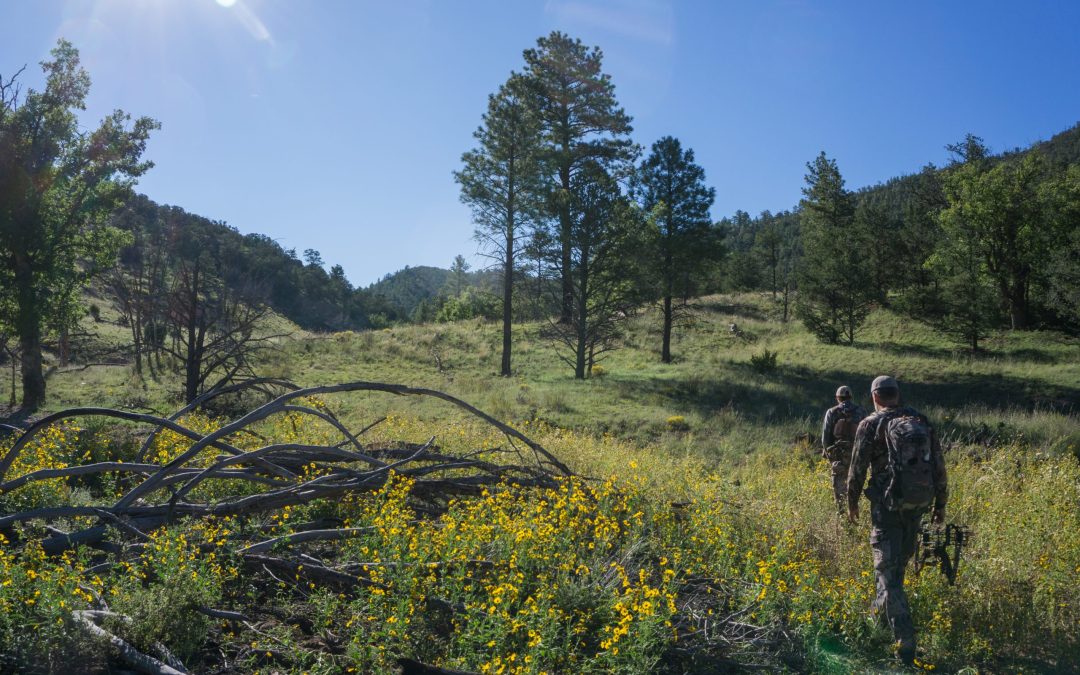
The waiting is over. Camps are set, hunters are arriving, and the country is finally doing what we have spent all summer talking about.
Read More →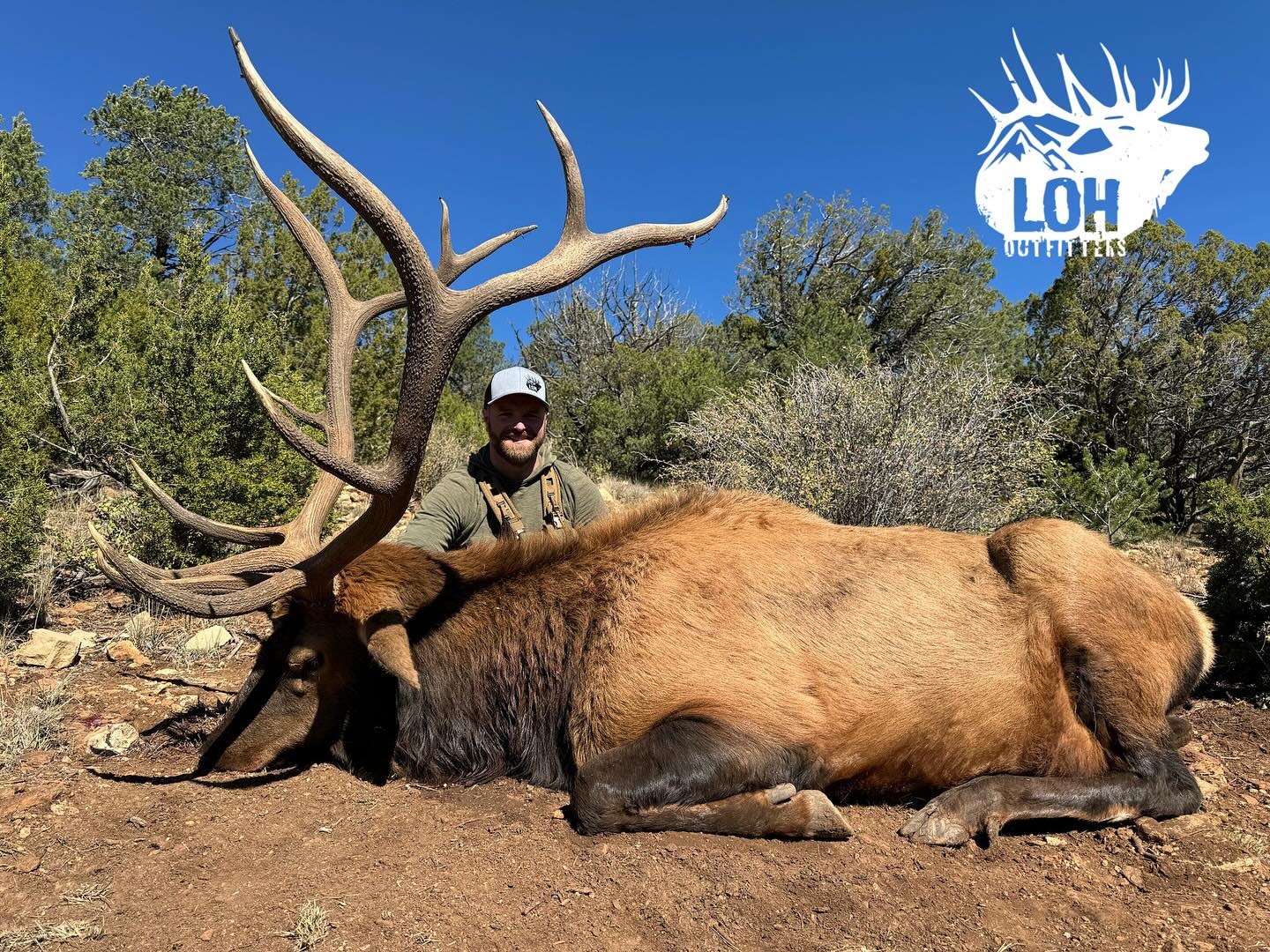
July is the month elk season stops being an abstraction. Ninety days is close enough that anything still undone is now a genuine problem, and far enough out…
Read More →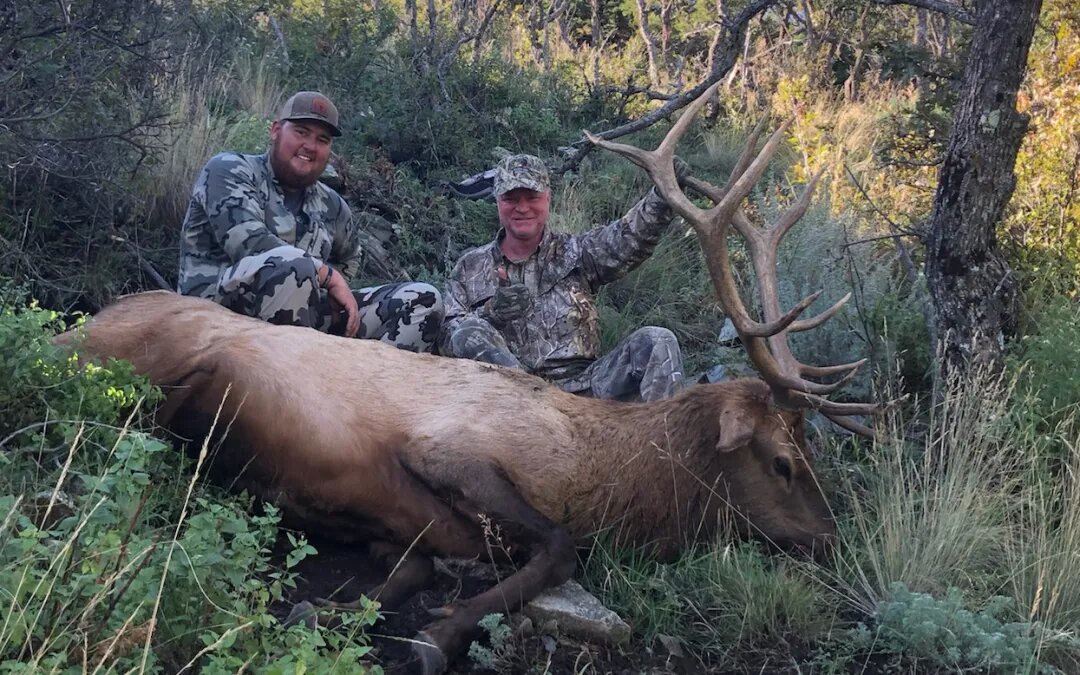
Draw results land, your name is on a tag, and the season suddenly feels real. Then most hunters do nothing for two months.
Read More →
Ready to Go?
Tags are limited and dates fill fast. Let's get your season on the calendar.
Book Your Hunt → or call (575) 315-6107