 LOH OutfittersSouthern New Mexico
LOH OutfittersSouthern New Mexico
LOH OutfittersSouthern New Mexico
Javelina hunting in New Mexico is often overlooked by hunters focused on elk or mule deer. That is a mistake.
While javelina may not carry the body size of larger Western species, they offer a fast-paced, tactical hunt that demands awareness, discipline, and solid execution. For many hunters, especially those traveling from out of state, a javelina hunt can be one of the most engaging and underrated experiences in the Southwest.
If you are researching a New Mexico javelina hunt, this guide will walk through how they behave, what terrain to expect, tag structure, preparation considerations, and whether a guided hunt makes sense.
Javelina, also known as collared peccary, are social animals that typically travel in groups called sounders. Unlike solitary big game species, encountering one often means encountering several.
They inhabit brush-heavy desert terrain and foothill country across southern New Mexico. Their preferred environments include:
Because of this habitat preference, javelina hunts tend to be more intimate and tactical than wide-open glassing hunts.
Javelina rely heavily on smell and hearing, but their eyesight is limited compared to species like elk or oryx. This creates an interesting dynamic: wind direction becomes critical, and shot opportunities can develop quickly once a group is located.
Hunters should expect:
Because they travel in groups, patience is required before taking a shot. Identifying a clear lane and the correct animal within the group matters.
New Mexico offers javelina seasons that typically occur in fall and early winter, depending on the unit and weapon type.
Tags may be available through:
Compared to elk or oryx, javelina tags can be more accessible in certain units. However, planning early still matters. Understanding season windows is especially important for hunters considering stacking species during the same trip.
Javelina hunts are often less elevation-driven than elk hunts, but they are not casual walks.
Expect:
The physical challenge is less about vertical gain and more about steady, controlled movement through difficult terrain.
Because javelina are often encountered at closer distances, many hunters pursue them with rifles, muzzleloaders, or archery equipment.
Key preparation points include:
Shot angles can shift quickly as groups move through brush. Staying composed under fast-developing scenarios is important.
For hunters new to the Southwest, javelina hunts provide a manageable introduction to desert terrain and spot-and-stalk tactics.
They offer:
That makes them an excellent standalone hunt or a secondary species added to a larger trip.
One of the advantages of hunting javelina in New Mexico is flexibility. Depending on season alignment, hunters may combine a javelina hunt with other species such as oryx, mule deer, or even certain elk hunts in adjacent windows.
When planned correctly, stacking species can maximize travel investment and expand the overall experience.
However, combining hunts requires careful attention to tag timing and logistics. Rushing between areas without a plan reduces opportunity.
While some hunters pursue javelina on their own, a guided hunt can provide several advantages:
Especially for non-resident hunters unfamiliar with southern New Mexico terrain, guided structure improves efficiency and increases opportunity during limited hunt windows.
Javelina hunts are active and engaging. They are not long sits in one location. Success often comes from steady movement, careful glassing into brush pockets, and reacting calmly when groups appear.
They are smaller animals, but they are alert and capable of disappearing into cover quickly when pressured.
Preparation, wind awareness, and disciplined shot execution determine outcomes.
If you are considering a javelina hunt, early planning remains important. Understanding unit selection, tag options, and season timing ensures your hunt aligns with travel and preparation goals.
Whether as a standalone experience or part of a larger multi-species trip, javelina hunting offers a distinct Southwest challenge.
If you want to discuss tag availability, season timing, or how a javelina hunt fits into a broader New Mexico strategy, reach out early in the planning cycle.
Contact LOH Outfitters to discuss upcoming javelina hunt options and preparation guidance.
Strong hunts are built on preparation, not chance.
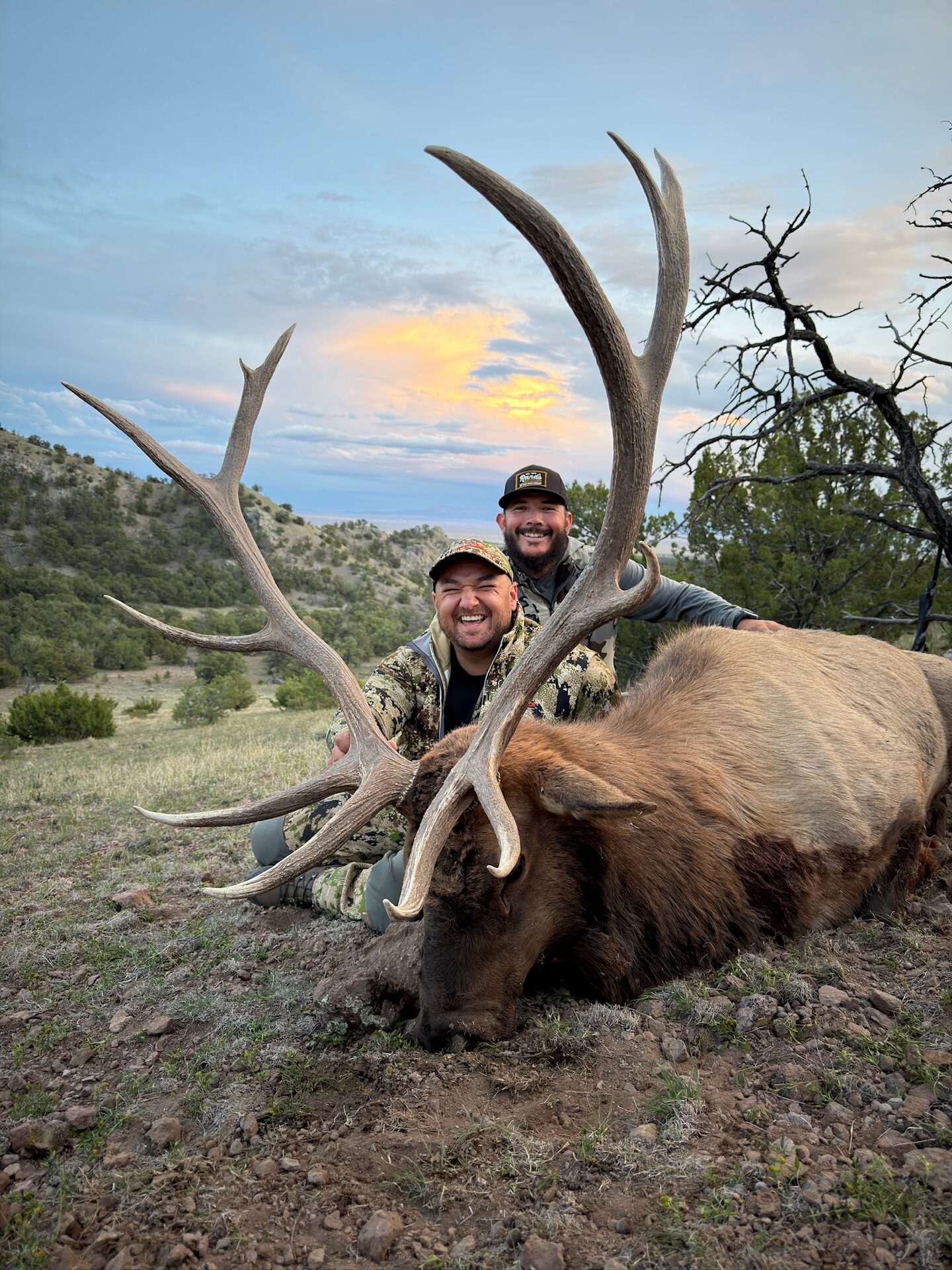
Shooting hours run to a half hour after sunset. That final stretch is some of the most productive time of the day, and most hunters are already walking out.
Read More →
The shot is the part hunters rehearse for months. What happens in the two hours afterward is the part that determines whether you take home meat worth…
Read More →
Hunters preparing for a western hunt tend to pack for cold. It is what the photographs show: frost on the grass, breath in the air, heavy layers on a ridge…
Read More →
Ready to Go?
Tags are limited and dates fill fast. Let's get your season on the calendar.
Book Your Hunt → or call (575) 315-6107