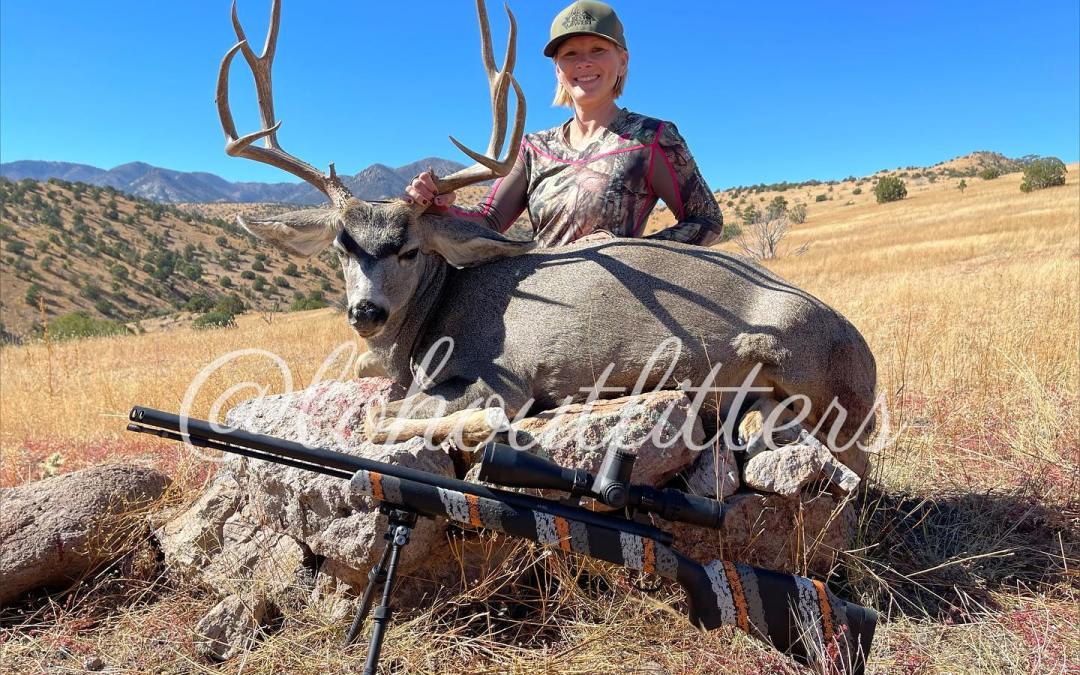
One of the biggest challenges Western hunters face is making a quick and accurate field judgment when a big bull or buck steps into view. Whether you're chasing trophy elk or mature mule deer in New Mexico, being able to evaluate antler size, body characteristics, and maturity on the spot can mean the difference between tagging the animal of a lifetime - or letting a great opportunity walk away.
At LOH Outfitters, we help hunters every year size up elk and mule deer in real time. Here’s what you need to know about field judging elk and mule deer, including key features to focus on, common mistakes to avoid, and how to improve your scoring ability before your hunt.
Why Field Judging Matters
Field judging is critical because:
- You often have only seconds to decide whether to shoot.
- Antler size can look bigger or smaller than reality based on angles and lighting.
- Not every bull or buck that looks "big" at first glance is truly a mature trophy.
- Knowing how to judge quickly and accurately helps you stick to your goals and make ethical harvest decisions.
Going into the hunt with clear expectations - and the skills to evaluate what you see - is essential for success.
How to Field Judge Elk
When it comes to elk, antler size is often the focus, but body size, age, and symmetry are just as important for true trophy quality.
Key Things to Look for When Judging Elk:
1. Main Beam Length
- A mature bull’s main beams typically extend past the nose when viewed from the side.
- Look for beams that sweep back and curl upwards, forming a classic "c-shaped" rack.
2. Mass
- Trophy bulls have heavy, thick beams - especially noticeable at the bases.
- Weak, spindly antlers usually belong to younger bulls.
3. Point Length and Number
- Six points per side (6x6) is the benchmark for mature bulls.
- Look for long fourth and fifth points - also known as the "sword" points.
4. Body Size and Features
- Mature bulls appear blocky, stocky, and pot-bellied.
- Look for a large hump over the shoulders, a thick neck, and less sleekness compared to younger bulls.
Quick Field Scoring Tip for Elk:
- A 300-class bull often has beams that stretch well past the nose, decent mass, and six points per side.
- 330+ bulls have longer beams, strong sword points, and heavier mass.
- Truly giant 350-370 bulls will carry mass all the way through the tines and look heavy at every angle.
How to Field Judge Mule Deer
Field judging mule deer focuses more on spread, frame, tine length, and mass. Big bucks are not just wide - they are tall, heavy, and mature.
Key Things to Look for When Judging Mule Deer:
1. Ear Width Reference
- The average mule deer’s ears are about 22 inches tip-to-tip when alert.
- If the antlers extend well beyond the ear tips, you are looking at a buck in the 24-30 inch range - a definite trophy.
2. Frame
- Look for deep forks on both the front and back tines.
- Wide, tall frames with symmetry indicate maturity and trophy potential.
3. Mass
- Thick antler bases that carry mass through the main beams and tines are a hallmark of an older buck.
4. G4 and G2 Lengths
- Long second (G2) and fourth (G4) tines add serious inches to a mule deer’s score.
- Weak, short tines usually suggest a younger or genetically lesser buck.
5. Body Size and Maturity
- Mature mule deer bucks have sagging bellies, heavy chests, and Roman-nosed facial features.
- Younger bucks appear sleeker and more agile.
Quick Field Scoring Tip for Mule Deer:
- A 160-170" buck usually looks wide and has good forks but moderate mass.
- 180-190" bucks show exceptional tine length, deep forks, wide frames, and strong mass throughout.
- Over 200" typically requires extra points (non-typicals) or exceptional dimensions across all categories.
Common Mistakes When Field Judging
1. Judging Solely on Antler Width
- Width alone doesn’t tell the full story. A wide bull or buck with short tines or weak mass won't score as high.
2. Getting Fooled by Angle and Distance
- Looking head-on or from behind can make antlers appear bigger than they are.
- Always look at antlers from multiple angles if possible.
3. Letting Emotion Take Over
- Big bodies and the excitement of the moment can make smaller antlers seem larger.
- Stick to your checklist before you pull the trigger.
How to Improve Your Field Judging Skills
- Study trail cam photos and field photos of known-scoring animals.
- Practice estimating width, tine length, and mass from pictures before your hunt.
- Use your guide’s expertise - at LOH Outfitters, we work closely with hunters to help assess bulls and bucks before the shot.
- Accept that there’s always some margin for error. Even veteran guides can be off by a few inches on live animals.
Final Thoughts: Train Your Eye Before You Step Into the Field
Field judging elk and mule deer is part science, part art, and part instinct built through experience. The more you practice identifying key antler and body characteristics, the more confident you’ll feel when the time comes to make a split-second decision.
Key Takeaways:
- Focus on beam length, mass, tine length, and body maturity.
- Use ear width and nose length as basic measurement references.
- Practice with photos and real-world examples to sharpen your instincts.
- Trust your training and don't rush the moment.
Ready to Chase Trophy Elk or Mule Deer in New Mexico?
At LOH Outfitters, we help hunters every year pursue trophy bulls and bucks across some of the best units in New Mexico. Whether you're after a heavy, mature muley or a 340-class bull, we’ll guide you every step of the way - from field judging to final recovery.
Contact LOH Outfitters today to learn more about our elk and mule deer hunts and to book your next Western adventure.
The next trophy is out there - make sure you recognize him when he steps into view.
 LOH OutfittersSouthern New Mexico