 LOH OutfittersSouthern New Mexico
LOH OutfittersSouthern New Mexico
LOH OutfittersSouthern New Mexico
When hunters talk about the best free-range elk hunting opportunities in New Mexico, Unit 36 is always in the conversation. Known for its rugged terrain, healthy elk herds, and bulls with serious antler potential, it offers a mix of challenge and reward that few units can match. If you are planning ahead for 2026 elk hunts in Unit 36, understanding the draw process, seasons, terrain, and outfitter advantages will help you set realistic expectations and prepare for the hunt of a lifetime.
Tags in Unit 36 remain highly coveted, which means hunters must be strategic. For nonresidents applying without a guide, draw odds often sit in the single digits. Partnering with an outfitter improves those odds significantly since New Mexico allocates a percentage of tags to guided applicants. This makes choosing a trusted guide not just about improving success in the field, but also about increasing the likelihood of hunting the unit in the first place.
Several factors contribute to Unit 36’s reputation:
Elevation in Unit 36 ranges from about 6,500 to over 10,000 feet. Steep ridges, dense forests, and rocky draws mean hunters should come prepared for strenuous days in the field. Conditioning ahead of time with cardio, strength training, and weighted pack hikes will pay dividends once you’re chasing bugling bulls across the mountains.
Weather also plays a role. Early in the season, warm afternoons can make mid-day hunts difficult, while later rifle hunts often mean freezing temperatures and even snow at elevation. Having the fitness and gear to adapt is essential.
Unit 36 offers multiple ways to pursue elk, and each season has its own character:
Every elk hunt comes down to execution, but Unit 36 requires a mix of tactics tailored to the terrain and elk behavior:
The gear you bring into Unit 36 can make or break your hunt. Key items include:
See our recommended hunting gear to ensure you’re ready for the challenges of mountain hunting.
While some hunters choose to tackle Unit 36 on their own, the reality is that guided hunts consistently deliver better results. With LOH Outfitters, hunters benefit from:
Because demand for New Mexico elk hunts continues to rise, now is the time to begin planning for 2026. Applications for New Mexico tags are typically due in the spring, and securing your outfitter early gives you the best shot at drawing and preparing for the hunt.
Whether you’re chasing your first elk or looking for a bull worthy of the record books, Unit 36 offers a challenge and opportunity unmatched in much of the West. With physical preparation, the right gear, and guidance from LOH Outfitters, you’ll be ready to take full advantage of what this unit has to offer.
Unit 36 has earned its reputation as one of New Mexico’s premier elk hunting destinations. Rugged, rewarding, and rich in opportunity, it offers serious hunters the chance to test themselves against both the terrain and the animals. As you prepare for 2026, focus on fitness, gear, and securing an outfitter who knows the unit inside and out. By doing so, you’ll give yourself the best chance at making your hunt in Unit 36 a success.
Ready to start planning? Contact LOH Outfitters today to discuss Unit 36 elk hunts for the upcoming season.
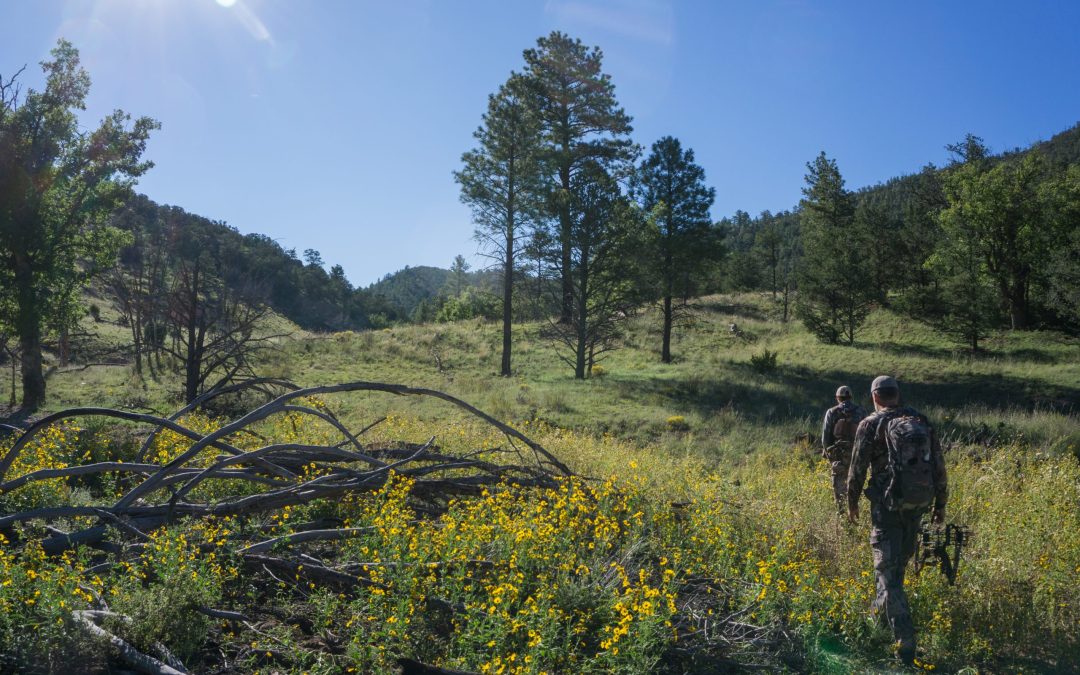
The waiting is over. Camps are set, hunters are arriving, and the country is finally doing what we have spent all summer talking about.
Read More →
Everyone wants to hunt the rut. Bulls screaming, coming to a call, making mistakes they would never make in October. It is the elk hunting that fills videos…
Read More →
July is the month elk season stops being an abstraction. Ninety days is close enough that anything still undone is now a genuine problem, and far enough out…
Read More →
Ready to Go?
Tags are limited and dates fill fast. Let's get your season on the calendar.
Book Your Hunt → or call (575) 315-6107