 LOH OutfittersSouthern New Mexico
LOH OutfittersSouthern New Mexico
LOH OutfittersSouthern New Mexico
Drawing an elk tag is one of the most exciting moments in any hunter’s year. Whether it’s your first tag or one you’ve been chasing for years, the feeling is the same - anticipation, excitement, and the realization that your hunt is now real.
But here’s the truth that experienced hunters understand: drawing the tag is just the beginning. What you do in the days and weeks immediately after results are released will have a direct impact on how your hunt unfolds.
The biggest mistake hunters make is celebrating the draw… and then doing nothing for weeks. By the time they start preparing, they’re already behind.
If you want to turn your tag into a successful hunt, preparation starts now.
If you want help planning your New Mexico elk hunt the right way from the beginning, you can start that conversation here: https://www.lohoutfitters.com/contact-us.
The first thing you should do after drawing is get clarity on your hunt. Know your unit, your season dates, weapon type, and any restrictions that apply. Too many hunters wait too long to fully understand what they drew.
This is also the time to make key decisions:
The earlier you define your approach, the more focused your preparation becomes.
Most elk hunts are won or lost long before opening day. Once you draw, you should immediately build a timeline that carries you through the next 3-6 months.
Break your preparation into phases:
Hunters who treat preparation like a process - not a scramble - arrive in elk country ready instead of rushed.
If there’s one thing hunters consistently underestimate, it’s the physical demand of elk hunting. Steep terrain, elevation, and long days can expose even experienced hunters if they haven’t prepared.
The key is to start early and stay consistent.
Focus on:
You don’t need to become an elite athlete - but you do need to be durable. Starting now gives you the time to build that durability the right way.
After drawing your tag, your weapon should become part of your daily or weekly routine. Confidence under pressure doesn’t happen by accident - it comes from repetition.
Start by focusing on fundamentals:
As the season approaches, shift into more realistic scenarios:
When the moment comes, your preparation should remove doubt - not create it.
Gear problems don’t show up when it’s convenient - they show up when you’re deep in the hunt. That’s why serious hunters start testing gear immediately after drawing.
Key areas to focus on:
The goal is simple: eliminate surprises before the hunt begins.
Even if you live far from New Mexico, you can begin learning your hunt area immediately. Mapping tools, satellite imagery, and research can give you a major advantage before you ever step foot in the unit.
Look for:
The more familiar you are before arrival, the more effective your decisions will be in the field.
Drawing a tag creates excitement - but it can also create unrealistic expectations. Not every day will be action-packed. Not every stalk will work. Not every hunt ends with a punched tag.
Setting realistic expectations early allows you to:
The hunters who succeed most often are the ones who remain consistent - not emotional - when the hunt gets tough.
One of the biggest decisions you’ll make after drawing a tag is whether to go fully DIY or work with experienced guides.
Guided hunts don’t remove the challenge - but they remove years of trial and error. They help you:
If you want to talk through your options and make a smart plan for your hunt, you can start here.
Drawing an elk tag is exciting - but it’s only the first step. The hunters who make the most of that opportunity are the ones who act immediately.
They plan early. They train consistently. They prepare intentionally. And when the season arrives, they’re not hoping things go well - they’re ready for them to.
If you just drew a tag, don’t wait.
Your hunt has already started.
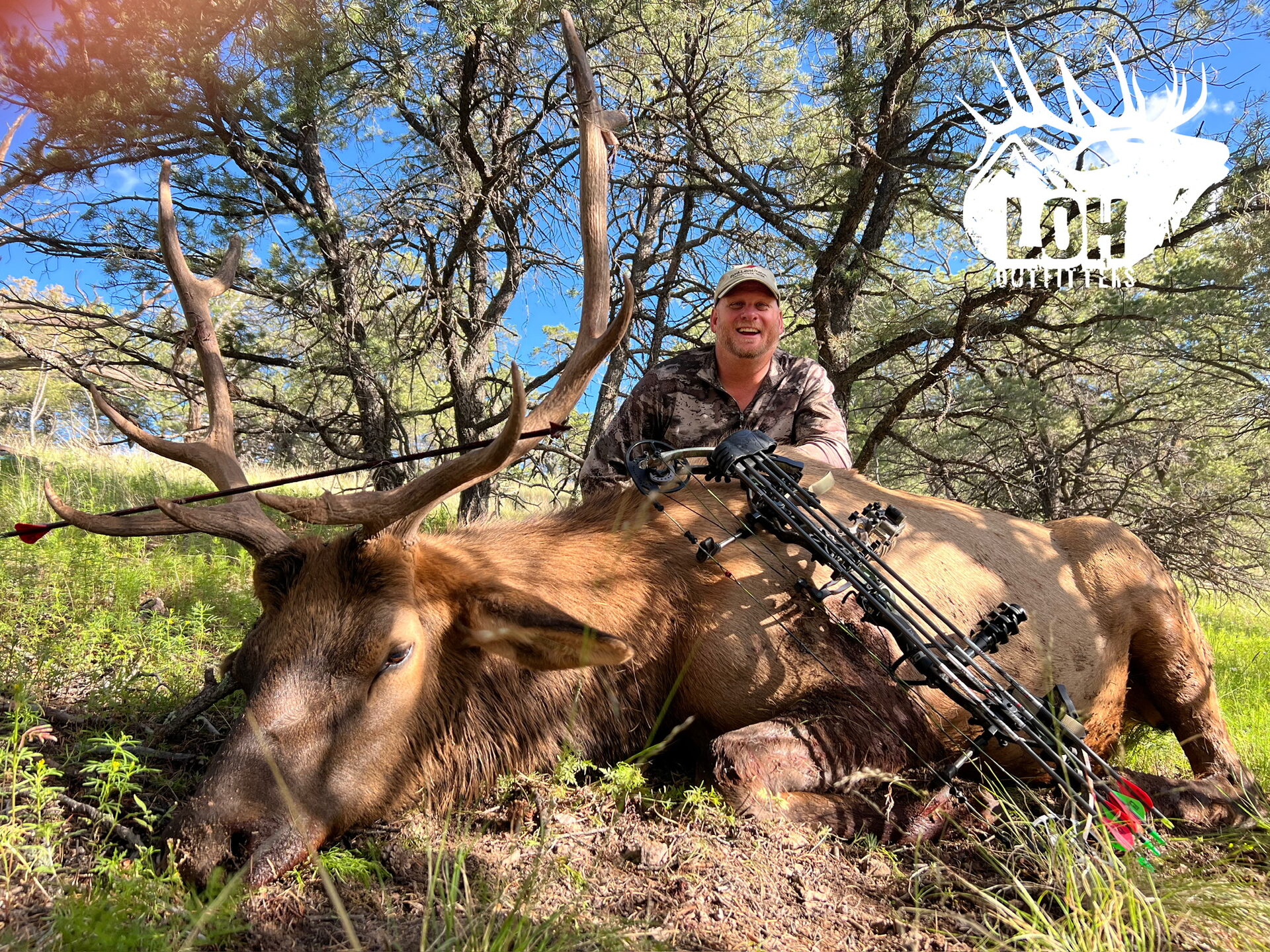
More elk hunt codes run this block than any other in the season. The rut is over, the country is crowded, and here is how to hunt it well anyway.
Read More →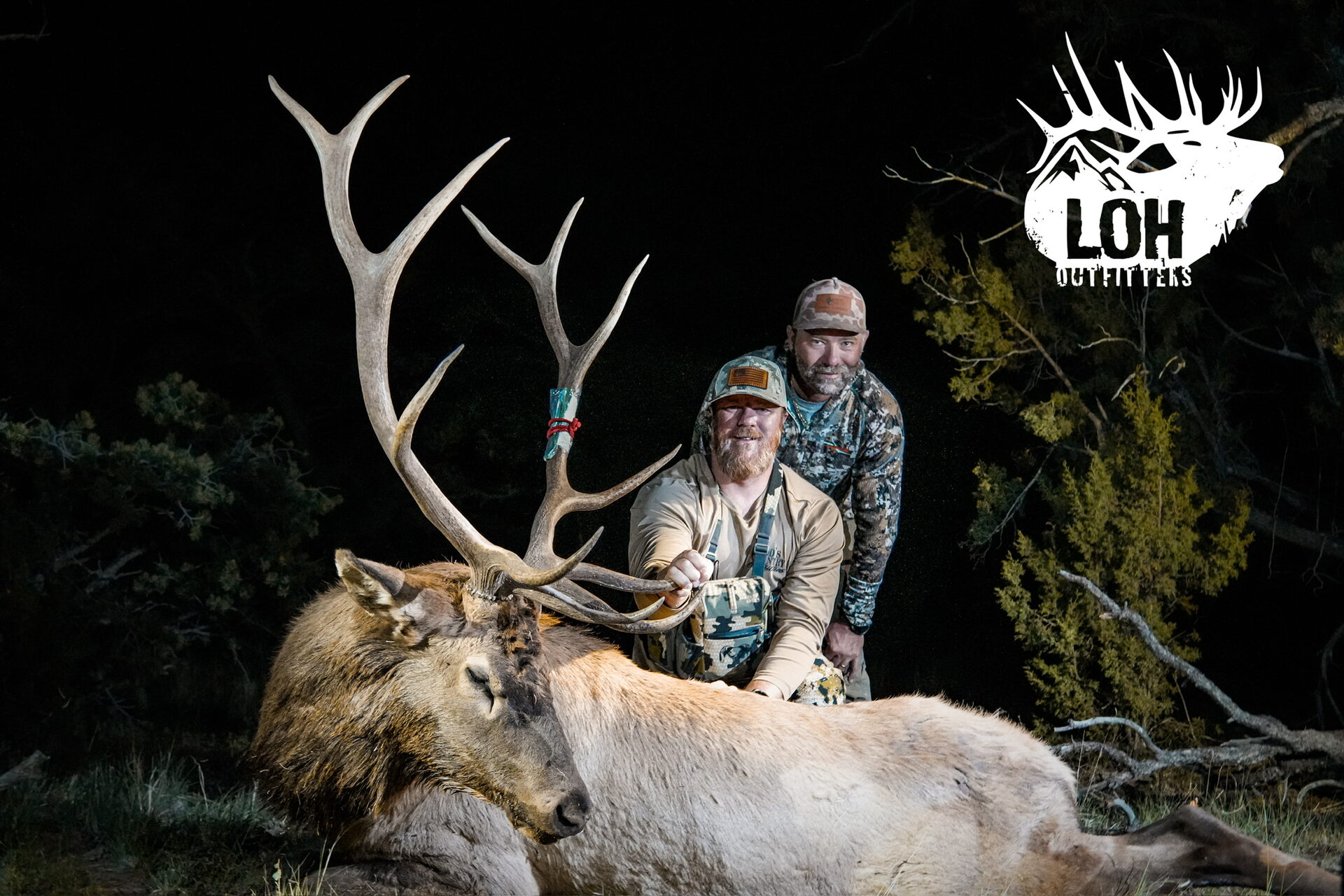
Some of the best elk country in New Mexico has no rifle season at all. That restriction is exactly why those units still produce the bulls they do.
Read More →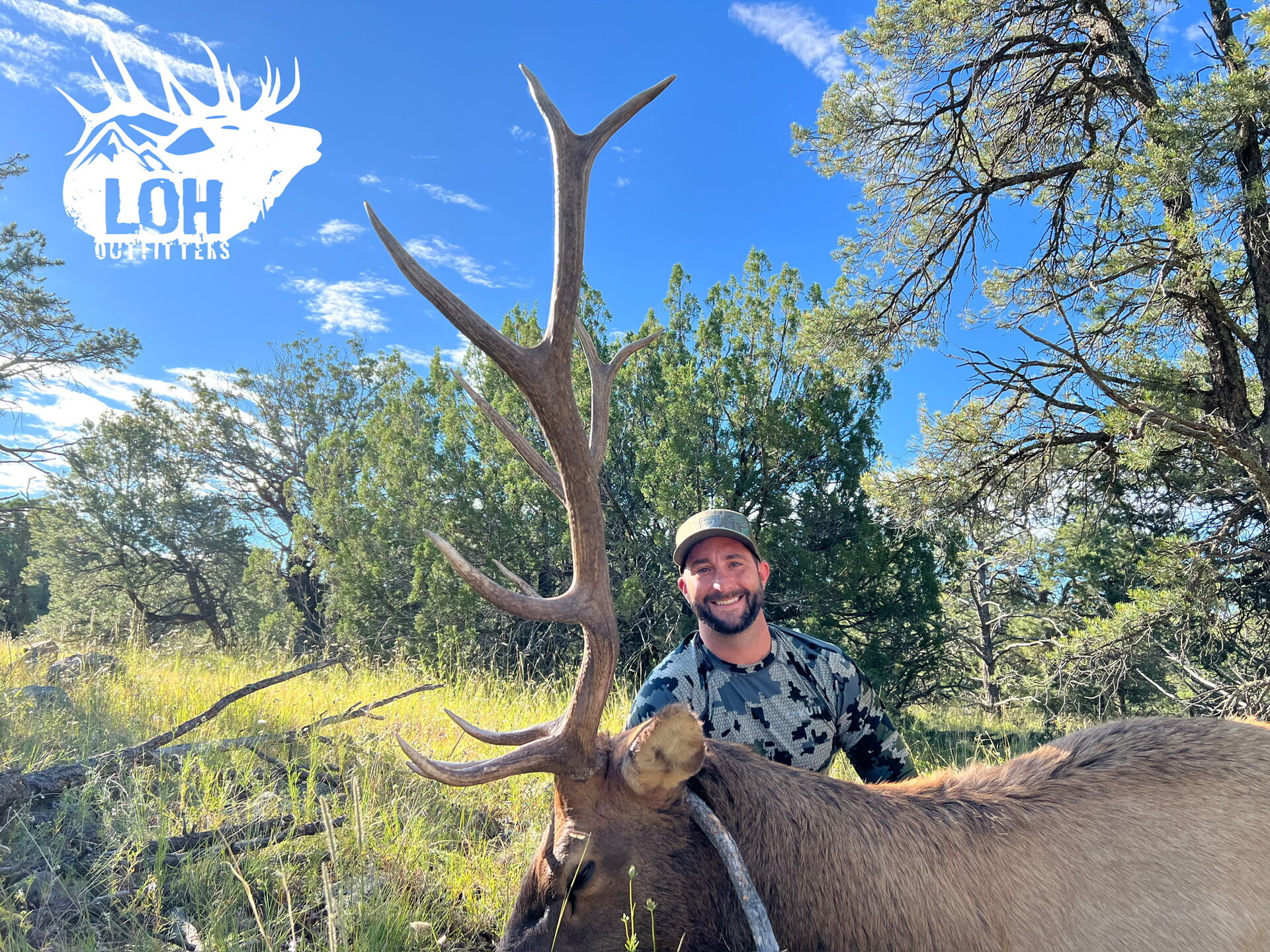
Five days, fixed dates, tied to a unit and a weapon. It catches out-of-state hunters off guard, and it is a big part of why the hunting here stays good.
Read More →
Ready to Go?
Tags are limited and dates fill fast. Let's get your season on the calendar.
Book Your Hunt → or call (575) 315-6107