 LOH OutfittersSouthern New Mexico
LOH OutfittersSouthern New Mexico
LOH OutfittersSouthern New Mexico
Most hunters focus on what happens during shooting light.
The bugle at first light. The long hike into a basin. The final approach when wind direction finally cooperates.
But experienced elk hunters understand something that first-timers often overlook: what happens after the hunt directly impacts what happens the next day.
On a multi-day New Mexico elk hunt, proper rest and recovery are not luxuries. They are performance factors.
Western elk country does not forgive poor conditioning or lack of sleep.
Depending on the unit and season, you may experience:
Even if daily mileage is moderate, the cumulative strain over five to seven days adds up quickly.
Without structured recovery, fatigue builds. When fatigue builds, performance drops.
Elk hunts begin early. Often before daylight. Late nights around camp might feel traditional, but consistent sleep is far more valuable.
Quality sleep improves:
A missed opportunity on day four of a hunt is often tied to cumulative fatigue - not bad luck.
Calorie burn during elk season is significant. Many hunters underestimate how much fuel they are burning while hiking and climbing at elevation.
Proper recovery includes:
Undereating or underhydrating for multiple days leads to slower recovery and decreased focus.
Recovery is not only physical. It is mental.
After a long day in elk country, having a structured camp environment allows you to:
Disorganization creates stress. Stress reduces clarity. Clarity is essential in elk hunting.
Minor aches and foot fatigue are common during multi-day hunts.
Proper recovery habits include:
Ignoring small issues early often leads to larger problems by the final days of a hunt.
Not every day in elk country ends with a filled tag. Some days are quiet. Some stalks fall apart due to wind shifts or pressured bulls.
Recovery includes a mental reset.
Structured evening strategy sessions allow hunters to:
Carrying frustration from one day into the next affects decision-making.
Where you stay during a guided elk hunt influences recovery directly.
Quality lodging should provide:
This is not about luxury. It is about preparation and performance.
A hunter who sleeps well, eats properly, and maintains gear discipline enters each morning sharper than one who does not.
Fatigue affects fine motor control and composure.
When a bull finally presents a shot opportunity, whether rifle or archery, you need:
Those skills degrade when exhaustion sets in.
Many elk are harvested on the final days of a hunt. Bulls shift patterns. Pressure changes movement. Hunters adapt.
The ability to stay strong physically and mentally through day five, six, or seven often separates success from unfinished opportunity.
Recovery throughout the week makes those final days productive instead of draining.
Proper rest and recovery do not happen accidentally. They should be part of your hunt plan from the beginning.
That includes:
Elk hunting rewards consistency. Recovery fuels consistency.
If you are planning a guided New Mexico elk hunt, understand that performance in the field is directly tied to how well you recover after each day.
A properly structured hunt environment supports recovery, clarity, and preparation for the next opportunity.
Contact LOH Outfitters to discuss how hunt structure, lodging, and preparation come together to create a complete elk hunting experience.
Success is not just about what happens during shooting light. It is built in the hours that follow.
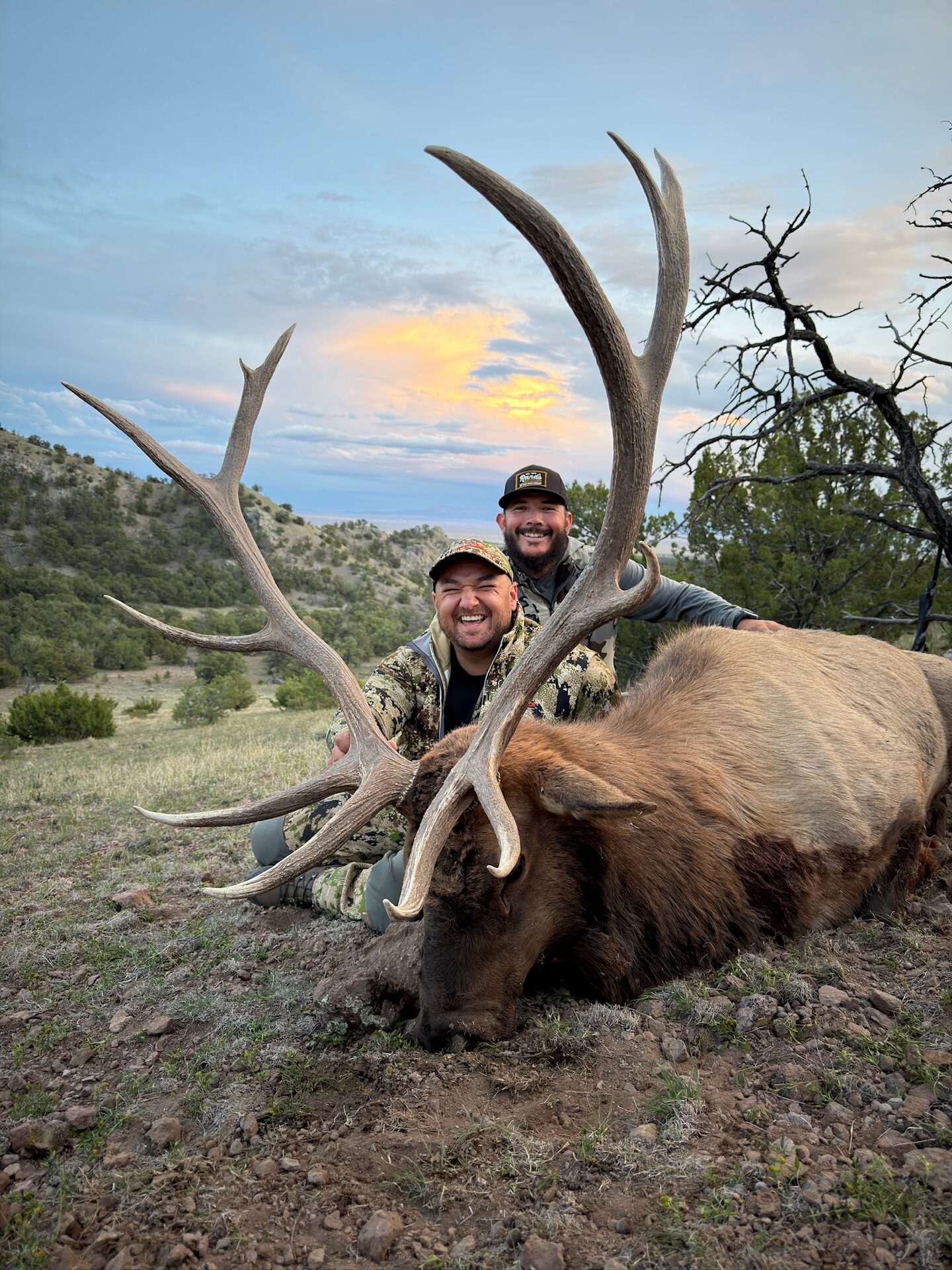
Shooting hours run to a half hour after sunset. That final stretch is some of the most productive time of the day, and most hunters are already walking out.
Read More →
The shot is the part hunters rehearse for months. What happens in the two hours afterward is the part that determines whether you take home meat worth…
Read More →
Hunters preparing for a western hunt tend to pack for cold. It is what the photographs show: frost on the grass, breath in the air, heavy layers on a ridge…
Read More →
Ready to Go?
Tags are limited and dates fill fast. Let's get your season on the calendar.
Book Your Hunt → or call (575) 315-6107